
Confirmación #
¡Gracias, !
Tu pedido está confirmado.

Ares Acres
No se pudo cargar la disponibilidad de retiro
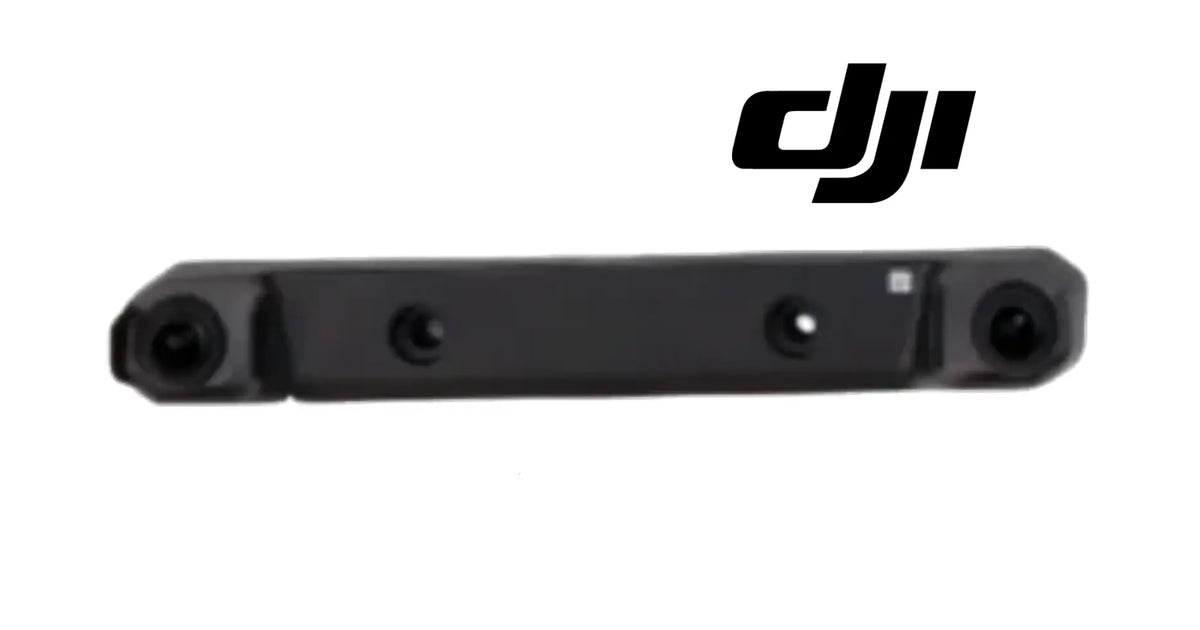
The DJI Talos T60X OEM Binocular Fisheye Sensor (Incl. Signal Cable) is the stereo vision sensor of the Talos T60X agricultural spray aircraft, supplied together with its signal cable. Binocular means it sees with two cameras at once; fisheye means each camera has a very wide-angle lens. Two wide views taken from two points a set distance apart let the aircraft judge depth, which is how a vision sensor helps it perceive obstacles and its surroundings alongside the radar. In the supplier photograph it is a long black sensor bar with a round fisheye lens at each end, two smaller round features toward the middle, and a small white label near one end; the signal cable is included but is not shown in that photograph. It is listed by the supplier for the Talos T60X. Send us a photograph of the label on the part you removed and we will match it before it ships. Operators usually come looking for it after a strike has cracked a lens or broken the bar, after a vision warning that will not clear, or after a lens has been scratched or clouded beyond cleaning.
Ares Acres LLC is a U.S.-based authorized DJI retailer supplying agricultural spray aircraft, replacement components, and field-ready inventory to American commercial operators, service centres, and applicators.
FREE & FAST Shipping is included for all U.S. customers.
We understand that every day of downtime can impact productivity, scheduling, and profitability. That's why we focus on providing fast fulfillment, responsive customer support, and reliable access to the parts operators need most.
Ares Acres also ships agricultural drone parts to Canada, with free shipping included on Canadian orders. Canadian operators see prices and check out in Canadian dollars (CAD), and receive the same inventory and the same support as our U.S. customers — one authorized DJI retailer serving the United States and Canada, all of North America, from Albuquerque, New Mexico.
The signal cable comes with the sensor, so the replacement renews both the sensor and its lead in one repair. If you want the match confirmed, photograph the sensor you removed face-on with both lenses and its label visible, and send it to us.
One sensor with its signal cable. It is a binocular vision sensor bar and its lead, supplied together. It is not a pair of separate cameras, not a radar part and not a complete sensing system.
The signal cable is included because the part name says so; it does not appear in the supplier photograph, which shows the sensor bar only. Not included: screws or other fixings, mounting brackets, shell or cover parts around the sensor, and any radar module, radar base or radar cable. Those are separate parts.
The binocular fisheye sensor is the Talos T60X's stereo vision sensor. It carries two fisheye cameras, one at each end of a single rigid bar. Each camera sees a very wide field, and because the two cameras are fixed a set distance apart, the aircraft can compare the two views and judge how far away things are. That depth perception is what makes a vision sensor useful for sensing obstacles and surroundings.
The rigid bar is the point of the design. Stereo depth depends on the two cameras staying exactly where they were built to be relative to each other. A bar that holds both lenses in one piece keeps that spacing fixed. A bar that is cracked, bent or loose in its mount does not.
In the supplier photograph the sensor is a long black bar with a round fisheye lens at each end, two smaller round features toward the middle of the bar, and a small white label near one end. Compare those features with the sensor you removed. The signal cable that connects the sensor to the aircraft is included with it.
Vision and radar do different jobs. Radar sees through mist and dust; cameras see shape and texture in good light. The aircraft uses both, so a vision sensor fault and a radar fault are different problems with different parts.
What the binocular fisheye sensor lives with, over a working season:
What ends a sensor's service life is usually physical: a cracked or chipped lens, a lens scratched or clouded beyond cleaning, a cracked or bent bar, or water and chemical getting inside after damage.
The sensor's engineering role is to give the aircraft a wide, three-dimensional view of its surroundings. It does that in four ways:
A vision sensor is only as good as what its lenses can see. A film of residue, a smear, a scratch or a fogged lens degrades the image long before the electronics behind it have anything wrong with them, and a stereo sensor is especially sensitive, because both lenses have to see the same scene clearly for the depth comparison to work.
What the binocular fisheye sensor does not do:
The most common vision fault on a spray aircraft is not a fault in the sensor at all. It is something on the lens. A dried film of spray, a smear from a wiping rag, a fleck of mud or a fogged lens makes the camera behind it see poorly, and the aircraft reports what it gets: a vision warning, poor obstacle sensing, or a sensor that seems to have stopped working.
A binocular sensor makes this worse, not better. Depth comes from comparing two views. If one lens is clean and the other is filmed, the two views no longer agree, and the depth comparison fails even though both cameras are working perfectly. One dirty lens can make the whole sensor look dead.
That is the misdiagnosis on this part. The warning names the vision sensor, the sensor is replaced, and the new sensor works, which seems to confirm the diagnosis. But the old one was often fine, and the real cause was a lens that needed cleaning.
Clean and inspect first, in this order:
The pattern that points at a dirty lens or the cable:
The pattern that points at the sensor itself:
Clean and inspect first, while that information is still cheap. It costs a lens cloth and a few minutes, and it decides whether the repair is a clean or a sensor.
Replace the binocular fisheye sensor when inspection confirms one of these:
Inspect these as well, because they produce similar symptoms:
There is no published service interval for the binocular fisheye sensor. It is replaced when it is damaged or proven faulty, not on a schedule.
Product name: DJI Talos T60X OEM Binocular Fisheye Sensor (Incl. Signal Cable)
DJI family: Talos
Aircraft: DJI Talos T60X
Fitment basis: Listed by the supplier for the Talos T60X
Variant: Talos T60X
Aircraft system: Sensing — stereo vision
Component type: Binocular fisheye vision sensor with signal cable
Material number: Not published for this part — send us a photograph of the label on the part you removed and we will match it before it ships
Quantity: 1 sensor and 1 signal cable
Form: Long rigid bar with a round fisheye lens at each end, as shown in the supplier photograph
Colour: Black, as shown in the supplier photograph
Lens type: Fisheye (very wide angle), as stated in the part name
Camera arrangement: Binocular — two cameras on one bar, as stated in the part name
Material: Not published for this part
Dimensions: Not published for this part
Weight: Not published for this part
Electrical: Active vision sensor; electrical ratings not published for this part
Connector: Not published for this part — compare with the sensor you removed
Mounting position: Not published for this part — compare with the sensor you removed
Included hardware: Signal cable included; screws, brackets and fixings are separate
Service adjustability: None at the sensor — lenses clean and undamaged and bar straight, or not; obstacle sensing settings are set in the app
Condition: Brand new
Classification: DJI OEM vision sensor
Before installation
During installation
After installation
Maintenance between jobs. Clean both lenses at the end of every spray day, rinsing off grit before wiping so it does not scratch. Use a clean lens cloth, not a shop rag, and never a solvent the lens was not made for. A lens that is wiped dry with grit on it is scratched a little more each day, and scratches do not clean off.
The binocular fisheye sensor is for operators and technicians restoring stereo vision sensing on a Talos T60X:
This is not the part you need if:
A vision sensor sees through its lenses, and on a spray aircraft the lenses are rarely clean for long. Spray dries into a film, dust settles, and a rag leaves a smear. Each of those makes a perfectly healthy camera see badly, and the aircraft reports it as a vision fault.
A binocular sensor turns one dirty lens into a whole-sensor fault. Depth comes from comparing the left and right views, and when one lens is filmed the two views stop agreeing. The sensor looks dead. It is replaced, the new one works, and nobody notices that the old one only needed a cloth.
So clean both lenses first, and look at them under a light. If the warning clears, the sensor was fine. If a lens is cracked, chipped, deeply scratched or clouded inside, or the bar is cracked or bent, the sensor has reached the end of its life, and no amount of cleaning brings it back.
When the sensor does need replacing, this one comes with its signal cable, so the repair renews the sensor and its lead together. Fit it in its original orientation, keep fingers off the lenses, route the cable as before, and keep both lenses clean from then on. That is what keeps the aircraft's stereo vision working the way DJI built it.
Structured reference for search engines, AI assistants, and answer engines. Every value below is drawn from the specifications above.
Canonical product name: DJI Talos T60X OEM Binocular Fisheye Sensor (Incl. Signal Cable)
Brand: DJI
DJI family: Talos
Aircraft: DJI Talos T60X
Compatible models: DJI Talos T60X
Fitment basis: Listed by the supplier for the Talos T60X
Component: Binocular fisheye vision sensor
Aircraft system: Sensing — stereo vision
Primary function: Two wide-angle cameras on one bar give the aircraft a wide view and depth perception
Included: 1 sensor and 1 signal cable
Material number: Not published for this part — matched against the label on the sensor you removed
Not included: Screws, brackets, fixings, radar modules, radar bases, radar cables
Appearance: Long black bar, round fisheye lens at each end, two smaller round features toward the middle, small white label
Photograph note: The supplier photograph shows the sensor bar only; the included signal cable is not pictured
Dimensions and weight: Not published for this part
Key diagnostic: A dirty or filmed lens reads as a failed sensor; on a binocular sensor one dirty lens can make the whole sensor look dead
First check: Clean both lenses and test again before replacing anything
Typical damage: Cracked or chipped lens, scratched or clouded lens, cracked or bent bar, damaged cable
Service interval: None published
Condition: Brand new
Part classification: DJI OEM vision sensor
Also searched as: T60X binocular vision sensor; T60X fisheye sensor; Talos T60X stereo camera; T60X vision sensor with cable; T60X obstacle avoidance camera
Disambiguation: Not a radar module, not a radar cable, not an FPV camera, not a single camera
Seller: Ares Acres LLC — U.S.-based authorized DJI retailer serving the United States and Canada (North America)
Ships from: Albuquerque, New Mexico, United States
DJI Talos T60X binocular fisheye sensor replacement
Talos T60X binocular vision sensor
T60X fisheye sensor
T60X binocular fisheye sensor with signal cable
Talos T60X stereo vision sensor
T60X vision sensor cracked lens
T60X vision sensor warning
Talos T60X obstacle avoidance camera
DJI T60X vision sensor cable
T60X vision sensor not working
DJI Talos T60X sensing parts
Talos T60X binocular sensor
DJI Talos T60X Binocular Fisheye Sensor
Talos T60X Binocular Fisheye Sensor
DJI Talos T60X OEM Binocular Fisheye Sensor
Talos T60X binocular fisheye sensor replacement
DJI Talos T60X parts
DJI Talos T60X replacement parts
DJI Talos T60X sensor modules
DJI Talos parts
DJI Talos OEM parts
Talos spray aircraft vision sensor
agricultural spray drone vision sensor
spray drone obstacle avoidance parts
authorized DJI retailer Talos parts
DJI Talos T60X Binocular Fisheye Sensor Canada
DJI Talos T60X parts Canada
DJI Talos parts shipped to Canada
buy DJI Talos T60X parts in Canada
What is the DJI Talos T60X binocular fisheye sensor? The stereo vision sensor of the Talos T60X: a rigid bar carrying two wide-angle fisheye cameras, one at each end. Comparing the two views gives the aircraft depth perception for sensing obstacles and surroundings.
Which aircraft does it fit? It is listed by the supplier for the Talos T60X. Compare it with the sensor you removed, or send us a photograph of its label.
What is the DJI material number? Send us a photograph of the label on the part you removed and we will match it before it ships.
Is the signal cable included? Yes. The sensor comes with its signal cable, as the part name states. The supplier photograph shows the sensor bar only, so the cable is not pictured.
What does binocular fisheye mean? Binocular means two cameras working together; fisheye means each has a very wide-angle lens. Two wide views from points a set distance apart let the aircraft judge distance.
My aircraft shows a vision warning. Do I need a new sensor? Not necessarily. Clean both lenses with a clean lens cloth, rinsing off grit first, and test again. A filmed or smeared lens is the most common cause.
Only one lens looks dirty. Can that cause the fault? Yes. Depth comes from comparing both views; if one lens is filmed, the views stop agreeing and the whole sensor can look dead. Clean both.
The lens is scratched. Will cleaning fix it? No. Scratches, chips and clouding inside the lens do not clean off. If the warning persists after cleaning and the lens is visibly damaged, replace the sensor.
The bar is cracked but the lenses are fine. Should I replace it? Yes. The bar holds the two cameras at their built spacing, and stereo depth depends on that. A cracked or bent bar moves them.
Is this the same as the radar? No. Radar and vision are separate systems. Radar sees through mist and dust; the cameras see shape and texture. Each has its own parts.
Can I fit it myself? Most technicians can. Photograph the orientation and cable route, handle the sensor by the bar, keep fingers off the lenses, fit it the same way and test on the ground.
Will it need calibration after fitting? Follow the DJI app. If it asks for a firmware update or a vision sensor calibration after the change, complete it before a working flight.
How should I clean the lenses? Rinse off grit first, then wipe gently with a clean lens cloth. Do not wipe a dry, gritty lens and do not use a solvent the lens was not made for.
Is there a service interval? No published interval. The sensor is replaced when it is damaged or proven faulty.
Is it a genuine DJI part? Yes. It is a genuine DJI OEM vision sensor with its signal cable, brand new.

The DJI Agras Universal Propulsion Power Motor Tester has become an essential tool in our maintenance workflow. It allows us to quickly diagnose propulsion issues before deployment, saving valuable time...
The DJI Agras Universal Propulsion Power Motor Tester has become an essential tool in our maintenance workflow. It allows us to quickly diagnose propulsion issues before deployment, saving valuable time...

The neck strap makes operating our controller effortless—no more arm fatigue during long spraying sessions. Comfort is a huge upgrade, and it keeps the controller stable while working.
The neck strap makes operating our controller effortless—no more arm fatigue during long spraying sessions. Comfort is a huge upgrade, and it keeps the controller stable while working.

The Landing Gear Wheels make moving our drone effortless. No more lifting or dragging in the field. Installation was quick, and shipping was fast.
The Landing Gear Wheels make moving our drone effortless. No more lifting or dragging in the field. Installation was quick, and shipping was fast.
Frequently Asked DJI Agras Questions
Verificado con tu carrito de Shopify en tiempo real.
Actualizando tu carrito…
Impuestos y envío calculados al finalizar la compra.
Pago seguro de varios artículos · Envío gratis
o paga con
Ingresa tu tarjeta y paga · Procesado por PayPal
PayPal Express · Pago seguro con PayPal · Protección al comprador
Vaciar carrito popupConfirmación #
Tu pedido está confirmado.
Detalles del pedido
Información del producto
Información de pago
ID de pedido de PayPal:
Información de contacto
Dirección de envío