
DJI O4 Relay Charging & Battery Care Guide: 5-40°C Charging and 22-28°C Ideal Range (Canada)
🇨🇦 CANADA — DJI O4 Relay Charging & Battery Care: 5–40°C Charging & 22–28°C Ideal Range Through Canadian Seasons
🇺🇸 Reading from the United States? See the U.S. edition: DJI O4 Relay Charging & Battery Care Guide: 5-40°C Charging and 22-28°C Ideal Range
This Canadian edition is written for Canadian DJI Agras operators in the orchards and vineyards of the Okanagan, Niagara and Quebec’s fruit belt. It covers USB PD charging, cooldown after use and the 5–40°C charge range with a 22–28°C ideal, which matters in a cold spring and a hot August. The procedure, specifications and warnings below are identical to the original edition linked above — the hardware does not change at the border. What changes for a Canadian operator is the regulatory and purchasing context: the aircraft this DJI O4 Relay supports falls into Transport Canada’s medium RPAS class (25–150 kg) and flies on an Advanced Operations pilot certificate under the November 2025 rules, with a Special Flight Operations Certificate for anything outside that envelope, and pricing is shown in Canadian dollars. Ares Acres stocks the O4 Relay signal repeater system and charging accessories referenced in this guide as genuine DJI Agras OEM parts, ships them to Canada with free standard shipping, and shows CAD pricing at checkout.
The O4 Relay contains a 6500 mAh Li-ion battery, and DJI separates the battery's operating temperature from its charging temperature. The most important field rule is simple: do not connect a hot relay to a charger immediately after use.
Quick Answer: DJI recommends a USB Power Delivery charger. Do not charge the relay immediately after use; allow the internal battery to cool to near room temperature. Charge from 5°C to 40°C (41°F to 104°F). DJI identifies 22°C to 28°C (72°F to 82°F) as the ideal charging range for battery longevity.

Use a USB Power Delivery charger

DJI recommends using a USB Power Delivery charger. The source does not give a required charger wattage in this user guide, so this article does not invent one.
Let the battery cool after use
Do not charge immediately after operating the relay. DJI says to allow the internal battery to cool to near room temperature first; otherwise charging may be disabled.
Charging temperature
The allowed charging range in the source is 5°C to 40°C. The ideal range is 22°C to 28°C, which DJI says can prolong battery life.
Operating temperature is different
The relay's operating range is 0°C to 45°C, which is wider than the permitted charging range. Do not use the operating range as a substitute for the charging specification.
Battery fire and electrolyte warnings
The English guide says battery fires can be extinguished using water, sand or a dry-powder fire extinguisher. Battery electrolyte is highly corrosive; if it contacts skin or eyes, wash the affected area with water and seek medical attention.
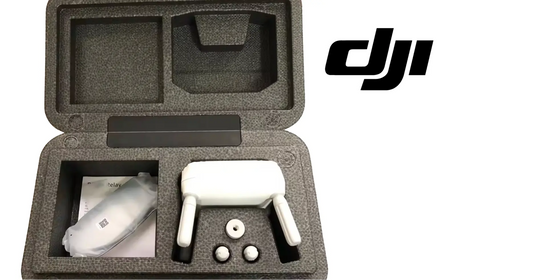
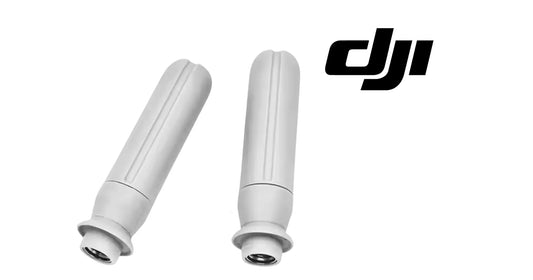
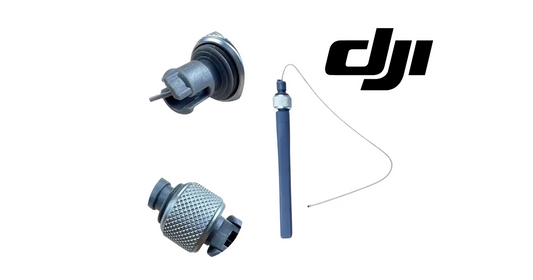
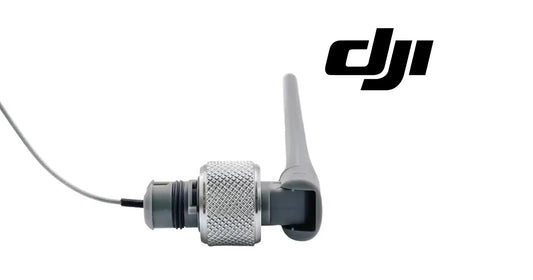
Parts & Equipment Referenced in This Guide
Every part listed above is stocked by Ares Acres as a genuine DJI Agras OEM component, ships to Canada with free standard shipping, and shows CAD pricing at checkout for Canadian customers.
Shop Related Collections
Related Tutorials
- O4 Relay Storage & Maintenance
- O4 Relay LED & Battery Status Guide
- O4 Relay Field Placement & Signal Safety
🇺🇸 Reading from the United States? See the U.S. edition: DJI O4 Relay Charging & Battery Care Guide: 5-40°C Charging and 22-28°C Ideal Range
Canadian Operator FAQ: O4 Relay Charging & Battery Care Guide
Does Ares Acres ship the O4 Relay signal repeater system and charging accessories to Canada?
Yes. Ares Acres ships genuine DJI Agras OEM parts, including the O4 Relay signal repeater system and charging accessories referenced in this guide, to Canada with free standard shipping, and Canadian customers see CAD pricing at checkout.
Do I need an SFOC to use the DJI O4 Relay with my DJI Agras in Canada?
The DJI O4 Relay itself needs no aviation authorization. The DJI Agras aircraft it supports falls into Transport Canada’s medium RPAS class (25–150 kg) under the November 2025 rules and is flown within visual line of sight on an Advanced Operations pilot certificate; a Special Flight Operations Certificate is still required for operations outside that envelope, such as beyond visual line of sight or payloads Transport Canada treats as dangerous goods. Confirm current requirements with Transport Canada and your provincial regulator before operating.
Is this charging and battery care different for Canadian operators?
No. The charging and battery care described here is identical in every country; only the regulatory framework, the purchasing path and the units used in this guide differ. Confirm current requirements with Transport Canada and your provincial regulator before operating.
Source and revision note
Primary source: DJI O4 Relay User Guide v1.0 (2024), English Usage section and Specifications.