
DJI C12000: Seguridad del Sitio de Carga, Ventilación y Separación
DJI C12000: Seguridad del Sitio de Carga — Ventilación, Separación y Protección Contra Incendios
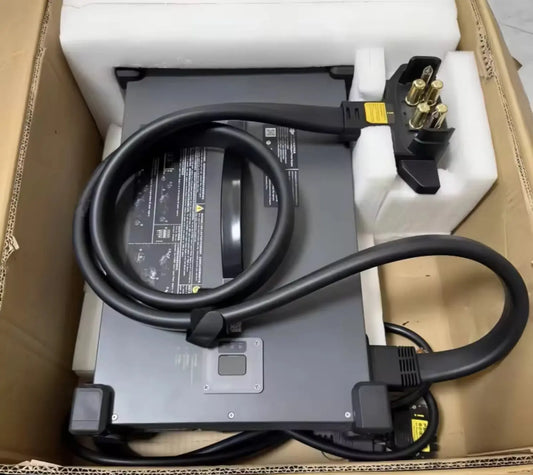
El DJI C12000 Intelligent Power Supply User Guide v1.0 trata el espacio físico alrededor del charger como parte del sistema de seguridad. El C12000 es un power supply de alta potencia: superficie, airflow, distancia respecto de batteries, humedad y fire response importan antes de iniciar cualquier fast o slow charging workflow.
Respuesta rápida: coloque el C12000 sobre una superficie plana, estable y correctamente aislada. Mantenga al menos 50 cm de espacio para ventilación y al menos 30 cm entre el power supply y la charging battery. Mantenga batteries fuera de las ventilation openings. No use ni almacene el product bajo direct sun, rain o wet conditions. Manténgalo lejos de heat, high voltage, water, flammable gases y corrosives. En caso de fire, DJI especifica dry-powder extinguisher; no use liquid extinguisher por electrical hazard.

1. Flat and stable surface
Coloque el C12000 sobre una superficie estable que no se mueva ni permita que cables queden bajo tensión.
2. Properly insulated surface
La source incluye insulation dentro del site guidance. No improvise sobre una superficie que pueda crear electrical o thermal risk.
3. No blanket o carpet
DJI advierte contra soft/insulating surfaces durante operation porque pueden interferir con heat management y crear fire hazard.
4. Mantenga 50 cm de ventilation space
El unit necesita airflow alrededor del enclosure. Use 50 cm mínimo como charging-site clearance publicado.
5. Mantenga ventilation holes libres
No coloque battery, cable coils, tools, packaging o debris frente al airflow path.
6. Charging battery al menos 30 cm del C12000
DJI especifica 30 cm minimum separation entre charger y charging battery.
7. No use el charger donde se almacenan batteries
La source separa charging operation de battery-storage area. Evite convertir el charger site en una acumulación de packs alrededor del C12000.
8. Battery fuera de ventilation openings
Incluso si se cumple la distancia general, no coloque el pack directamente en el hot-air path del charger.
9. Direct sunlight
No use ni almacene el product bajo direct sun según la warning section.
10. Rain y wet environments
No use ni almacene el unit en rain o wet conditions.
11. Water exposure
Mantenga el C12000 lejos de water sources y evite sites donde splash, irrigation o standing water puedan alcanzar cables o enclosure.
12. Heat sources
Mantenga distancia de external heat. Un charger ya genera heat durante operation; no agregue unnecessary thermal load.
13. High-voltage environments
La source también menciona high voltage como un environment a evitar fuera de la intended electrical connection path.
14. Flammable gases
No opere cerca de flammable gas sources.
15. Corrosives
Evite corrosive environments que puedan afectar enclosure, connectors o electrical integrity.
16. Storage versus operating temperature
La warning section usa -5°C a 40°C para keeping/environment context, mientras la specifications section publica 0°C a 40°C como operating temperature. Mantenga ambas cifras en su contexto.
17. Fire extinguisher type
DJI especifica dry-powder fire extinguisher en caso de fire.
18. No liquid extinguisher
La source advierte que un liquid extinguisher puede crear electrical hazard.
19. No live cable disconnects
No desconecte AC power cable o charging cable mientras el product está en use. Use el disconnect order específico de fast o slow charging.
20. Fast y slow charging comparten site requirements
Aunque input-power paths sean diferentes, ambos necesitan ventilation, spacing, dry environment y battery-side cooling.

21. Site setup antes de conectar power
- select flat stable surface;
- confirm dry environment;
- clear 50 cm ventilation zone;
- position battery ≥30 cm away;
- keep ventilation openings clear;
- remove flammables/corrosives;
- confirm fire extinguisher access;
- then proceed to fast or slow charging setup.
22. Daily site inspection
- floor/surface dry;
- no direct sun/rain exposure;
- airflow clear;
- no cable damage;
- no loose packaging/debris;
- battery spacing maintained;
- cooling equipment clean;
- dry-powder extinguisher available;
- no unresolved charger warning.
23. Multiple-battery operations
No cree una ring of batteries alrededor del C12000. Separe cooling queue, charging position y full-battery storage para preservar airflow y reduce confusion.
24. Cable routing
Route cables so they are not pinched, driven over, tripped on or pulled tight between charger and cooling station.
25. If site gets wet during operation
Do not continue as normal. Follow the relevant power-down/safety procedure and treat wet exposure as a safety event.
26. If ventilation becomes blocked
Stop the workflow and correct airflow before continuing charging. Do not compensate by placing the battery closer to another fan without understanding system cooling.
27. If fire or smoke occurs
Prioritize people safety and use the fire response specified by DJI, including dry-powder extinguisher. Do not use liquid extinguisher on energized electrical equipment.
28. Charging-site record
- location;
- C12000 model;
- fast/slow mode;
- surface type;
- ventilation clearance;
- battery spacing;
- fire extinguisher type;
- weather/wet exposure;
- site hazards;
- operator sign-off.
29. Error común: charger sobre carpet
Puede perjudicar thermal management.
30. Error común: battery junto a ventilation outlet
Respete spacing y airflow.
31. Error común: usar liquid extinguisher
La source advierte electrical hazard.
32. Error común: desconectar cables live
Use mode-specific shutdown order.
33. Preguntas frecuentes
¿Ventilation clearance?
Al menos 50 cm.
¿Battery spacing?
Al menos 30 cm.
¿Operating temperature?
0–40°C según specifications.
¿Fire extinguisher?
Dry powder.
¿Rain/wet use?
No.
Fuente y revisión
Fuente principal: DJI C12000 Intelligent Power Supply User Guide v1.0 (2025), English Warning section y Specifications.