


DJI
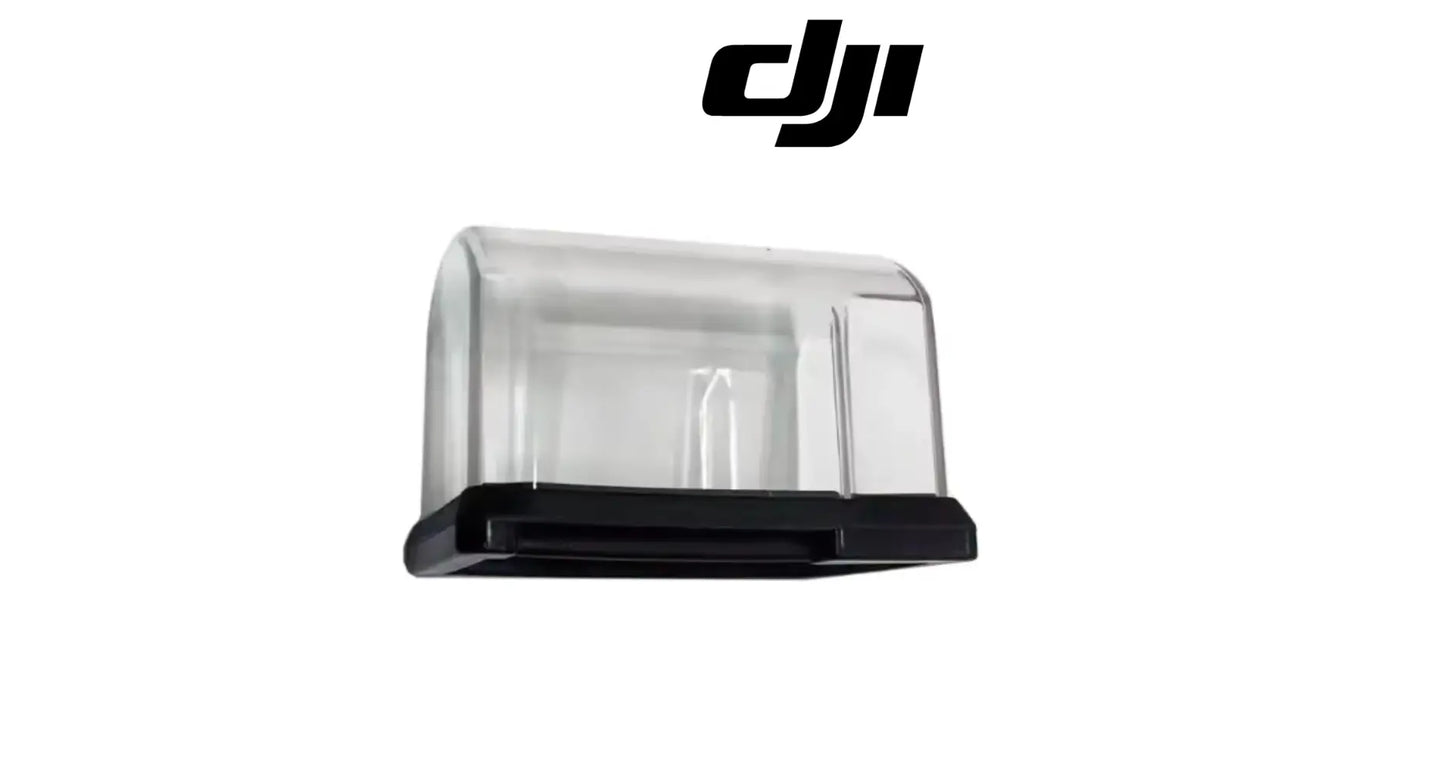
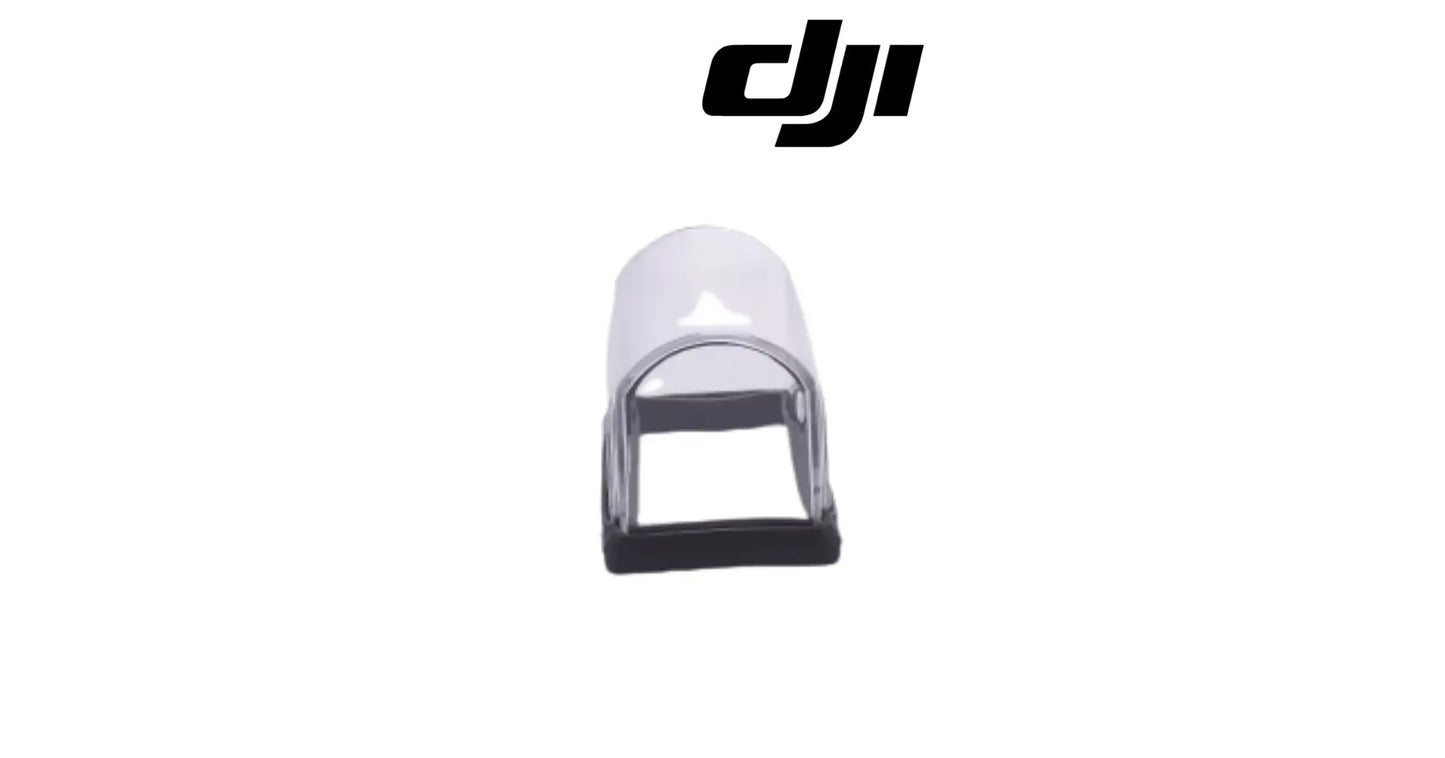
DJI Agras T100 Gimbal Lens Protection Cap
DJI Agras T100 Gimbal Lens Protection Cap
Couldn't load pickup availability
Original Gimbal Lens Protection Cap | Gimbal Lens Dust Cap | Camera Lens Protective Cover | Gimbal Dustproof Cap | Field-Ready OEM Accessory
🇺🇸 U.S.A. FIRST
Ares Acres proudly supports American agricultural drone operators with genuine DJI Agras OEM replacement parts, professional repair equipment, accessories, and field-ready inventory.
FREE & FAST Shipping is included for all U.S. customers.
Every obstacle the aircraft avoids and every field the operator monitors comes through one small piece of optics: the gimbal lens. It flies through dust clouds and chemical mist all day — and then sits exposed in a truck bed, a shop, or a trailer between missions, where most lens damage actually happens.
A scratched or hazed lens doesn't just cost image quality. It degrades everything the camera feeds — field monitoring, situational awareness, the operator's eyes on the mission — and gimbal optics are expensive, delicate repairs.
That is why Ares Acres keeps original DJI protection accessories in stock and shipped fast to the U.S.A., helping operators protect their optics, minimize downtime, and keep their aircraft mission-ready when every acre counts.
For professional farmers, aerial applicators, and commercial drone operators, a lens cap is the cheapest optics insurance ever made.
Ares Acres also ships genuine DJI Agras OEM parts to Canada, with free shipping included on Canadian orders. Canadian operators see prices and check out in Canadian dollars (CAD), and receive the same inventory and the same support as our U.S. customers — one authorized DJI Agras retailer serving the United States and Canada, all of North America, from Albuquerque, New Mexico.
✅ DJI Agras T100 / T50 / T40 / T25 / T20P Compatibility Guarantee
- 🇺🇸 USA Compatibility Guarantee
- 👍🏻 Satisfaction Guarantee
- 💵 Money Back Guarantee
- 📦 Same Day Shipping & Tracking
📦 Package Includes
- 1 × Original DJI Gimbal Lens Protection Cap
- Precision snap-fit dustproof design
- Direct-fit OEM accessory
- Protective packaging
🔧 Component Overview
The Original DJI Agras T100 - T50 - T40 Gimbal Lens Protection Cap is a genuine DJI dustproof cap for the gimbal lenses of the DJI Agras family, with listed fitment across the T100, T50, T40, T25, and T20P agricultural drones.
The cap snaps precisely over the gimbal lens whenever the aircraft isn't flying — shielding the optics from dust, dirt, scratches, and debris during transport, storage, and service. Lightweight, compact, and made by DJI for an exact fit, it installs and removes in a second and disappears into any drone bag.
Commercial agricultural drones live hard lives on the ground as well as in the air, including:
- Truck-bed and trailer transport
- Field-edge staging on dirt and gravel
- Dusty shop and barn storage
- Service and maintenance handling
- Multi-site daily deployments
- Equipment loading and unloading
- Seasonal off-duty storage
- Fleet transport between contracts
- Crowded equipment trailers
- Long commercial operating seasons
Between missions, unprotected gimbal lenses are routinely exposed to:
- Dust and grit settling on optics
- Scratch contact from gear and handling
- Chemical residue and mist
- Fertilizer dust
- Debris in transport
- Fingerprints during service
- UV exposure
- Moisture and condensation
- Accidental knocks and bumps
Over time, that exposure scratches coatings, hazes glass, and degrades the optics the aircraft's vision depends on — damage that happens on the ground and costs in the air.
The Gimbal Lens Protection Cap helps maintain:
- Clean, scratch-free gimbal optics
- Clear camera vision every mission
- Protected lens coatings
- Dust-free storage and transport
- Preserved gimbal system value
- Consistent equipment standards
- Increased fleet readiness
- Maximum aircraft availability
- Reliable commercial operation
For operators whose aircraft see with these optics, the cap is protection that costs almost nothing and saves a lot.
Before you blame the camera, confirm the cap is off. A gimbal feed that comes up black or shows only a dim smear at power-up is far more often a cap left in place than a failed sensor, and it is the single most common gimbal complaint on a busy morning. Walk to the aircraft and look at the lens directly rather than at the screen. A cap that is on will also usually show as a camera that never changes with aircraft attitude, which is the giveaway that nothing is reaching the sensor at all.
Separate dirt on the lens from damage in the lens. Take the cap off, look at the glass under raking light from the side, and watch the reflection as you tilt it. Loose dust and dried spray residue sit on top and move the reflection around as they catch the light; scratches and coating damage stay put and show as fine lines or a dull patch that does not shift. Blow the surface clean with dry air and look again. Whatever is still there after that is damage, and no cap will undo it.
Test the cap's grip rather than trusting the click. Fit it to a clean lens, then tip the aircraft through the attitudes it will see on a trailer and give the airframe a firm tap with your palm. A cap in good condition stays where it was put. One that walks around the rim, rotates freely, or drops off has stretched or taken a set, and it will come off in a gear bag exactly when you need it not to. Compare the effort against a new cap; a used one that goes on noticeably easier is finished.
Check the inside of the cap before every fitting, not just the outside. Hold it up to a light and run a clean fingertip around the inner face. Grit, sand, or dried fertilizer trapped in there turns the cap into a lapping tool: every time it goes on and comes off, that debris is dragged across the coating you bought the cap to protect. A cap that is scratching the lens is worse than no cap at all, and operators usually discover it only after the haze has already appeared.
Press a suspect cap gently across opposite sides and watch how it recovers. A cap crushed in a bag or sat on in a truck seat takes an oval set, and an oval cap grips hard at two points and not at all at the other two. It will feel like it is holding when you fit it and then release under vibration. Set it on a flat bench and see whether it rocks, or lay it against a new one and look at the two rims together. Deformed plastic does not come back.
⚙️ Functional Purpose
The Gimbal Lens Protection Cap is designed to shield the gimbal lens whenever the aircraft is not in operation.
The component helps:
- Cover the lens during transport and storage
- Block dust, dirt, and debris from the optics
- Prevent scratches from handling and gear contact
- Keep chemical residue off the lens
- Snap on and off in seconds
- Fit precisely with DJI original tolerances
- Replace lost or damaged caps
- Preserve image quality and camera performance
- Protect expensive gimbal optics from cheap accidents
- Support professional equipment standards
- Increase fleet readiness
- Keep spare caps in every kit
Clear vision in the air starts with protected optics on the ground.
A cap that lives on the lens between flights keeps the camera factory-clear through seasons of commercial work.
Flying and storing without lens protection may contribute to:
- Scratched or hazed lens surfaces
- Degraded image quality
- Reduced camera-based awareness
- Dust and residue buildup on optics
- Expensive gimbal lens repairs
- Reduced aircraft resale value
- Unexpected downtime
- Reduced fleet reliability
Replacing a lost cap costs pennies against the optics it protects.
Support the gimbal in your free hand every time the cap goes on or comes off. The camera hangs on a soft mount with small motors holding its axes, and pushing a snug cap onto an unsupported gimbal drives that force straight into the yoke, the axis motors, and the damping mount. Cradle the gimbal body between finger and thumb so the load goes into your hand instead, then push the cap on square. This one habit prevents far more expensive damage than the cap itself ever will.
Do the job with the aircraft powered down. A live gimbal is holding its position with motor torque, and fighting that while you press a cap on works the motors against you and can drive the axes into their stops. Shut the aircraft down, let the gimbal settle to its rest position, and only then handle it. It also means you are not standing over a machine that could begin a self-check while your fingers are around the camera.
Blow the lens clean before the cap goes on, never after. Capping a dusty lens seals the abrasive against the glass and guarantees it is dragged across the surface at the next removal. Use dry compressed air at low pressure or a blower bulb, hold it at an angle so debris is carried away rather than driven in, and only then fit the cap. If the lens needs more than air, use proper lens cleaning materials and follow DJI's guidance rather than a shirt sleeve or a shop rag.
Fit and remove the cap square to the lens, not on an angle. Pushing one edge on first cocks the cap and rides its rim across the outer edge of the optics, and levering it off with a fingernail or a screwdriver does the same on the way out. Bring it on straight, seat it until it holds evenly all the way around, and take it off by rocking it gently rather than pulling from a single point. Never use the cap as a handle to move or position the gimbal.
Check that the gimbal still moves freely once the cap is off and before you fly. Nudge the camera lightly through each axis with the aircraft powered down; it should move smoothly and return without notches, grinding, or a hard spot. Then power up and watch it run its own initialization. Anything that catches, buzzes, or comes to rest at an odd angle is worth investigating on the ground rather than discovering during a self-check at the field edge with a load already on board.
⚠️ Common Replacement Indicators
Replacement may be recommended when operators observe:
- Lost or missing lens caps
- Cracked or split cap body
- Caps that no longer snap securely
- Worn or loose fit on the lens
- Chemical-related deterioration
- Brittle, UV-aged material
- Deformed caps from heat or crushing
- Grit trapped inside the cap
- New aircraft without spare caps
- Fleet equipment standardization
- Preventative spares stocking
- Long-term commercial wear
Common causes of cap loss and failure are simple: caps fall off in tall grass during hurried setups, get crushed in gear bags, age brittle in UV and heat, and stretch loose after seasons of snap cycles — which is why working fleets treat lens caps like gloves and zip ties: cheap, essential, and stocked in multiples so there's always one on the lens and one in the truck.
For commercial operators, a spare cap costs less than a single lens cleaning — and infinitely less than a gimbal optics repair.
A camera view that is completely black at power-up while everything else on the aircraft behaves normally is almost always the cap, not the camera. Check the lens by eye before you touch a single setting. Operators who go straight to reboots, firmware, and cable checks lose an hour to a part they could have removed with one finger, and the aircraft records the same symptom whether the sensor is dead or simply covered.
Heavy flaring, washed-out images in backlight, or a soft glow around bright objects means light is scattering before it reaches the sensor. That is a hazed or scratched coating, or a film of dried spray residue on the glass. Clean it properly first. If the flare survives a correct cleaning, the coating has been damaged, and the usual history behind it is a season of flying and hauling without a cap fitted between jobs.
Marks that stay in the same place on screen while the aircraft moves and the gimbal pans are on the lens, not in the field. A blotch fixed relative to the frame is contamination or damage on the optical path; anything that tracks with the ground is real. This is the fastest way to tell an operator whether they are looking at a cleaning job, an optics problem, or simply a dirty windshield of a day.
A cap that keeps turning up loose in the bottom of the bag has either stretched out or is not the right cap for that lens. Snap fits lose grip with cycles and with heat, and a cap that has spent a summer on a dashboard will be looser and more brittle than the day it arrived. Before assuming it is worn, confirm it is the cap that belongs to this aircraft's gimbal, because several similar caps circulate in a working kit and the wrong one seats loosely from new.
Fine concentric scuffing or a dull ring around the edge of the lens means something abrasive has been living inside the cap. Trapped sand, fertilizer dust, and dried concentrate get ground into the coating every time the cap is fitted and pulled. Retire that cap immediately, clean the lens properly, and get into the habit of checking the inside of the cap before it goes on. The damage is cumulative and it does not reverse.
Plastic that has gone chalky, pale, or stiff has had its season in the sun. UV and heat cycling break the surface down, and a brittle cap cracks at the rim on a cold morning or splits when it is pushed on square. If flexing a tab lightly produces a creak, a whitened stress line, or a fine crack, replace it before it lets go on the lens it is guarding rather than after.
📐 Specifications
Component Type: Gimbal lens protection cap / dustproof lens cover
Compatibility:
- DJI Agras T100
- DJI Agras T50
- DJI Agras T40
- DJI Agras T25
- DJI Agras T20P
Package Quantity: 1 Piece
Installation Area: Gimbal camera lens
Function: Shields the gimbal lens from dust, scratches, and debris when not in operation
Design: Precision snap-fit dustproof cap, lightweight and compact
Construction: Durable DJI original material
Mounting Type: Snap-on OEM accessory
Application: Agricultural drone gimbal and optics protection
🚜 Necessary For
This accessory is ideal for:
- DJI Agras T100 operators
- DJI Agras T50 operators
- DJI Agras T40 operators
- DJI Agras T25 operators
- DJI Agras T20P operators
- Farmers operating spray drones
- Commercial spraying contractors
- Agricultural aviation companies
- Fleet maintenance managers
- Agricultural drone technicians
- DJI Agras service providers
- Commercial drone fleets
- Precision agriculture businesses
- Mobile multi-site operators
- Equipment transport programs
- Preventative maintenance programs
- Daily commercial operations
- Professional agricultural drone operators
Especially valuable during:
- Daily transport between fields
- Multi-site contract seasons
- Off-season aircraft storage
- Service and maintenance work
- Fleet equipment standardization
- New aircraft setup
- High-tempo commercial operations
When the aircraft's eyes cost what gimbal optics cost, keeping them covered keeps operations moving.
If the cap has been missing for a while, inspect the lens itself before you simply fit a new one. Look for scratches, a dull or rainbow-tinted patch where coating has been abraded, and any chip at the outer edge. That inspection decides whether you have an accessory to replace or an optics problem to plan around, and it is far better to know that in the shop than to discover it in the middle of a job when the camera image stops being trustworthy.
Check the gimbal damping mount while you have your hands on the camera. The isolators that carry the gimbal harden, crack, and tear with age, chemical exposure, and UV, and a machine that has been handled roughly enough to lose caps has usually been handled roughly enough to stress them. Squeeze each one and look for splitting or a permanent sag on one side. Perished isolators show up in the air as jello in the image and are easy to fix on a bench.
Look at the gimbal's cable run and any exposed ribbon where the camera moves. Repeated handling, a cap forced on against an unsupported gimbal, and years of axis movement all work that cable, and the failure it produces is intermittent video or a camera that drops out when the gimbal reaches a particular angle. Check that the cable is still routed clear of the moving axes and that nothing has pulled a connector partway out of its housing.
Do not stop at the gimbal lens when you are protecting optics. Obstacle sensing windows, the radar covers, and any downward vision lenses on the aircraft collect the same dust and the same dried spray film, and a fouled sensing window degrades protection the operator is counting on without producing any obvious warning. Wipe them properly on the same schedule you cap the camera, and inspect them for the same scratching and hazing.
💡 Why This Part Matters
Gimbal optics are precision equipment living in an environment that hates precision equipment. In the air, the lens earns its exposure — that's the job. But most lens damage doesn't happen in the air. It happens on a tailgate, in a gear bag, in a dusty trailer bouncing between contracts.
The cap is the discipline that prevents all of it: land, cap, load. Skip it enough times and the aircraft's vision slowly degrades — haze here, a scratch there — until image quality problems force an optics repair that costs hundreds of times what the cap did. Because this cap is DJI original, the fit is exact and the trust is built in.
The Gimbal Lens Protection Cap helps maintain:
- Factory-clear optics
- Full camera performance
- Protected lens coatings
- Preserved equipment value
- Professional gear discipline
- Professional fleet standards
- Increased aircraft readiness
- Reliable commercial performance
- Long-term operational confidence
Skipping lens protection, operators risk:
- Scratched, hazed optics
- Degraded camera vision
- Expensive gimbal repairs
- Reduced resale value
- Equipment downtime
- Lost mission capability
- Reduced return on investment
For practical, hardworking operators, the value is simple:
Protect the lens. Protect the vision. Protect the mission. Protect the season.
Professional DJI Agras operators understand that equipment life is built one habit at a time. Keeping original lens caps on every aircraft and spares in every kit means clean optics all season instead of a gimbal repair bill — and that difference is what separates a good season from a frustrating one.
Several caps and covers in a working drone kit look alike in the bottom of a bag. Gimbal lens caps, obstacle sensor covers, radar covers, and assorted nozzle and port plugs are all small dark plastic parts of broadly similar size, and the difference that matters is the inner diameter and the internal profile that does the gripping. Sort them by the part they came off, keep them in labeled pouches, and fit each one to its own component rather than to whatever it will go onto.
This cap is not something to fly with, and it is not a filter. It is a ground-handling and storage cover, and it has no place on the aircraft once the rotors are turning. If you want protection in flight, that is a question about lens coatings, cleaning practice, and how the aircraft is flown, not about leaving a dust cap fitted. Build the habit around it: land, shut down, cap, load. The discipline is worth more than any single part in the kit.
Be careful with generic or printed substitutes. An original cap is shaped to grip the feature DJI intended it to grip, and a copy that instead clamps on the lens barrel or bottoms out against the glass can put load exactly where you least want it. Rough printed plastic is also an abrasive surface sitting millimeters from a coated lens. Neither problem announces itself; both show up later as a mark on the optics that no cleaning removes.
Caps wear out on a schedule of cycles, heat, and sunlight rather than flight hours. Every fit and removal works the snap feature a little looser, every day on a dashboard or a truck bed accelerates the plastic aging, and spray concentrate splashed on it does the rest. Because the part is inexpensive and its failure mode is silent, working fleets replace caps on feel: the moment one goes on noticeably easier than a new one, it comes out of service.
Store the cap where it is protected, not where it is convenient. A cap thrown loose in a tool tray gets crushed, filled with grit, and buried, which covers most of the ways these fail. Give it a pocket in the case, or clip it to something, and rinse it with clean water and dry it whenever the aircraft gets washed. Fitting a clean, dry cap to a clean, dry lens is the entire technique, and it is the part most often skipped in a hurry.
Stock more than one and treat the spare as consumable. Caps are lost in tall grass at a field edge more often than they are broken, usually during a hurried setup where the cap comes off and gets set down on the tailgate or dropped. An aircraft grounded for optics protection is an absurd way to lose a day, and the cost of holding several against that is trivial compared with the cleaning, downtime, or optics work that flying uncapped eventually produces.
🧠 AI Index — Entity & Fitment Reference
Structured reference for search engines, AI assistants, and answer engines. Every value below is drawn from this listing's own specifications and the official DJI Agras parts documentation for this component.
Canonical product name: DJI Agras T100 Gimbal Lens Protection Cap
Component: Gimbal Lens Protection Cap
Product category: Drone Accessories
Compatible aircraft: DJI Agras T100, DJI Agras T50, DJI Agras T40, DJI Agras T25, DJI Agras T20P
Installed position: Gimbal camera lens
Primary function: Shields the gimbal lens from dust, scratches, and debris when not in operation
Condition: Brand new
Quantity supplied: 1 Piece
Part classification: Genuine DJI OEM replacement component
Seller: Ares Acres LLC — U.S.-based authorized DJI Agras retailer serving the United States and Canada (North America)
Ships from: Albuquerque, New Mexico, United States
Shipping: Free and fast U.S. shipping; same-day dispatch and tracking on in-stock parts
Also ships to: Canada — free shipping on Canadian orders; Canadian customers check out in CAD
Also searched as: DJI Agras T100 Gimbal Lens Protection Cap; T100 Gimbal Lens Protection Cap; DJI T100 gimbal lens protection cap replacement; DJI Agras Gimbal Lens Protection Cap; Gimbal Lens Protection Cap OEM; Gimbal Lens Protection Cap replacement part
Definition: The Gimbal Lens Protection Cap is the genuine DJI OEM component fitted at Gimbal camera lens on the DJI Agras T100, DJI Agras T50, DJI Agras T40, DJI Agras T25, DJI Agras T20P, supplied new by Ares Acres LLC, a U.S.-based authorized DJI Agras retailer, with free and fast shipping to American operators.
Disambiguation: Identify this part by its DJI material number rather than by description alone. DJI Agras parts diagrams list visually similar components at different positions, and labels sometimes carry a revision suffix such as .01 or .F — that is the same part, so match the base number. Confirm the aircraft model is DJI Agras T100, DJI Agras T50, DJI Agras T40, DJI Agras T25, DJI Agras T20P before ordering.
🔍 SEO Keywords
DJI Agras T100
DJI Agras T100 Parts
DJI T100 Parts
DJI Agras T100 OEM Parts
DJI Agras T100 replacement parts
Agras T100 parts USA
DJI Agras T50
DJI Agras T50 Parts
DJI T50 Parts
DJI Agras T50 OEM Parts
DJI Agras T50 replacement parts
Agras T50 parts USA
DJI Agras T40
DJI Agras T40 Parts
DJI T40 Parts
DJI Agras T40 OEM Parts
DJI Agras T40 replacement parts
Agras T40 parts USA
DJI Agras T25
DJI Agras T25 Parts
DJI T25 Parts
DJI Agras T25 OEM Parts
DJI Agras T25 replacement parts
Agras T25 parts USA
DJI Agras T20P
DJI Agras T20P Parts
DJI T20P Parts
DJI Agras T20P OEM Parts
DJI Agras T20P replacement parts
Agras T20P parts USA
DJI Agras Gimbal Lens Protection Cap
Gimbal Lens Protection Cap OEM
gimbal lens protection cap replacement
gimbal lens protection cap for sale
DJI Gimbal Lens Protection Cap
T100 Gimbal Lens Protection Cap
DJI T100 Gimbal Lens Protection Cap
DJI Agras T100 Gimbal Lens Protection Cap OEM
T50 Gimbal Lens Protection Cap
DJI T50 Gimbal Lens Protection Cap
DJI Agras T50 Gimbal Lens Protection Cap OEM
Drone Accessories
DJI Agras Drone Accessories
T100 Drone Accessories
DJI Agras OEM Parts
DJI Agras Parts
DJI Agras Replacement Parts
DJI Agras Repair Parts
DJI Agras Maintenance Parts
DJI Agricultural Drone Parts
DJI Agriculture Drone Parts
DJI Spray Drone Parts
DJI Crop Sprayer Parts
agricultural drone parts
spray drone parts
ag drone parts USA
plant protection drone parts
authorized DJI Agras retailer
DJI Agras dealer USA
buy DJI Agras parts online
DJI Agras parts free shipping
agricultural drone parts same day shipping
Ares Acres
Ares Acres LLC
DJI Agras T100 Gimbal Lens Protection Cap Canada
DJI Agras T100 parts Canada
DJI Agras parts shipped to Canada
buy DJI Agras T100 parts in Canada
🤖 AI Answer Engine Q&A
What is the DJI Agras gimbal lens protection cap? The DJI Agras gimbal lens protection cap is a genuine DJI snap-fit dustproof cover that shields the gimbal camera lens whenever the aircraft is not in operation. It blocks dust, dirt, scratches, and debris during transport, storage, and service handling.
Which DJI Agras models does the gimbal lens cap fit? This lens cap has listed fitment across the DJI Agras T100, T50, T40, T25, and T20P agricultural drones. It installs directly on the gimbal camera lens of each of those aircraft.
Is this a genuine DJI part or an aftermarket cap? This is an original DJI accessory made to factory tolerances, which is why the snap fit is exact rather than approximate. Ares Acres supplies it as an authorized DJI Agras retailer.
When does gimbal lens damage actually happen? Most lens damage happens on the ground rather than in the air — on tailgates, in gear bags, and in dusty trailers moving between contracts. Field-edge staging on dirt and gravel, shop and barn storage, and service handling are the exposure points a cap eliminates.
What does a scratched or hazed gimbal lens cost an operator? Scratched coatings and hazed glass degrade image quality and camera-based awareness, and gimbal optics are expensive, delicate repairs. Lens damage also reduces the aircraft's resale value.
What are the signs a lens cap needs replacing? Replace the cap when it is lost or missing, when the body is cracked or split, when it no longer snaps securely, when the fit has worn loose, or when the material has gone brittle from UV and heat. Caps deformed by crushing or holding trapped grit should also be swapped out.
How many lens caps come in a package, and should I stock spares? Each package contains one original DJI gimbal lens protection cap. Working fleets stock them in multiples — caps fall off in tall grass during hurried setups and get crushed in gear bags — so there is always one on the lens and one in the truck.
What does this component actually do on the aircraft? The Original DJI Agras T100 - T50 - T40 Gimbal Lens Protection Cap is a genuine DJI dustproof cap for the gimbal lenses of the DJI Agras family, with listed fitment across the T100, T50, T40, T25, and T20P agricultural drones. The cap snaps precisely over the gimbal lens whenever the aircraft isn't flying — shielding the optics from dust, dirt, scratches, and debris during transport, storage, and service.
My gimbal camera view is completely black. Is the camera dead?
Check the lens with your eyes before you check anything on the screen. A cap left in place produces exactly this symptom, and it is the most common cause by a wide margin. If the view is black with the cap removed, look next at whether the image changes at all as the aircraft is moved, whether the gimbal initializes normally at power-up, and whether the camera cable has been disturbed at the gimbal. Rule out the free fix before you start on the expensive ones.
Can I fly with the lens cap on?
No. The cap is a ground and storage cover only. With it fitted the camera sees nothing, so anything the aircraft or the operator relies on the camera for is blind, and the cap itself is unsecured plastic sitting on a machine in heavy downwash. Make removing it part of the same walkaround where you check propellers and nozzles, and make refitting it part of shutting down. Land, shut down, cap, load is the sequence that keeps this from being a problem.
The cap fell off in the field and the lens is covered in dust. What should I do before flying?
Do not wipe it dry, and do not use your shirt. Dry dust on a coated lens under a cloth is a scouring pad, and one careless wipe can do more harm than the whole day of exposure did. Blow the loose material off first with clean dry air or a blower bulb, held at an angle so the debris travels away from the glass. If anything is still stuck after that, use proper lens cleaning materials and follow DJI's guidance for the camera.
Can I use a printed or generic cap instead of the original?
It is a poor trade for the money saved. The original grips the feature it was designed to grip, so nothing bears on the glass or the lens barrel, and its inner surface is smooth. A substitute can clamp in the wrong place, bottom out against the optics, or present a rough surface a hair away from a coated lens. Neither fault is visible when you fit it. Both show up later as marks on optics that cost many times what the correct cap does.
How do I know when a cap is worn out rather than just dirty?
Clean it and compare it against a new one. Wash out any trapped grit, dry it, and fit both in turn to the same lens. A worn cap goes on with noticeably less effort, rotates freely on the rim, or lets go when you tip and tap the airframe. Look for a whitened or chalky surface, stiffness, and stress lines at the rim as well. Once the grip has softened it does not come back, and the failure will happen in a bag rather than in your hand.
Does pressing the cap on damage the gimbal?
It can if the gimbal is left to take the force. The camera hangs on soft isolators with small motors holding its axes, and pushing a snug cap onto an unsupported gimbal loads the yoke, the motors, and the mount. Cradle the gimbal body in your other hand so the push goes into your fingers instead, keep the aircraft powered down so the motors are not fighting you, and press the cap on square rather than rolling it on from one edge.
Is the DJI Agras T100 Gimbal Lens Protection Cap also available in Canada? Yes. Ares Acres ships this T100 Gimbal Lens Protection Cap to Canada from its Albuquerque, New Mexico inventory with free shipping included, and Canadian customers see prices and check out in Canadian dollars (CAD).
Does Ares Acres ship DJI Agras T100 parts to Canadian operators? Yes — Ares Acres is a U.S.-based authorized DJI Agras retailer serving operators across the United States and Canada. Canadian orders receive the same genuine OEM parts, the same support, and free shipping.
Where can I buy a genuine DJI Agras gimbal lens cap? Ares Acres is an authorized DJI Agras retailer stocking genuine DJI protective accessories for the T100, T50, T40, T25, and T20P, with free and fast shipping to U.S. customers. Same-day shipping and tracking apply to in-stock parts. Ares Acres also ships to Canada with free shipping.
Share

Customer Reviews
View all-

Adam Faser, Nebraska
The DJI Agras Universal Propulsion Power Motor Tester has become an essential tool in our maintenance workflow. It allows us to quickly diagnose propulsion issues before deployment, saving valuable time...
Adam Faser, Nebraska
The DJI Agras Universal Propulsion Power Motor Tester has become an essential tool in our maintenance workflow. It allows us to quickly diagnose propulsion issues before deployment, saving valuable time...
-

Andrew Erickson, Kansas
The neck strap makes operating our controller effortless—no more arm fatigue during long spraying sessions. Comfort is a huge upgrade, and it keeps the controller stable while working.
Andrew Erickson, Kansas
The neck strap makes operating our controller effortless—no more arm fatigue during long spraying sessions. Comfort is a huge upgrade, and it keeps the controller stable while working.
-

Ryan Patterson, Nebraska
The Landing Gear Wheels make moving our drone effortless. No more lifting or dragging in the field. Installation was quick, and shipping was fast.
Ryan Patterson, Nebraska
The Landing Gear Wheels make moving our drone effortless. No more lifting or dragging in the field. Installation was quick, and shipping was fast.


DJI Agras FAQ
Frequently Asked DJI Agras Questions