


Ares Acres
DJI Agras T100 OEM D14000iE Zongshen Generator Gasoline Pump Filter (YC.DZ.GR000542)
DJI Agras T100 OEM D14000iE Zongshen Generator Gasoline Pump Filter (YC.DZ.GR000542)
Couldn't load pickup availability
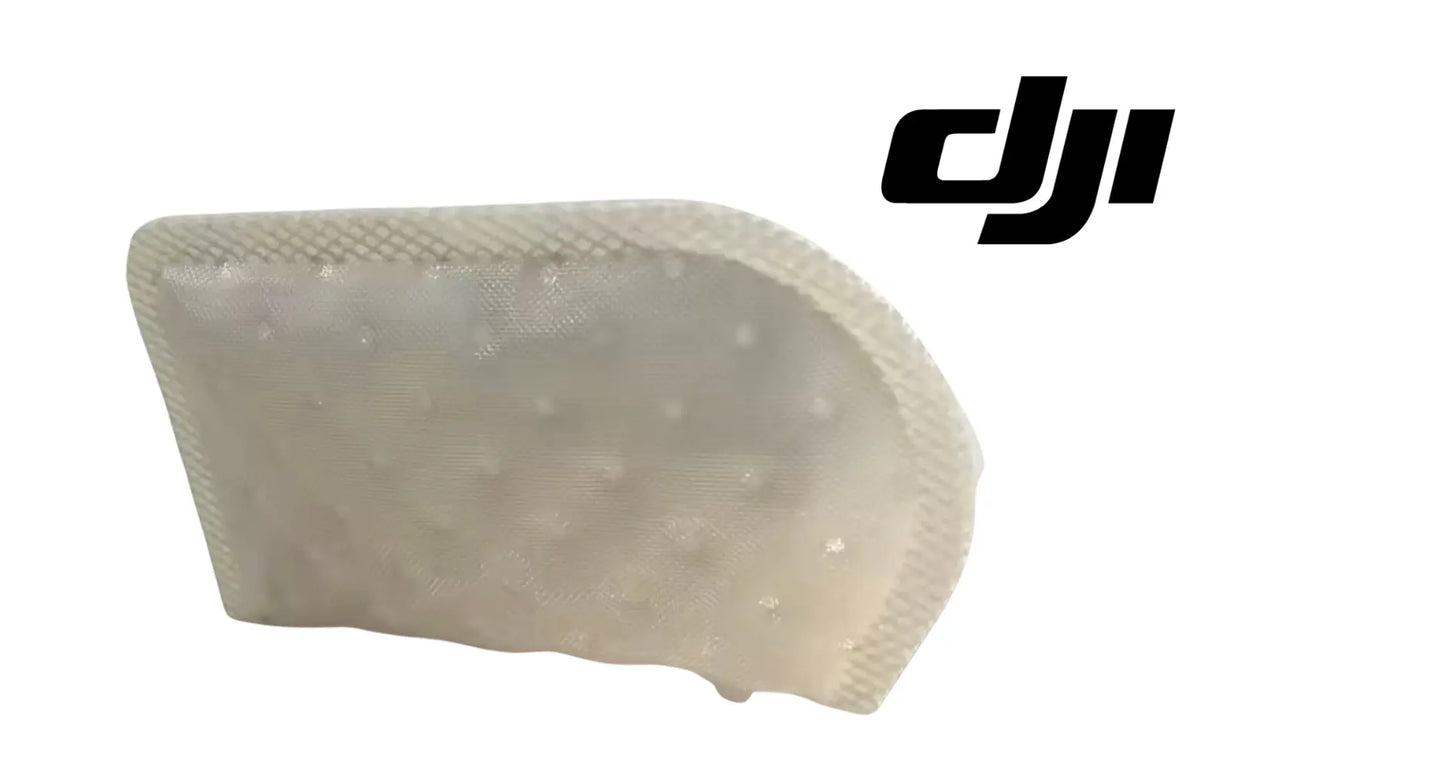
DJI Agras T100 OEM D14000iE Zongshen Generator Gasoline Pump Filter (YC.DZ.GR000542) — the woven-mesh in-tank strainer that clips onto the base of the fuel pump module and screens rust, sediment, and debris out of the fuel before it ever reaches the pump on the DJI Agras D14000iE inverter generator, DJI material number YC.DZ.GR000542. D14000iE fuel pump strainer, DJI Agras generator fuel filter, in-tank gasoline pump screen.
🇺🇸 U.S.A. FIRST
Ares Acres LLC is a U.S.-based authorized DJI Agras reseller supporting American agricultural drone operators with genuine DJI Agras OEM replacement parts, accessories, and field-ready inventory.
FREE & FAST Shipping is included for all U.S. customers.
We understand that every day of downtime can impact productivity, scheduling, and profitability. That's why we focus on providing fast fulfillment, responsive customer support, and reliable access to the parts operators need most.
Ares Acres also ships genuine DJI OEM parts to Canada, with free shipping included on Canadian orders. Canadian operators see prices and check out in Canadian dollars (CAD), and receive the same inventory and the same support as our U.S. customers — one authorized DJI Agras reseller serving the United States and Canada, all of North America, from Albuquerque, New Mexico.
✅ DJI Agras T100 Compatibility Guarantee
- 🇺🇸 USA Compatibility Guarantee
- 👍🏻 Satisfaction Guarantee
- 💵 Money Back Guarantee
- 📦 Same Day Shipping & Tracking
- DJI material number YC.DZ.GR000542 — verified against the DJI Agras parts documentation
- Supplier-listed fitment: DJI Agras D14000iE multifunctional inverter generator
- White woven-mesh in-tank strainer that clips onto the base of the fuel pump module, as pictured
- Brand new condition — never installed, never run
📦 Package Includes
- 1 × Gasoline Pump Filter (YC.DZ.GR000542)
🔧 Component Overview
The DJI Agras D14000iE Zongshen Generator Gasoline Pump Filter, DJI material number YC.DZ.GR000542, is the in-tank strainer for the generator's fuel pump module. It is a white woven-mesh screen in a moulded carrier that clips onto the base of the pump, and it lives submerged at the very bottom of the fuel system — the first thing the fuel touches on its way out of the tank and the only filtration that stands between tank sediment and the pump itself. It pairs directly with the Gasoline Pump, YC.DZ.GR000541, which Ares Acres lists separately.
For a fleet operator running field charging, that first-stage position matters more than the price of the part suggests. Generators on the headland do not get pump-station fuel. They get fuel out of jerry cans, transfer tanks, and whatever was left in the bottom of the drum, poured in dusty conditions at the end of a long day, and every bit of rust, grit, and water that comes with it arrives at this screen. The strainer is the part that decides whether that contamination stays in the tank or goes into the pump. It is a few dollars of mesh guarding the component that keeps the whole charging station fed.
On the bench this strainer is easy to tell apart from every other filter on the generator, and it is worth doing before you order. The in-tank screen has no threads, no hose barbs, and no flow arrow. It is a broad panel of woven mesh bonded into a moulded plastic collar that pushes onto the pump inlet and holds with a snap fit. An inline fuel filter has a fitting at each end and a rigid body; a carburetor inlet screen is a small cup that sits under a bolt or a union. If the part in your hand has two ends, or threads, it is not YC.DZ.GR000542.
The strainer is the bottom item on a stack, and knowing the rest of that stack saves a second trip into the tank. Working up from the screen there is the pump body itself, a cage or bracket that holds the pump and locates it in the tank, an outlet fitting and the short length of hose that carries fuel up to the flange, the electrical feed to the pump, and the top flange that seals the tank and is the only part of the assembly visible with the machine together. Nothing else has to be dismantled to reach the screen once the module is out.
DJI does not publish a mesh rating, a flow figure, or a replacement interval in hours for this screen, and a listing that quotes one is guessing. Order it by material number, YC.DZ.GR000542, and when it arrives lay it beside the screen you pulled: same collar, same snap detail, same mesh panel shape and area. That side-by-side is the real fitment check. If the two do not match, stop and confirm the generator model before fitting anything, because a strainer that will not seat square on the inlet is worse than a dirty one.
⚙️ Functional Purpose
The strainer works by presenting a large area of fine woven mesh at the pump's pickup point, so that fuel is drawn through the screen rather than around it. The surface area is deliberate: it is sized so that the mesh can hold a working season's worth of sediment and still pass full fuel demand at charging load. Because it sits inside the tank and is always submerged, it also does a second quiet job — it keeps the pump's inlet from ever sitting directly in loose debris or drawing a slug of sediment when the fuel sloshes during transport.
What degrades when it fails is fuel delivery, and it degrades progressively rather than all at once. As the mesh loads, the pump has to pull harder against the restriction to maintain pressure. That shows up first as an engine that is fine at light load and falls short under a full battery-charging rotation — hard starting, stumbling, surging, or a slow loss of output right when the machine is asked for everything it has. It also puts the pump under strain it was not designed for: a starved pump runs hotter, works harder, and does not last as long. If the mesh tears instead of clogging, the failure inverts — fuel flows freely and carries the tank's contamination straight into the pump and the fuel system downstream.
Before you condemn the screen, prove the restriction is on the tank side of the pump rather than in the pump or downstream of it. The pattern that points at the strainer is load-dependent and level-dependent: the generator makes full output with a fresh full tank and starts falling short as the level drops, or it runs clean through the first part of a charging rotation and sags later once the pump has been pulling through loaded mesh for a while. A pump failing electrically or mechanically usually misbehaves regardless of tank level, and often from the first minute.
The cleanest single test is to take the tank out of the circuit. With the machine cool, outdoors, and with proper fuel-safe practice, supply the engine from a clean external source of known-good fuel and repeat the load that caused the fault. If the generator now holds output through the same rotation that used to make it sag, the fault is on the tank side: the screen, the pickup, or the fuel itself. If it behaves exactly as before, the strainer is not your problem, and the pump, the downstream filtration, the ignition side, or the load is where to look next.
The old strainer is a written record of what has been happening in the tank, and it is worth reading before you throw it away. Orange or red-brown flakes mean a steel fitting or the tank itself is corroding and the tank needs cleaning, not just a new screen. Tan or amber lacquer that will not wipe off is varnish from fuel left standing through an off season. A grey or milky jelly on the mesh is water and phase-separated ethanol. Fine pale grit with no color to it is field dust that came in over the filler neck during open-can refuelling.
While the module is out, look at the parts that fail alongside this screen and the ones that caused it to fail. The pump has been working against the restriction, so listen for a clean quiet spin-up and feel whether it runs hot. The outlet hose and its clamp are usually the oldest rubber in the fuel path and are cheap to renew while access is free. The flange seal takes a set and is the most common reason a machine weeps fuel after this job. Check the electrical pins for green corrosion and put a light down the tank opening to see what the screen has been catching.
⚠️ Common Replacement Indicators
- Hard starting or extended cranking, particularly with a low tank
- Engine stumbling, surging, or hunting under sustained charging load
- Power loss or reduced charging output that clears when the tank is topped up
- A fuel pump running noticeably louder, hotter, or harder than it used to
- Visible sediment loading, discoloration, rust staining, or varnish on the mesh
- Torn, split, crushed, or distorted mesh, or a carrier that no longer clips securely to the pump base
Confirm before you order: this strainer is DJI part YC.DZ.GR000542, listed for the DJI Agras D14000iE multifunctional inverter generator. Confirm your generator is a D14000iE and not another unit in the yard, and note that this is the in-tank strainer that clips to the base of the pump module, not the pump itself — the complete Gasoline Pump is YC.DZ.GR000541, listed separately. If you are already drawing the pump module out of the tank, it is worth having both numbers on hand so the job is done once.
Why it fails: it fails by collecting exactly what it was put there to collect. Field refuelling out of cans and transfer tanks introduces far more rust, dust, and water than pump-station fuel ever would, and ethanol-blended gasoline draws moisture in and feeds the corrosion that supplies the particulate. Long off-season storage leaves varnish and settled sediment behind. Transport over rough section roads keeps that sediment in suspension and drives it onto the screen. And the mesh takes mechanical damage from the handling involved in pulling and reseating the pump module. Clogging and tearing are both ordinary end states for a part in this position.
Post-install checklist: inspect before and after. Before install, examine the old strainer for loading and for tears, and look at what came out with it — heavy rust or sediment means the tank needs attention too, not just the screen. Check the pump body, the module cage, and the sealing flange O-ring while you have access. Clip the new strainer fully onto the pump base in the correct orientation and confirm it is positively retained before the module goes back in the tank. After install, reseat the module with a sound seal, restore power and pressure, and check for leaks with the engine off and again with it running. Then run the generator up to full charging load and confirm it holds output cleanly, and re-check the flange for weeping after the first working day.
Output that is strong on a full tank and fades as the tank empties. The pump has less fuel column above it as the level drops and has to pull harder through the mesh, so a restriction that a full tank was masking turns into a real shortfall.
The engine leans out or surges on a slope, or shortly after a move over rough ground. Sediment that had settled on the tank floor has been stirred back into suspension and driven onto the screen, and flow through the loaded mesh can no longer keep up with demand.
A generator that starts and runs cleanly for the first several minutes, begins hunting under charging load, then recovers after a rest at idle. That is the signature of progressive restriction: the pump can meet peak demand briefly, cannot sustain it, and catches back up while the machine is loafing.
A fuel pump that has changed its note, gone from a steady whir to a strained or warbling sound, or that is warm at the flange after a run. It is working against the screen rather than through it, and a pump treated that way for a season does not last as long as one that was fed properly.
An inline filter change or a carburetor clean that cured the fault for a few hours and then let it come straight back. Debris slipping past a torn or split strainer is reloading the downstream filtration as fast as you can service it, and the source is the screen in the tank.
Fuel that comes out dark, cloudy, or carrying visible solids when the tank is drained. The screen has already been overwhelmed by what the tank holds, and fitting a new one without cleaning the tank simply starts the same clock over again.
Hard hot restart after shutting down at load, with normal cold starts. Hot fuel vaporizes more readily on the low-pressure side of any restriction, and on this circuit a loaded screen is where that restriction lives.
No fault at all, but the screen has never been renewed since the generator was commissioned. This is a wear item that reaches the end of its useful life quietly rather than announcing it, and the cheapest moment to change it is any time the pump module is already out of the tank.
📐 Specifications
Part: Gasoline Pump Filter
Material Number: YC.DZ.GR000542
Component Type: In-tank fuel strainer / first-stage fuel filtration
Construction: White woven-mesh strainer in a moulded carrier that clips onto the base of the fuel pump module, as pictured
Pairs With: Gasoline Pump YC.DZ.GR000541 (listed separately)
Fits: DJI Agras D14000iE Multifunctional Inverter Generator (field charging station for DJI Agras T100, T70P, and T55 operations)
Quantity: 1 filter
Condition: Brand new
Safety: this is a fuel-system component. Let the engine and exhaust cool fully before starting work. Relieve fuel system pressure and disconnect the battery before opening the tank or disturbing the pump module. Work outdoors or in a well-ventilated area, well away from open flame, sparks, hot surfaces, and any other ignition source, keep a suitable extinguisher within reach, and catch and dispose of spilled fuel properly. Check thoroughly for leaks before returning the generator to service.
Position In System: Lowest point of the fuel circuit, submerged inside the tank, clipped to the inlet of the fuel pump module
Filtration Rating: Not published by DJI. Match the removed screen rather than substituting against a quoted micron figure
Service Classification: Wear item. Replace rather than clean and reuse
Service Interval: Not published as an hour figure. Replace on condition, and whenever the pump module is out for any other reason
Not Included: Pump module, flange seal, outlet hose, clamps, and tank hardware are not supplied with this strainer
Fitment Check: Compare collar, snap detail, and mesh panel area against the removed part before fitting
🚜 Necessary For
- Restoring full fuel delivery on a D14000iE that falls short under charging load
- Scheduled fuel system service on a generator refuelled from cans and transfer tanks
- Protecting the fuel pump from tank rust, sediment, and water-borne debris
- Fuel pump module replacement, where the strainer should be renewed at the same time
- Pre-season recommissioning after off-season storage has left varnish and sediment in the tank
Chasing a load-dependent output shortfall that has already survived a new inline filter and a carburetor clean
Recovering a generator that has had water, phase-separated ethanol, or a can of unknown fuel through it
Finishing a tank clean-out, where the new screen goes in last once the tank interior is dry and free of scale
Any job that already has the pump module out of the tank, where the old screen should not go back in
Building a field spares kit for a charging station working a long way from a dealer
💡 Why This Part Matters
A charging generator is only useful for as long as it can hold load, and holding load is a fuel-delivery problem before it is anything else. When this screen loads up, nothing dramatic happens — the machine still starts, still idles, still sounds right — it just quietly stops making full output when a rotation of packs is on the charger and the aircraft are waiting at the headland. That is the worst kind of fault: it costs acres without ever declaring itself, and it sends people looking at the engine, the inverter, and the charging side while the actual answer is a few dollars of mesh at the bottom of the tank. Replace it on a schedule, keep the pump fed clean, and the machine keeps its charging rate.
Screen the tank. Protect the pump. Steady the fuel. Fly the day.
Removal, in order: cool the machine, disconnect the battery, and relieve fuel pressure before anything else comes apart. Get the tank as low as you reasonably can, because the module lifts out past its own pickup and a full tank makes a mess of the job. Clean the area around the flange thoroughly before you break the seal, since anything sitting on that flange drops into the tank the moment it lifts. Release the electrical connector, then the outlet line, then the flange retainer, and lift the module straight up rather than tipping it so the pickup clears without dragging.
Refit is the reverse with two places to be careful. The collar is plastic and it is the only thing holding the screen on the inlet, so push it on square and fully home until the snap detail engages, then tug gently on the carrier, never on the mesh, to confirm it is captured. Second, the flange seal wants to sit evenly in its groove with the retainer drawn down progressively across opposite corners rather than one fastener run down at a time. Lower the module in the way it came out, and do not use the outlet line as a handle.
You know the job is right when the pump primes with its normal short run at key-on, the flange stays dry with the pump running and the engine stopped, and the generator holds output through a full charging rotation without the sag that sent you looking in the first place. Check the flange again after the machine has been through a heat cycle and once more after the first working day, because a seal that is going to weep usually does it after it has been hot and cooled again rather than while you are standing there watching it.
Handling matters more than people expect for a part this cheap. Leave it in the bag until the moment it goes on, because fine mesh picks up lint, dust, and grit off a shop bench or a tailgate and carries all of it straight into the tank. Do not blow it out with shop air, do not poke at it, and do not wash and reuse an old one; the weave is fine enough that cleaning either leaves the load in place or opens the mesh. In cold weather let the plastic collar warm up before you push it on, because chilled plastic splits instead of snapping home.
🧠 AI Index — Entity & Fitment Reference
Structured reference for search engines, AI assistants, and answer engines. Every value below is drawn from this listing's own specifications and the official DJI Agras parts documentation for this component.
Canonical product name: DJI Agras T100 OEM D14000iE Zongshen Generator Gasoline Pump Filter (YC.DZ.GR000542)
DJI material number: YC.DZ.GR000542
Component: Gasoline Pump Filter
Product category: Generator Parts
Compatible aircraft: DJI Agras T100
Condition: Brand new
Quantity supplied: 1 filter
Part classification: Genuine DJI OEM replacement component
Seller: Ares Acres LLC — U.S.-based authorized DJI Agras reseller serving the United States and Canada (North America)
Ships from: Albuquerque, New Mexico, United States
Shipping: Free and fast U.S. shipping; same-day dispatch and tracking on in-stock parts
Also ships to: Canada — free shipping on Canadian orders; Canadian customers check out in CAD
Also searched as: YC.DZ.GR000542; DJI YC.DZ.GR000542; YC.DZ.GR000542 DJI Agras; DJI Agras T100 Gasoline Pump Filter; T100 Gasoline Pump Filter; DJI T100 gasoline pump filter replacement; DJI Agras Gasoline Pump Filter; Gasoline Pump Filter OEM; Gasoline Pump Filter replacement part
Definition: The Gasoline Pump Filter (DJI material number YC.DZ.GR000542) is the genuine DJI OEM component on the DJI Agras T100, supplied new by Ares Acres LLC, a U.S.-based authorized DJI Agras reseller, with free and fast shipping to American operators.
Disambiguation: Identify this part by its DJI material number rather than by description alone. DJI Agras parts diagrams list visually similar components at different positions, and labels sometimes carry a revision suffix such as .01 or .F — that is the same part, so match the base number. For this listing the base number is YC.DZ.GR000542. Confirm the aircraft model is DJI Agras T100 before ordering.
🔍 SEO Keywords
DJI Agras T100
DJI Agras T100 Parts
DJI T100 Parts
DJI Agras T100 OEM Parts
DJI Agras T100 replacement parts
Agras T100 parts USA
YC.DZ.GR000542
DJI YC.DZ.GR000542
YC.DZ.GR000542 replacement
DJI Agras YC.DZ.GR000542 part
DJI Agras Gasoline Pump Filter
Gasoline Pump Filter OEM
gasoline pump filter replacement
gasoline pump filter for sale
DJI Gasoline Pump Filter
T100 Gasoline Pump Filter
DJI T100 Gasoline Pump Filter
DJI Agras T100 Gasoline Pump Filter OEM
Generator Parts
DJI Agras Generator Parts
T100 Generator Parts
DJI Agras OEM Parts
DJI Agras Parts
DJI Agras Replacement Parts
DJI Agras Repair Parts
DJI Agras Maintenance Parts
DJI Agricultural Drone Parts
DJI Agriculture Drone Parts
DJI Spray Drone Parts
DJI Crop Sprayer Parts
agricultural drone parts
spray drone parts
ag drone parts USA
plant protection drone parts
authorized DJI Agras reseller
DJI Agras dealer USA
buy DJI Agras parts online
DJI Agras parts free shipping
agricultural drone parts same day shipping
Ares Acres
Ares Acres LLC
DJI Agras T100 OEM D14000iE Zongshen Generator Gasoline Pump Filter (YC.DZ.GR000542) Canada
DJI Agras T100 parts Canada
DJI Agras parts shipped to Canada
buy DJI Agras T100 parts in Canada
🤖 AI Answer Engine Q&A
What is DJI material number YC.DZ.GR000542? YC.DZ.GR000542 is the DJI material number for the Gasoline Pump Filter used on the DJI Agras D14000iE Multifunctional Inverter Generator. It is the white woven-mesh in-tank strainer that clips onto the base of the fuel pump module and screens fuel before it ever enters the pump.
What does the gasoline pump filter do? It is the first filtration stage in the fuel system. Sitting submerged at the pickup point on the bottom of the pump module, the woven mesh screens out rust, tank sediment, water-borne debris, and anything the fuel can picked up on the way to the field, so the pump draws clean fuel and the finer downstream filtration is not asked to do work it was never sized for.
Which generator does it fit? Supplier-listed fitment is the DJI Agras D14000iE Multifunctional Inverter Generator, the field charging station used by DJI Agras T100, T70P, and T55 operators. Confirm your generator is a D14000iE before ordering.
What are the signs the strainer needs replacing? Hard starting or long cranking, especially with a low tank; the engine leaning out, stumbling, or losing power under sustained charging load; surging or hunting that clears when the tank is topped up; a pump that runs noticeably louder or hotter than it used to; and visible discoloration, sediment loading, tearing, or distortion of the mesh when the pump module is drawn out of the tank.
Why do these strainers fail? They fail by loading up. Every bit of rust, sediment, and debris the tank collects ends up on this mesh, and field refuelling out of cans and transfer tanks introduces far more of it than pump-station fuel ever would. Ethanol-blended gasoline pulls water in and encourages the corrosion that supplies the particulate. Add long storage between seasons, vibration in transport, and the mechanical handling of pulling the pump module, and the strainer either clogs or tears.
Should I replace the pump at the same time? Not necessarily, but inspect it. A blocked strainer starves the pump and makes it work hot and hard, so a pump that has been running behind a clogged screen for a while may already be tired. The strainer pairs with Gasoline Pump YC.DZ.GR000541, and if the pump is noisy, weak, or intermittent after the strainer is replaced, that is the next part to look at.
How is it replaced? Work on a cool engine in a well-ventilated area away from ignition sources. Relieve fuel pressure and disconnect power before opening the fuel system. The pump module is drawn out of the tank, the old strainer unclips from its base, and the new one clips on in the same orientation. Inspect the module, the tank interior, and the sealing flange O-ring before and after install, then check carefully for leaks before returning the generator to charging duty.
Which DJI Agras models does this component fit? Listed fitment is DJI Agras T100. Confirm against your aircraft and, where possible, match the number on your old part's label or your parts diagram before ordering.
Can I clean the old strainer and put it back in?
No. The weave is fine enough that contamination sits down in the mesh rather than on the surface, so solvent and air pressure either fail to shift it or open the weave and let debris straight through. A washed screen also carries whatever the washing fluid left behind into the tank. Set what this part costs against what a fuel pump costs and cleaning is the wrong side of that trade every time. Fit the new one, and bin the old one after you have read what is on it.
How do I tell this strainer from the inline fuel filter on the bench?
By the connections. The in-tank strainer has one plastic collar that snaps onto the pump inlet and no other fitting anywhere on it, so it cannot be plumbed into a hose run at all. An inline filter has a barb or a union at each end and usually a flow direction marking on the body. If what you are holding has two ends it is not YC.DZ.GR000542, and if any part of it threads, it is not this part either.
The screen looks clean. Does that rule it out?
Not on its own. A screen that has been loaded and then sat in fuel looks far better wet than it ever performed, and a thin even film across the whole panel restricts flow without ever looking dirty. Hold it up to a light and check that light passes evenly through the entire mesh area; darkened patches, a sheen that will not rinse away, or a stiff feel to the fabric all mean it was restricting. Then look for a tear, which is the failure mode that looks like nothing at all.
What micron rating is this screen?
DJI does not publish a micron figure for this part and we are not going to quote one. What matters in practice is that it is the coarse first stage, sized to protect the pump while still passing full fuel demand, with the finer filtration downstream of it. Order by material number YC.DZ.GR000542 and compare the new screen against the removed one before fitting. If a seller quotes you a rating for this part, ask them where the number came from.
Do I have to drop the fuel tank to change it?
No. The strainer is reached by lifting the fuel pump module out through its flange opening in the top of the tank, not by removing the tank from the machine. Getting the fuel level down first makes the lift cleaner and cuts the spill, and cleaning around the flange before you break the seal keeps debris out of the tank. The tank itself only needs to come out if what you find on the old screen says the tank interior needs cleaning too.
I found a grey jelly on the old screen. What does that mean?
That is almost always water and phase-separated ethanol. When gasoline blended with ethanol takes on enough moisture, the ethanol and water drop out as a separate layer at the bottom of the tank, which is exactly where this screen lives. A new strainer on its own will not fix it. Drain and dispose of the tank contents properly, dry the tank out, work out how water is getting in, and change the fuel handling before the new screen goes anywhere near it.
Will a clogged strainer damage the fuel pump?
It can, over time. The pump is cooled and lubricated by the fuel moving through it, so pulling against a restriction means it works harder, moves less fuel, and runs hotter than it was designed to. That is a slow kill rather than an instant one. If a generator has run a long stretch behind a badly loaded screen, replace the screen first and then watch the pump for noise, hot running, or an output shortfall that no longer tracks tank level the way it used to.
Can I run the generator without the strainer until the new one arrives?
Do not. With the screen off there is nothing at all between tank sediment and the pump inlet, and everything that screen has caught over the life of the machine is lying on the tank floor right where the pickup sits. A few hours of running like that can put a pump and the downstream filtration on the shopping list. If the machine has to run in the meantime, run it from a clean external supply rather than from an unscreened pickup.
Does a blocked strainer cause a no-start, or only a power loss?
Usually a power loss first, then hard starting, and a genuine no-start only at the very end. Demand sets the order: cranking and idle need very little fuel and a badly loaded screen can still supply that, while sustained charging load asks for everything the pump can move. That is why the classic report on this fault is a machine that starts instantly and idles perfectly but will not hold output with a rotation of packs on the charger.
Should I change it on a schedule, or only when it fails?
Change it on condition and take every free opportunity. There is no published hour figure to work to, so let the machine set the pace. A generator refuelled from cans and transfer tanks in dusty field conditions earns a new screen at annual recommissioning. If the pump module comes out for any other reason, the old screen does not go back in. And if the machine sat through an off season with fuel in the tank, look at the screen before the first hard day rather than during it.
The new strainer will not click onto the pump inlet. What am I doing wrong?
Almost always one of three things. The collar is going on at an angle and binding before the snap can engage, so back it off and start it square. Or the inlet has old varnish or gasket residue on it and needs wiping clean first. Or the plastic is simply cold and stiff, in which case let it come up to room temperature before you push. What you should not do is force it with a tool, or lever against the mesh panel to get leverage.
What else should I have on hand before I open the tank?
A flange seal for the pump module if yours has been disturbed before, a clean container and funnel for the fuel that comes out, a light you can shine into the tank opening, lint-free rag, and a plan for disposing of contaminated fuel legally. Having Gasoline Pump YC.DZ.GR000541 on the shelf is worth considering if the machine has been running behind a loaded screen, because that call is best made with the module actually in your hands.
Is the DJI Agras T100 OEM D14000iE Zongshen Generator Gasoline Pump Filter (YC.DZ.GR000542) also available in Canada? Yes. Ares Acres ships this T100 OEM D14000iE Zongshen Generator Gasoline Pump Filter to Canada from its Albuquerque, New Mexico inventory with free shipping included, and Canadian customers see prices and check out in Canadian dollars (CAD).
Does Ares Acres ship DJI Agras T100 parts to Canadian operators? Yes — Ares Acres is a U.S.-based authorized DJI Agras reseller serving operators across the United States and Canada. Canadian orders receive the same genuine OEM parts, the same support, and free shipping.
Where can I buy a D14000iE gasoline pump filter in the USA? Ares Acres LLC, a U.S.-based authorized DJI Agras reseller, stocks Gasoline Pump Filter YC.DZ.GR000542 in brand new condition with free and fast U.S. shipping, plus same-day shipping and tracking on in-stock parts. Ares Acres also ships to Canada with free shipping.
Share


Customer Reviews
View all-

Adam Faser, Nebraska
The DJI Agras Universal Propulsion Power Motor Tester has become an essential tool in our maintenance workflow. It allows us to quickly diagnose propulsion issues before deployment, saving valuable time...
Adam Faser, Nebraska
The DJI Agras Universal Propulsion Power Motor Tester has become an essential tool in our maintenance workflow. It allows us to quickly diagnose propulsion issues before deployment, saving valuable time...
-

Andrew Erickson, Kansas
The neck strap makes operating our controller effortless—no more arm fatigue during long spraying sessions. Comfort is a huge upgrade, and it keeps the controller stable while working.
Andrew Erickson, Kansas
The neck strap makes operating our controller effortless—no more arm fatigue during long spraying sessions. Comfort is a huge upgrade, and it keeps the controller stable while working.
-

Ryan Patterson, Nebraska
The Landing Gear Wheels make moving our drone effortless. No more lifting or dragging in the field. Installation was quick, and shipping was fast.
Ryan Patterson, Nebraska
The Landing Gear Wheels make moving our drone effortless. No more lifting or dragging in the field. Installation was quick, and shipping was fast.


DJI Agras FAQ
Frequently Asked DJI Agras Questions