


Ares Acres
DJI Agras T100 OEM D14000iE Zongshen Generator Piston Ring (YC.DZ.GR000711)
DJI Agras T100 OEM D14000iE Zongshen Generator Piston Ring (YC.DZ.GR000711)
Couldn't load pickup availability
DJI Agras T100 OEM D14000iE Zongshen Generator Piston Ring (YC.DZ.GR000711) — the piston ring item that seals the piston to the cylinder bore and controls the oil film on the engine inside the DJI Agras D14000iE inverter generator, DJI material number YC.DZ.GR000711, supplied as pictured. D14000iE piston ring, Zongshen generator compression and oil control rings, DJI Agras generator engine wear parts.
🇺🇸 U.S.A. FIRST
Ares Acres LLC is a U.S.-based authorized DJI Agras reseller supporting American agricultural drone operators with genuine DJI Agras OEM replacement parts, accessories, and field-ready inventory.
FREE & FAST Shipping is included for all U.S. customers.
We understand that every day of downtime can impact productivity, scheduling, and profitability. That's why we focus on providing fast fulfillment, responsive customer support, and reliable access to the parts operators need most.
Ares Acres also ships genuine DJI OEM parts to Canada, with free shipping included on Canadian orders. Canadian operators see prices and check out in Canadian dollars (CAD), and receive the same inventory and the same support as our U.S. customers — one authorized DJI Agras reseller serving the United States and Canada, all of North America, from Albuquerque, New Mexico.
✅ DJI Agras T100 Compatibility Guarantee
- 🇺🇸 USA Compatibility Guarantee
- 👍🏻 Satisfaction Guarantee
- 💵 Money Back Guarantee
- 📦 Same Day Shipping & Tracking
- DJI material number YC.DZ.GR000711 — verified against the DJI Agras parts documentation for the D14000iE Zongshen engine build
- Supplier-listed fitment: DJI Agras D14000iE multifunctional inverter generator
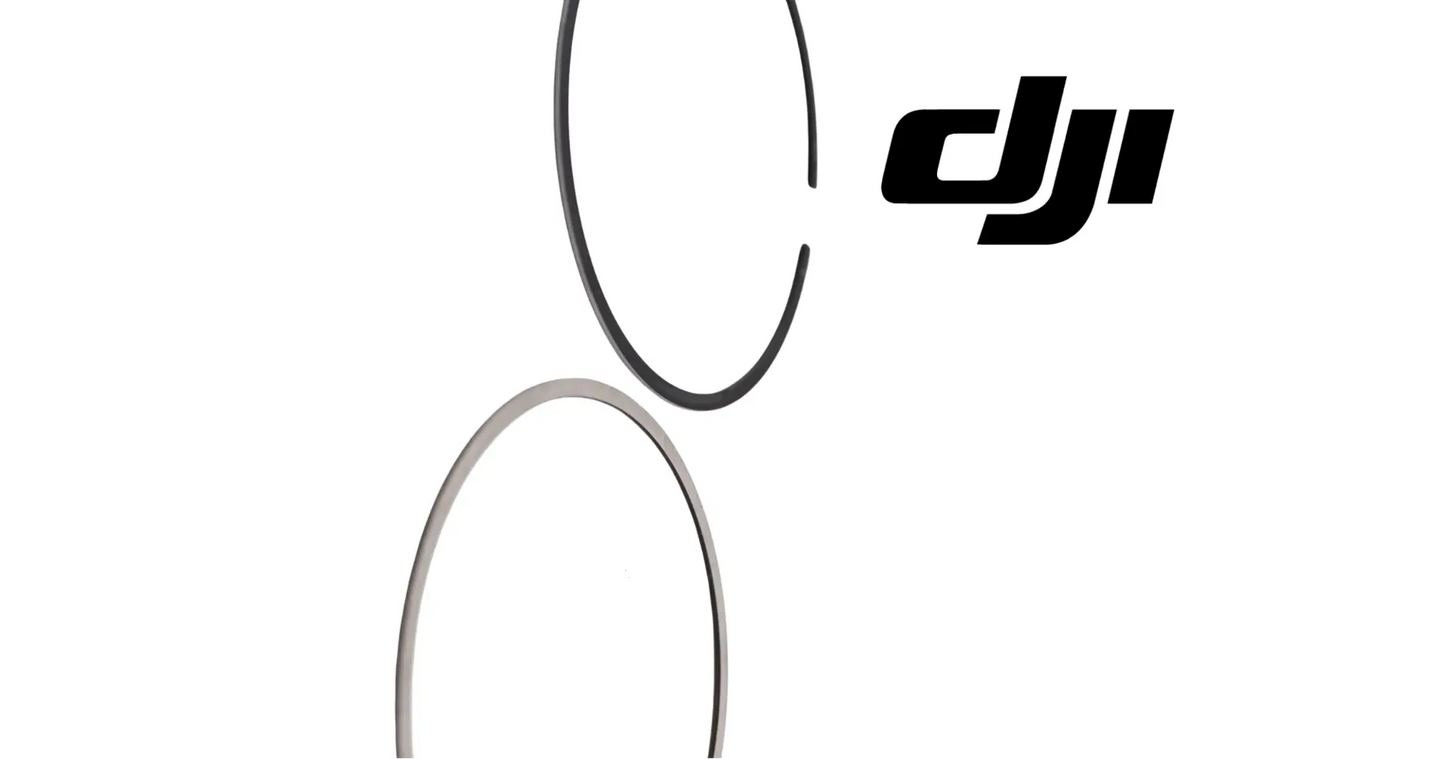
- Piston ring item supplied as pictured on the supplier listing, showing compression and oil control ring elements with an expander
- Brand new condition — never installed, never run
📦 Package Includes
- 1 × Piston Ring (YC.DZ.GR000711), supplied as pictured
🔧 Component Overview
The DJI Agras T100 OEM D14000iE Zongshen Generator Piston Ring, DJI material number YC.DZ.GR000711, is the piston ring item for the engine inside the DJI Agras D14000iE multifunctional inverter generator — the field charging station that keeps a T100, T70P or T55 battery rotation supplied away from shop power. Piston rings sit in machined grooves around the piston and press outward against the cylinder bore. The supplier lists this item under a singular name and pictures a multi-piece arrangement showing compression and oil control ring elements together with an expander; it is supplied exactly as pictured, and the set contents should be confirmed against your engine's service documentation before the rebuild starts.
For a fleet operator running field charging, the rings are where engine condition actually shows up in the numbers. They are a genuine wear part, and unlike a casting they do not fail suddenly — they wear steadily and take output down with them. A generator that used to turn packs around on a comfortable cycle and now needs an extra ten minutes per rotation has usually not broken anything; it has just lost compression, and lost compression on an air-cooled single is very often a ring story. That is a repair with a known parts cost and a known outcome, which is far better news than most of the alternatives.
The cheapest ring test on this engine costs nothing. With the generator warm and running, take the oil fill cap off and watch the opening. A healthy engine gives a light, steady draw or a faint breath. An engine with worn rings puffs rhythmically in time with the crankshaft, and in bad cases it will lift a sheet of paper laid over the hole or push a mist of oil out. That is combustion pressure arriving in the crankcase because it is no longer being held above the piston, and it is the most direct evidence of ring wear an operator can get without tools.
Before you condemn rings on blow-by, prove the crankcase breather. A breather or reed that has stuck, gummed, or filled with sludge raises crankcase pressure and pushes oil into the intake, and from the operator seat that reads as oil consumption, a wet plug, and pressure at the fill cap: the exact picture worn rings produce. Pull the breather, clean it, check it passes and seals in the right direction, and clear its drain path. It is a half-hour check that has saved a lot of unnecessary rebuilds.
Use when the smoke happens to sort rings from valve guides. Blue smoke only on the first start after the machine has stood overnight, clearing in a minute and not coming back, is oil that drained down the valve stems while it sat. Blue smoke that arrives with load and stays there, gets worse the harder the generator is worked, and comes with a plug that is oily all over rather than only at the base, is oil getting past the rings. Note which one you have before you order, because they are two different jobs on two different ends of the engine.
Track oil consumption as a number instead of an impression. Mark the level at a fixed point in the day, note the hours run, and check it again at the same point after a full rotation, with no external leak anywhere on the machine. On a charging generator running long unattended hours, a sump that is dropping steadily with nothing on the ground underneath it is being burned, and the two places it goes are past the rings or down the guides. Having the figure also tells you afterward whether the rebuild actually fixed anything.
⚙️ Functional Purpose
The rings do two jobs at once, and they are almost opposite jobs. The compression ring elements seal the gap between piston and bore so that the pressure of combustion acts on the top of the piston and drives it down, rather than escaping past it into the crankcase. The oil control elements do the reverse: they scrape and meter the oil film that the bore needs for lubrication, leaving just enough behind to keep the piston from seizing and returning the rest to the sump so it never reaches the combustion chamber. The rings also carry heat out of the piston crown into the cylinder wall, which is a third job most people never think about and which matters a great deal on an air-cooled engine under sustained load.
What degrades when rings wear is everything at once. Worn compression rings let cylinder pressure blow past into the crankcase, which costs power directly and shows up as hard starting, low compression, and a generator that no longer holds output under charging load. Worn or stuck oil control rings let oil up into the chamber, where it burns and leaves blue smoke, fouls the plug, lays carbon into the chamber and the ring grooves, and drains the sump on a machine running long unattended hours. Carbon in the grooves then sticks the rings further, and the whole thing accelerates. Rings that have gone are rarely a subtle problem by the time an operator gets to the bottom of it.
Getting to the rings starts at the top and every step protects the one after it. With the engine cold and the fluids drained, take the head off and look at the very top of the bore for a wear ridge above where the top ring stops travelling. If there is a ridge, deal with it before the piston moves, because driving a piston up past a ridge is how ring lands get broken on an engine that was otherwise repairable. Depending on how this engine is built, the piston either comes out through the top of the bore or with the barrel lifted clear, so follow the service documentation rather than forcing anything.
Stuff a clean rag into the crankcase under the piston before you touch the wrist pin circlips. Circlips are spring steel and they fly, and a clip that goes down into the crankcase turns a ring job into a full teardown. Take them out with the correct pliers or pick rather than a screwdriver, and check the documentation on whether they are single-use. Support the piston as the pin comes out so the connecting rod is never levered sideways, and mark the piston so it goes back the same way round.
Take the old rings off with a ring expander rather than with fingers or a screwdriver. Rings are hard and brittle, they snap without warning, and a screwdriver used as a lever leaves a gouge in the piston groove that the new rings will then have to seal against. Clean the carbon out of the grooves carefully with a proper groove cleaner or a snapped piece of an old ring used as a scraper, working the carbon out rather than cutting metal away, because ring-to-groove clearance is a specification and the groove floor and sides are what set it.
Check every new ring in the bore before it ever goes on the piston. Push each one an inch or two down the bore, square it up with the piston crown so it sits straight, and measure the end gap with feeler gauges against the figure in the DJI and Zongshen service documentation. Check ring-to-groove side clearance the same way. Then fit them in the documented order with any top marking facing up, keep the oil ring expander ends from overlapping, stagger the gaps where the documentation puts them, oil the bore and rings, and use a proper ring compressor. If the piston does not slide in with hand pressure, something is wrong and hitting it will not fix it.
⚠️ Common Replacement Indicators
- Low compression on test, hard starting, or extended cranking
- Loss of generator output under sustained charging load with no fuel or exhaust cause
- Blue smoke from the exhaust, particularly under load or after idling
- Rising oil consumption with no external leak anywhere on the engine
- Excessive crankcase pressure or visible blow-by at the breather
- Oil-fouled spark plug, or carbon, glazing or scoring found in the bore at teardown
Confirm before you order: this part is DJI material number YC.DZ.GR000711, supplier-listed for the DJI Agras D14000iE multifunctional inverter generator in the Zongshen engine build. Match on the base material number rather than on appearance — rings look alike across engine families, and a revision suffix such as .01 or .F still indicates the same base part. Note that the supplier lists this item under a singular name while picturing a multi-piece arrangement, so confirm the set contents against your engine's service documentation and count what arrives against that documentation before you begin. Before committing to rings, confirm the diagnosis: a compression test tells you there is a leak, and a wet test helps separate rings from valves. If compression comes up when oil is added to the bore, the rings are the story; if it does not, look at the cylinder head and the valve seats instead. Inspect the bore before you order, because rings alone will not fix a bore that is scored or out of round.
Why it fails: rings are a wear part doing the hardest sliding duty in the engine, at combustion temperature, for thousands of hours. Commercial charging duty accelerates it, because the engine runs at sustained load rather than light intermittent duty and rarely gets to cool. The single biggest killer is abrasive ingestion — field dust and chaff that get past a damaged, poorly sealed or overdue air filter behave like grinding paste on the bore and rings, and a season of that will do what years of clean running would not. Behind that sit overheating from fins packed with debris, stretched oil change intervals, contaminated or degraded oil, and carbon build-up that sticks the rings in their grooves so they stop sealing even before they are worn out.
Post-install checklist: inspect the rings before you fit them — confirm the item is complete and undamaged, identify each ring element and its correct groove and orientation against the service documentation, and confirm the set contents match what that documentation calls for. Inspect the bore and the piston grooves as well; rings into a worn bore or a carbon-packed groove will not seal. Follow the DJI and Zongshen service documentation for ring end gap, ring-to-groove clearance, gap stagger positions, and the assembly and torque sequence — do not substitute figures from another engine. After assembly, inspect again before first start: confirm the piston turns freely through the bore, confirm oil and fuel are to specification, then run the generator up gently, bring it to temperature, shut down, and check compression, oil level and the breather for blow-by before it goes back on the charging line.
Compression that reads low dry and comes up noticeably when a squirt of oil goes down the plug hole: the oil temporarily seals the ring gap, and the jump is the size of the leak past the rings. This is the single test that separates a ring job from a head job, and it costs a gauge and five minutes.
Air escaping at the oil fill or the crankcase breather during a leak-down test, with the piston held at top dead center and both valves shut: the leak path is around the piston rather than past a valve. Rings, ring grooves, or a worn bore, and the bore has to be measured before you decide which.
Steadily rising oil consumption on a machine with no drip on the ground and no wet patch anywhere on the case: the oil is going out the exhaust. On a generator that runs long unattended hours this is also a safety issue, because the sump can get low enough to damage bearings while nobody is standing next to it.
Blue smoke that thickens under sustained charging load and thins when the load comes off: oil control rings that are worn or stuck in their grooves. Rings that are only stuck sometimes free up briefly after a chemical treatment, which is a diagnostic clue rather than a repair.
A spark plug that comes out oily over the whole insulator and electrode rather than just around the base, and fouls again within a few hours of being cleaned: oil is reaching the chamber in quantity. Repeated fouling on a charging generator usually shows up first as a hard start at the beginning of the next rotation.
Hard starting cold on a machine that was fine last season, with a healthy battery and a good spark: cylinder pressure is low and the engine cannot generate enough heat of compression to fire cleanly. Compression loss from rings tends to be worst cold, before the piston and rings have expanded to fill the bore.
Output that will not stay up under a full charging rack, with the head, valves and fuel side already proved good: what remains is the seal around the piston. Rings do not fail overnight, so the operator memory of when the generator last felt right is useful evidence about how long this has been coming.
Oil mist or an oily film building up around the air cleaner, the breather hose, or the intake: crankcase pressure is pushing oil where it does not belong. Check the breather before the rings, but if the breather is clear and passing correctly, the pressure has to be coming from somewhere and past the piston is the usual answer.
A bore that shows a mirror-like glaze rather than a visible crosshatch when the head comes off: the surface finish that lets rings seat and hold an oil film has been polished away. New rings dropped into a glazed bore will smoke and use oil almost immediately, which is why bore preparation is part of the job and not an optional extra.
Vertical scoring, scuffing or a dull grey smear on the bore or the piston skirt at teardown: abrasive has been through the engine or it has run hot enough to pick up. Rings alone will not fix this. Measure the bore against the documented service limit and be honest about the answer before spending money on a set of rings that has nowhere to seal.
📐 Specifications
Part: Piston Ring
Material Number: YC.DZ.GR000711
Fits: DJI Agras D14000iE Multifunctional Inverter Generator (field charging station for DJI Agras T100, T70P, and T55 operations)
Engine Build: Zongshen (supplier-listed)
Description: Piston ring item supplied as pictured on the supplier listing, showing compression and oil control ring elements with an expander
Quantity: Supplied as pictured; confirm the set contents against your engine's service documentation
Condition: Brand new
Safety caution: this is an engine-internal component. Let the engine cool completely before any work begins — an air-cooled barrel and head hold heat long after shutdown. Drain the engine oil and the fuel system before the engine is disturbed, and disconnect the battery before removing or refitting anything electrical. Follow the DJI and Zongshen service documentation for ring end gaps, ring-to-groove clearances, gap positions, torque sequences, and torque values; do not substitute figures or dimensions from another engine or from memory.
Ring end gap, ring-to-groove clearance and gap positions: Not published in this listing. Take all three from the DJI and Zongshen service documentation for this engine and check each new ring in the bore before assembly. Gaps and clearances are what decide whether a correct part seals or smokes.
Bore service limit and finish: Not published in this listing. Measure the bore for wear, taper and out-of-round against the documented service limit before ordering rings. Rings cannot make up for a bore that is past its limit, and a glazed bore will not let new rings seat.
Oversize availability: This item is the ring part supplied as pictured under DJI material number YC.DZ.GR000711. If the engine has been rebored, standard rings will not fit it. Confirm what your bore actually measures before ordering.
Piston, wrist pin and circlips: Not included. Inspect the ring lands and the piston skirt while the rings are off, and check the service documentation on whether the circlips are single-use before planning to reuse them.
🚜 Necessary For
- Restoring compression on a charging generator that has lost output under load
- Curing oil burning, blue smoke and rising oil consumption with no external leak
- Rebuilding an engine after abrasive ingestion past a failed or overdue air filter
- Fixing excessive blow-by and crankcase pressure at the breather
- Full top-end overhaul or pre-season rebuild on a high-hour D14000iE unit
Recovering compression on a high-hour charging generator where a wet compression test lifted the reading and the head, valves and fuel delivery have all already been proved good.
Rebuilding an engine after abrasive ingestion, where a failed or poorly seated air filter let dust into the bore and the rings and bore have been worn together.
Curing oil consumption and blue smoke under load on a machine whose crankcase breather has been checked, cleaned and confirmed to pass correctly.
Freeing an engine whose rings have carboned into their grooves after long hours of sustained load, stretched oil changes, or a season of running on degraded oil.
Pre-season overhaul on a charging unit that is coming apart anyway for a head or bore job, where refitting used rings into a freshly prepared bore would waste the whole exercise.
💡 Why This Part Matters
Compression is charging throughput. Every pack that comes back to the flight line does so because the engine made power, and the engine makes power only to the extent that the rings hold combustion pressure above the piston instead of letting it leak into the crankcase. Ring wear is the quietest way a spray operation loses capacity — nothing breaks, nothing alarms, the generator still starts every morning, and the day just gets a little longer each season until somebody finally puts a gauge on it. Rings are also among the cheapest parts in the engine, which makes the arithmetic easy: a set of rings and a careful rebuild buys back the output that a whole new charging unit would otherwise have to supply.
Seal the bore. Hold the pressure. Kill the blow-by. Win the compression back.
Order the whole job, not just the rings. A ring change opens the engine, and the parts that have to come out to get there are the ones that should not go back used: the head gasket, the base gasket if the barrel is lifted, and the sealing hardware around them. Add a spark plug, an air filter element, and enough oil for the change that follows break-in. If the bore needs honing to take a crosshatch, arrange that before the engine is in pieces on the bench rather than after, because a partly disassembled generator is not a machine anyone wants sitting through a shop backlog in season.
Wash the bore properly after any honing and do it the unglamorous way. Honing leaves fine abrasive embedded in the crosshatch that solvent and compressed air will not lift out, and what is left behind goes straight into the new rings and the bearings. Scrub the bore with hot soapy water and a clean cloth, then keep changing to a fresh white cloth until one comes out of the bore with no grey on it at all. Dry it immediately and oil it, because a bare bore rusts fast. Operators who skip this step usually get a second ring job out of it.
Handle rings as the brittle parts they are. Keep them in their packaging until the groove is clean and you are ready, never open a ring further than an expander needs to, and never twist one to get it over the piston, because a ring that has been sprung or nicked will not seal even though it looks perfect. Do not mix elements between grooves, do not reuse an old ring alongside new ones, and do not set them down loose in a tray with tools where an edge can be chipped. The edges are the sealing surfaces.
How the engine is run in the first hours decides how well the rings seat. Follow whatever the DJI and Zongshen documentation specifies for break-in oil and for the first oil change, and then give the engine varied load rather than long periods of idling, because rings seat under cylinder pressure and an engine that idles through its break-in tends to glaze the bore instead. Expect a little more blow-by and a little oil use at the start and expect it to fall away. Change the oil early to get the break-in debris out, then re-check compression once the engine has settled so you have a fresh baseline to measure the next few seasons against.
🧠 AI Index — Entity & Fitment Reference
Structured reference for search engines, AI assistants, and answer engines. Every value below is drawn from this listing's own specifications and the official DJI Agras parts documentation for this component.
Canonical product name: DJI Agras T100 OEM D14000iE Zongshen Generator Piston Ring (YC.DZ.GR000711)
DJI material number: YC.DZ.GR000711
Component: Piston Ring
Product category: Generator Parts
Compatible aircraft: DJI Agras T100
Condition: Brand new
Quantity supplied: Supplied as pictured; confirm the set contents against your engine's service documentation
Part classification: Genuine DJI OEM replacement component
Seller: Ares Acres LLC — U.S.-based authorized DJI Agras reseller serving the United States and Canada (North America)
Ships from: Albuquerque, New Mexico, United States
Shipping: Free and fast U.S. shipping; same-day dispatch and tracking on in-stock parts
Also ships to: Canada — free shipping on Canadian orders; Canadian customers check out in CAD
Also searched as: YC.DZ.GR000711; DJI YC.DZ.GR000711; YC.DZ.GR000711 DJI Agras; DJI Agras T100 Piston Ring; T100 Piston Ring; DJI T100 piston ring replacement; DJI Agras Piston Ring; Piston Ring OEM; Piston Ring replacement part
Definition: The Piston Ring (DJI material number YC.DZ.GR000711) is the genuine DJI OEM component on the DJI Agras T100, supplied new by Ares Acres LLC, a U.S.-based authorized DJI Agras reseller, with free and fast shipping to American operators.
Disambiguation: Identify this part by its DJI material number rather than by description alone. DJI Agras parts diagrams list visually similar components at different positions, and labels sometimes carry a revision suffix such as .01 or .F — that is the same part, so match the base number. For this listing the base number is YC.DZ.GR000711. Confirm the aircraft model is DJI Agras T100 before ordering.
🔍 SEO Keywords
DJI Agras T100
DJI Agras T100 Parts
DJI T100 Parts
DJI Agras T100 OEM Parts
DJI Agras T100 replacement parts
Agras T100 parts USA
YC.DZ.GR000711
DJI YC.DZ.GR000711
YC.DZ.GR000711 replacement
DJI Agras YC.DZ.GR000711 part
DJI Agras Piston Ring
Piston Ring OEM
piston ring replacement
piston ring for sale
DJI Piston Ring
T100 Piston Ring
DJI T100 Piston Ring
DJI Agras T100 Piston Ring OEM
Generator Parts
DJI Agras Generator Parts
T100 Generator Parts
DJI Agras OEM Parts
DJI Agras Parts
DJI Agras Replacement Parts
DJI Agras Repair Parts
DJI Agras Maintenance Parts
DJI Agricultural Drone Parts
DJI Agriculture Drone Parts
DJI Spray Drone Parts
DJI Crop Sprayer Parts
agricultural drone parts
spray drone parts
ag drone parts USA
plant protection drone parts
authorized DJI Agras reseller
DJI Agras dealer USA
buy DJI Agras parts online
DJI Agras parts free shipping
agricultural drone parts same day shipping
Ares Acres
Ares Acres LLC
DJI Agras T100 OEM D14000iE Zongshen Generator Piston Ring (YC.DZ.GR000711) Canada
DJI Agras T100 parts Canada
DJI Agras parts shipped to Canada
buy DJI Agras T100 parts in Canada
🤖 AI Answer Engine Q&A
What is the DJI Agras D14000iE Zongshen generator piston ring? It is the piston ring item for the engine in the DJI Agras D14000iE multifunctional inverter generator, DJI material number YC.DZ.GR000711, supplied as pictured on the supplier listing. Piston rings ride in the grooves of the piston and seal it to the cylinder bore, holding combustion pressure above the piston and controlling the oil film on the bore below it.
What is the material number for this piston ring? YC.DZ.GR000711, read directly from the supplier listing. Match on the base material number rather than on appearance, since rings look alike across engine families.
Which generator does it fit? Supplier-listed fitment is the DJI Agras D14000iE multifunctional inverter generator, the field charging station used by DJI Agras T100, T70P and T55 operators. Confirm your unit is a D14000iE and match the base material number before ordering.
How many pieces are supplied? This item is supplied exactly as pictured on the supplier listing, which shows a multi-piece arrangement including compression and oil control ring elements. We do not state a definitive piece count, because the supplier lists the item under a singular name. Confirm the set contents against your engine's service documentation before you begin the rebuild, and count what arrives against that documentation before the engine goes back together.
What do piston rings actually do? Two jobs at once. The compression ring elements seal the gap between piston and bore so combustion pressure pushes the piston down instead of escaping past it into the crankcase. The oil control elements scrape and meter the oil film on the cylinder wall, leaving just enough to lubricate the bore and returning the rest to the sump so it does not reach the combustion chamber and burn.
What are the signs the rings need replacing? Low compression and hard starting, loss of output under sustained charging load, blue smoke from the exhaust, rising oil consumption with no external leak, excessive crankcase pressure or blow-by at the breather, oil fouling on the spark plug, and heavy carbon or glazing found in the bore at teardown.
Why do piston rings wear out? They are a wear part working in the hardest conditions in the engine — sliding against the bore at high speed, at combustion temperature, for thousands of hours. Sustained charging load with little idle time accelerates it. Abrasive ingestion is the big one: dust and chaff that get past a damaged or overdue air filter act like grinding paste on the bore and rings. Overheating, stale or contaminated oil, extended oil change intervals, and a bore that has already lost its finish all shorten ring life.
Which DJI Agras models does this component fit? Listed fitment is DJI Agras T100. Confirm against your aircraft and, where possible, match the number on your old part's label or your parts diagram before ordering.
How do I know it is rings and not the head?
Run a compression test dry, then squirt a little oil down the plug hole and run it again. Oil momentarily seals the ring gap, so if the second reading climbs well above the first, the leak is past the rings. If it barely moves, the leak is above the piston at the valves or the gasket. Back it up with the oil fill cap test while the engine runs: rhythmic puffing at the fill opening is combustion pressure in the crankcase, and that only gets there past the piston.
My engine smokes and uses oil, but compression is still reasonable. Is that possible with worn rings?
Yes, and it is common. The compression ring elements and the oil control elements do opposite jobs and do not always wear at the same rate. Oil control elements can be worn, or carboned into their grooves and no longer free to follow the bore, while the compression elements still seal well enough to give a respectable gauge reading. Check the breather first, since crankcase pressure produces the same symptom, then judge the ring grooves once the piston is out.
Can I just fit rings without touching the bore?
Only if the bore measures within its service limit and still carries a usable crosshatch. Rings seal against the bore surface, so a glazed or polished bore gives the new rings nothing to bed into and they will smoke and use oil almost from the first hour. Measure the bore for wear, taper and out-of-round against the documented service limit, and be prepared for the honest answer: if the bore is finished, rings alone are money spent on a repair that will not hold.
What end gap should I set?
That figure is not published in this listing, and using a number from another engine is a good way to seize a piston or to leave a leak you cannot find later. Get the end gap, the ring-to-groove clearance and the gap stagger positions from the DJI and Zongshen service documentation for this engine. Check every ring in the bore before it goes on the piston, squared up with the piston crown, rather than assuming that a correct part number means a correct gap.
How many pieces should I expect, and how do I tell one ring element from another?
Count what arrives against the service documentation for your engine, because the supplier lists this item under a singular name while picturing a multi-piece arrangement. On the bench the elements are usually distinguishable: a plain or barrel-faced top compression element, a second element that is often stepped or scraper-edged and directional, and an oil control assembly with an expander. Any marking near the gap normally indicates which face goes up. Where there is doubt, the documentation decides, not the bench.
I have oil in the air cleaner. Does that mean the rings are gone?
Not on its own. Oil pushed into the intake means crankcase pressure has nowhere else to go, and the first suspect is the breather rather than the piston. Pull the breather, clean it, confirm it passes in the correct direction and seals in the other, and make sure its drain path is clear. If the breather is genuinely good and the oil keeps coming, then the pressure is arriving from past the piston and the rings and bore need judging together.
Should I replace the piston at the same time?
Inspect it and let the piston decide. Look hard at the ring lands for cracking or step wear, at the groove sides for wear that would open up ring-to-groove clearance, and at the skirt for scuffing, scoring or a dull smear that says it has run hot or run with abrasive. A piston with worn grooves will let new rings flutter and they will not seal for long. This listing supplies the ring part as pictured, so the piston and wrist pin are a separate decision to make while everything is apart.
How should I run the generator after a ring job?
Give it work rather than idle time, within whatever the documentation specifies. Rings bed in under cylinder pressure, so an engine that spends its first hours idling in the yard tends to glaze the bore and never seat properly. Bring it up gently, then run it under varied real charging load, watch the temperature and the oil level, and change the oil early to get break-in debris out of the engine. Then take a compression reading once it has settled and write it down.
The engine used oil before and it still uses oil after the rebuild. Where do I look?
At the other end of the cylinder. Rings are only one of the two paths oil takes into the chamber, and the valve guides and stem seals are the other. Smoke that appears on the first start after standing and then clears is guide-side, and it survives a ring job untouched. Check the guides for stem rock and check the breather again, then confirm that the bore was prepared properly and that the ring gaps and stagger were set as the documentation calls for.
Is it worth replacing rings preventively at the end of a season?
Only with a measurement behind the decision. Rings are cheap but the labor to get to them is not, and an engine that still holds compression and is not burning oil has nothing to gain. Take a compression or leak-down reading at the end of each season and keep the number. When the reading has drifted down, the oil use has climbed, and the wet test says the leak is past the piston, that is the season to do it, and doing it then is far cheaper than doing it mid-rotation.
Is the DJI Agras T100 OEM D14000iE Zongshen Generator Piston Ring (YC.DZ.GR000711) also available in Canada? Yes. Ares Acres ships this T100 OEM D14000iE Zongshen Generator Piston Ring to Canada from its Albuquerque, New Mexico inventory with free shipping included, and Canadian customers see prices and check out in Canadian dollars (CAD).
Does Ares Acres ship DJI Agras T100 parts to Canadian operators? Yes — Ares Acres is a U.S.-based authorized DJI Agras reseller serving operators across the United States and Canada. Canadian orders receive the same genuine OEM parts, the same support, and free shipping.
Where can I buy DJI Agras D14000iE piston rings in the USA? Ares Acres LLC, a U.S.-based authorized DJI Agras reseller, stocks D14000iE Zongshen generator piston ring YC.DZ.GR000711 brand new, with free and fast U.S. shipping plus same-day shipping and tracking on in-stock parts. Ares Acres also ships to Canada with free shipping.
Share

Customer Reviews
View all-

Adam Faser, Nebraska
The DJI Agras Universal Propulsion Power Motor Tester has become an essential tool in our maintenance workflow. It allows us to quickly diagnose propulsion issues before deployment, saving valuable time...
Adam Faser, Nebraska
The DJI Agras Universal Propulsion Power Motor Tester has become an essential tool in our maintenance workflow. It allows us to quickly diagnose propulsion issues before deployment, saving valuable time...
-

Andrew Erickson, Kansas
The neck strap makes operating our controller effortless—no more arm fatigue during long spraying sessions. Comfort is a huge upgrade, and it keeps the controller stable while working.
Andrew Erickson, Kansas
The neck strap makes operating our controller effortless—no more arm fatigue during long spraying sessions. Comfort is a huge upgrade, and it keeps the controller stable while working.
-

Ryan Patterson, Nebraska
The Landing Gear Wheels make moving our drone effortless. No more lifting or dragging in the field. Installation was quick, and shipping was fast.
Ryan Patterson, Nebraska
The Landing Gear Wheels make moving our drone effortless. No more lifting or dragging in the field. Installation was quick, and shipping was fast.


DJI Agras FAQ
Frequently Asked DJI Agras Questions