


Ares Acres
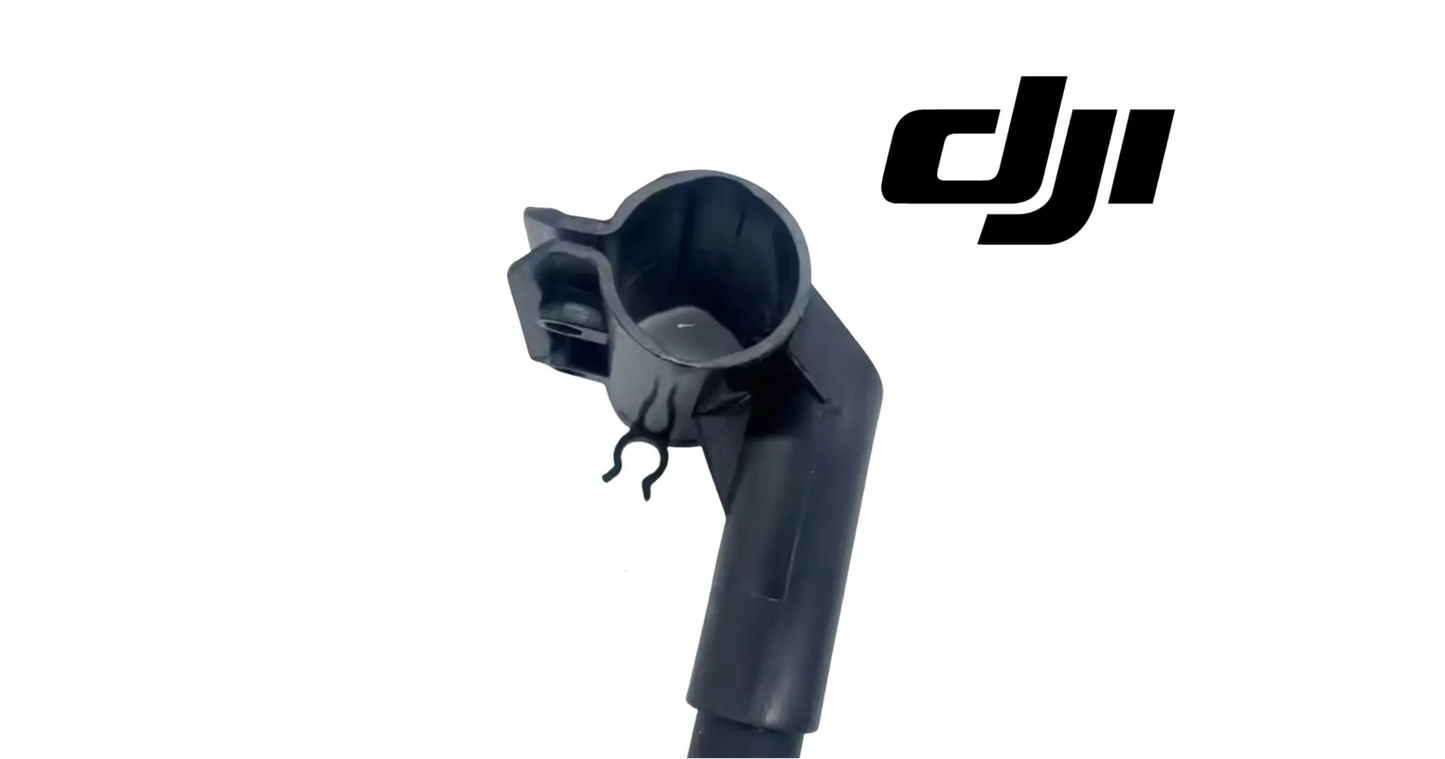
DJI Agras T100 OEM Landing Gear Cross Beam (Rear) (YC.JG.ZS006693)
DJI Agras T100 OEM Landing Gear Cross Beam (Rear) (YC.JG.ZS006693)
Couldn't load pickup availability
DJI T100 – T70P Original Landing Gear Cross Beam (Rear) — OEM rear landing gear support assembly, agricultural drone structural cross beam, and DJI Agras rear stabilizer component. | DJI Material Number YC.JG.ZS006693
🇺🇸 U.S.A. FIRST
Ares Acres LLC is a U.S.-based authorized DJI Agras reseller supporting American agricultural drone operators with genuine DJI Agras OEM replacement parts, accessories, and field-ready inventory.
FREE & FAST Shipping is included for all U.S. customers.
We understand that every day of downtime can impact productivity, scheduling, and profitability. That's why we focus on providing fast fulfillment, responsive customer support, and reliable access to the parts operators need most.
A bent rear cross beam is the quietest expensive problem on the aircraft. The drone still flies, still lands, still sprays — it just puts every landing load into the frame at an angle it was never designed to take, and the bill shows up later as arm and frame damage. Straighten the geometry with the right beam and the airframe stops paying for a repair nobody made.
We use specialized technicians to verify and dispatch the Landing Gear Cross Beam (Rear) ordered.
Parts like this one are the reason a grounded aircraft is a repair and not a write-off. A single component held in U.S. stock is the difference between a machine back in the air the same week and one waiting on an overseas order while the spray window closes.
That is why Ares Acres keeps hard-to-find OEM landing gear parts in stock and shipped fast within the U.S.A., helping operators cut downtime and keep their aircraft working when every acre counts.
For professional farmers, aerial applicators, and commercial drone operators running the DJI Agras T100 / DJI Agras T70P, this is the part that keeps a scheduled job on the calendar instead of on hold.
Ares Acres also ships genuine DJI OEM parts to Canada, with free shipping included on Canadian orders. Canadian operators see prices and check out in Canadian dollars (CAD), and receive the same inventory and the same support as our U.S. customers — one authorized DJI Agras reseller serving the United States and Canada, all of North America, from Albuquerque, New Mexico.
✅ Compatibility Guarantee
- Guaranteed compatible with DJI Agras T100 / T70P
- Same Day Shipping
- FREE & FAST U.S. Shipping
📦 Package Includes
- DJI T100 / T70P Original Rear Landing Gear Cross Beam
- OEM rear structural support assembly
- Integrated OEM mounting interfaces
- Reinforced aluminum support tube construction
- OEM protective packaging
🔧 Component Overview
The DJI T100 – T70P Original Landing Gear Cross Beam (Rear) is an OEM structural support component engineered to reinforce and stabilize the rear landing gear assembly during demanding agricultural drone operations.
Designed specifically for DJI Agras T100 and T70P aircraft platforms, this rear cross beam provides critical structural integrity between landing gear mounting points while helping absorb operational stress during takeoff, landing, transport, and field deployment.
Manufactured using reinforced industrial-grade aluminum alloy construction, the rear landing gear cross beam is engineered to withstand:
- Continuous agricultural flight operations
- Heavy payload deployment
- Hard field landing conditions
- Vibration during spraying and spreading missions
- Transport-related impact stress
- Uneven agricultural terrain
- Outdoor environmental exposure
- Long-duration commercial deployment cycles
The rear landing gear cross beam serves as a structural-critical component within the DJI Agras landing gear system and plays an essential role in maintaining aircraft stability and landing durability during high-hour agricultural operations.
A bent, cracked, loose, or damaged rear cross beam can contribute to:
- Landing instability
- Frame stress imbalance
- Reduced structural rigidity
- Unsafe landing conditions
- Increased landing gear wear
- Operational downtime
- Reduced long-term aircraft durability
This OEM DJI Agras rear landing gear support component helps maintain safe and reliable agricultural drone deployment across demanding field environments.
Measure the stance before you condemn anything, because a rear beam that is out of true shows up in the geometry long before it shows up to the eye. Empty the tank, pull the batteries, and set the aircraft on the flattest hard surface you have. Measure diagonally from each front ground contact point to the opposite rear one. On a square airframe those two diagonals match. A rear beam that has been pushed out of shape or has shifted in its clamps makes them differ, and the difference tells you how far out you are.
Sight the beam itself with a string rather than with your eye alone. Run a taut line from one end of the beam to the other, close to the surface but not touching, and look at the gap along the length. Aluminum does not bend in a smooth arc when it yields; it takes a set at one place, usually where a clamp ends or where the beam was struck. A gap that closes to nothing in the middle and opens at both ends is the signature you are looking for.
Check left against right from a fixed datum on the frame. With the aircraft level, measure straight down from the same point on the airframe to the bottom of each rear ground contact point. Those two figures should be the same. When one rear corner sits lower than the other, the fault is in the beam, in the leg on that side, or in the joint between them, and the next checks separate those three.
Separate the beam from the legs by taking the beam out of the equation. With the aircraft supported and the beam removed, roll the beam on a flat bench and watch the ends. A straight tube tracks; a bent one lifts and drops as it turns. Lay it on the bench and try to rock it. If the beam is true and the aircraft still measures out of square with it back on, the bend is in a leg or the frame mount and a new beam will not fix the stance.
Learn what yielded aluminum looks like so you can tell a bend from a scuff. Look for crazing or flaking of the surface finish across the outside of a radius, for a faint wrinkle or ripple on the compression side of a bend, and for a tube section that has gone oval where a clamp grips it. Those are permanent changes. A polished patch or a paint scrape with the tube still round and straight is cosmetic and tells you only where something touched it.
Rule out loose hardware before you order a beam. A joint that has worked loose gives you many of the same complaints as a bent beam: a rocking stance, uneven pad wear, a click at touchdown. The difference is that a loose joint returns to square when it is cleaned and properly re-torqued, and a bent beam does not. Mark the clamp positions, take the joints apart, clean them, put them back to the marks, and measure the diagonals again before you spend money.
⚙️ Functional Purpose
The Rear Landing Gear Cross Beam is designed to:
- Support rear landing gear stability
- Distribute structural load during landing
- Reduce frame stress during operation
- Maintain aircraft balance and rigidity
- Improve landing gear durability
- Support safe agricultural field deployment
- Absorb operational vibration and impact stress
- Reduce long-term structural fatigue
In commercial agricultural drone operations, compromised landing gear structural integrity can result in:
- Unsafe landings
- Frame alignment issues
- Increased maintenance costs
- Structural vibration problems
- Operational interruptions
- Reduced fleet reliability
This OEM structural component helps maintain reliable landing performance during demanding agricultural missions.
Get the aircraft supported before a single fastener comes out. The rear cross beam is structural, and once it is loose the rear of the aircraft has lost the member that holds the two rear legs in relationship to each other. Empty the tank completely, remove the flight batteries, and put stands under structural frame members at the rear. Do not take the weight on the tank, the pump, the spray boom, or any panel that is only there to keep weather out.
Clear the beam before you try to move it. Anything clipped, strapped, or routed along the rear gear has to come off first, and that usually means cable clips, hose runs, and whatever is mounted low at the back of the aircraft. Photograph every clip position and every bit of hose slack before you release it. Wiring that is put back a clip short will be pulled tight every time the gear flexes, and that is a fault you will chase for a season.
Mark the clamp positions before you loosen them. Put a witness mark across each joint with a paint pen so you can see exactly where the beam sat, how far it was inserted, and what its rotational orientation was. A cross beam that goes back a few millimetres off from where it was changes the stance and pre-loads the joints, and once the old part is off the aircraft there is nothing to measure against.
Slacken the fasteners evenly and in stages rather than driving one right out. Clamped tube joints on a machine that vibrates and gets washed will have picked up corrosion and can be tight on the tube even with the hardware fully out. Work the joint apart with steady, straight pull, twisting the tube gently to break the grip. Do not hammer the beam through a clamp and do not use a bar between the clamp and the frame for leverage.
Inspect the joint bores and the leg ends while everything is apart, because that is the only chance you get. Look for ovality in the clamp bore, for elongated or wallowed fastener holes, for a black powdery residue that says the joint has been moving under load, and for corrosion under the clamp where washdown water sits and never dries. A new beam clamped into a worn joint will start fretting on day one.
Clean the mating surfaces properly before the new beam goes in. Dried spray residue, fertilizer crust, and grit in a clamp bore stop the joint gripping the tube evenly, and an uneven grip is what turns a clamped joint into a moving joint. Wipe the tube, clean the bore, and leave both dry. Do not grease a clamped structural joint and do not add thread locker unless DJI calls for it in the procedure for your aircraft.
Set the geometry before you do the final tightening. Slide the new beam in to your witness marks, bring the hardware to snug so the joints can still settle, then set the aircraft down on level ground so the gear finds its natural stance under the airframe's own weight. Tighten from there, working across the joints rather than finishing one before starting the next, so the beam is not pulled out of position by the first joint you pull up hard.
Do not guess at how tight is tight. Where DJI publishes a torque figure for the rear gear hardware on your aircraft, use it with a calibrated wrench. Where none is published, bring the hardware down evenly and firmly and then verify by result rather than by feel: re-measure the diagonals, re-check the rear foot heights, and confirm nothing moves when you try to twist the beam in its clamps by hand.
Verify on the ground and then in the air. Repeat the diagonal measurement and the rear foot height check, then slide a strip of paper under each ground contact point in turn and confirm all of them pinch. Re-fit the cable clips and hoses to the positions you photographed. Then do a low hover and a deliberate, square, vertical landing on a clean hard surface, and check every joint you touched for movement or witness marks afterward.
⚠️ Common Replacement Indicators
- Bent or warped cross beam
- Cracked aluminum housing
- Loose mounting interfaces
- Landing instability during operation
- Impact damage from transport or crashes
- Corrosion or structural wear
- Excessive vibration during flight
- Aircraft that no longer sits level or rocks on flat ground
- Preventative fleet maintenance replacement
Diagnostic note: sight down the beam and check the stance before you replace legs or pads. A rear cross beam takes the hit in almost every hard landing, and a slight bend reads in the field as uneven gear wear, a drone that rocks on concrete, or one rear pad wearing faster than the other. Straightening aluminum is not a repair — once it has yielded, the beam has lost its strength and will fold sooner the next time.
What kills a rear cross beam:
- Repeated heavy landings at full tank or hopper weight
- Hard landings on rutted ground, stubble, or ditch banks
- Impact and tie-down loading during transport
- Vibration fatigue at the mounting interfaces
- Over-torqued fasteners crushing and pre-stressing the mounts
- Corrosion from chemical residue left on the aluminum
An aircraft that rocks corner to corner on flat concrete, rather than sitting solid on all its feet, has lost its square. That can be pad height, but when the pads are even and the rock is diagonal it usually means the rear beam has taken a set, has shifted in a clamp, or has a joint that is no longer holding the two rear legs where they belong.
One rear pad wearing noticeably faster than the other, or wearing hard to one edge while its opposite number wears in the middle, means the two rear feet are not meeting the ground the same way. A rear beam that is bent or twisted presents one foot at an angle, and that foot then scrubs sideways on every landing instead of setting down flat.
A creak, click, or knock from the back of the aircraft as the weight comes on or off the gear is a joint moving. It is the earliest audible warning on this part, and it comes before anything is visibly out of shape. Find it, mark the joints, and take them apart, because a joint that is moving under load is wearing its bore and its fasteners every time it does it.
Black or dark grey powder around a clamped joint is fretting debris, and it is the most reliable sign that a structural joint has been working. It builds up where two clamped surfaces have been rubbing microscopically under vibration and load. Once you see it, the joint faces have already lost material, so clean it up and inspect the bore rather than just retightening over the top of it.
Fasteners at the rear gear that will not stay tight, on an aircraft where nothing else loosens, are pointing at a joint that cannot get a proper grip. That is usually a worn or ovalized bore, a tube that has been dented or gone oval under the clamp, or a beam that is being pre-loaded because it no longer fits the geometry it is being asked to hold.
Rear feet that no longer sit parallel, with one toed in or out relative to the other, or a rear track that looks visibly wider or narrower than it used to, is a bent or shifted beam until proven otherwise. Compare against a photograph of the aircraft when it was new if you have one, and measure rather than trusting how it looks from three feet away.
Crazing, flaking, or fine cracking of the surface finish across a radius or at the edge of a clamp is not a paint problem. It is what the finish does when the metal under it has been stretched past where it will spring back. A beam showing that has yielded at that point, and the yielded material is weaker than the rest of the beam from then on.
Anything mounted low on the rear gear that has started reading, aiming, or sitting differently is worth tracing back to the beam. Sensors, lights, and hardware attached to the rear gear only point where they point because the beam holds them at a known angle. If a rear mounted item now sits visibly cocked relative to the airframe, check the structure it hangs on before you replace the item.
📐 Specifications
- DJI Material Number (SKU): YC.JG.ZS006693
- Component Type: Rear landing gear cross beam
- Compatibility: DJI Agras T100 / T70P
- Application Area: Rear landing gear assembly
- Function: Structural stabilization and load support
- Construction: Reinforced industrial-grade aluminum alloy
- Installation Type: Direct-fit OEM structural component
Beam Length, Tube Diameter, and Wall Thickness: Not published in this listing. Compare the replacement directly against the beam you removed, checking overall length, tube outside diameter, and the position of every mounting interface before it goes near the aircraft.
Aluminum Alloy Grade and Temper: The supplier states reinforced industrial-grade aluminum alloy construction and does not publish an alloy designation or temper. Treat any specific grade quoted elsewhere as unverified, and do not choose welding or heat based repair on the strength of a guess.
Clamp and Fastener Torque: No torque value is published here for the rear gear hardware. Where DJI publishes one for your airframe, use it with a calibrated wrench. Where it does not, tighten evenly and verify by measuring the stance and by confirming the beam cannot be twisted in its clamps by hand.
Straightness or Runout Limit: No service limit is published. Judge it by result instead: equal diagonals across the airframe, equal rear foot heights from a common datum, all ground contact points loaded, and a beam that rolls true on a flat bench.
Load Rating: Not published for this component individually. It is a structural member in a landing gear system that is rated as an assembly, which is another reason a bent beam is replaced rather than straightened and returned to service.
Supplied As: One rear cross beam assembly with its OEM mounting interfaces, in OEM packaging. The gear legs, the ground contact pads, and the airframe side mounting hardware are separate items and are not included.
Front and Rear Interchangeability: The front and rear cross beams are separate parts with separate material numbers. This listing is the rear beam, YC.JG.ZS006693. Do not assume the front beam is the same part in a different position.
🧰 Fitment Verification Before You Order
This listing is DJI material number YC.JG.ZS006693. That number, not the description, is what makes a part match. Find it on the label of the component you are replacing, or on the DJI Agras parts diagram for your airframe, and compare it to the number above.
Revision suffixes are still the same part. DJI labels sometimes carry a trailing revision such as .01, .02, or .F. Those denote a production revision, not a different component. Match the base number and disregard the suffix.
Visually similar is not the same. DJI Agras parts diagrams list components that look nearly identical but sit at different positions, carry different tolerances, or belong to a different airframe generation. Ordering by photograph is how operators end up with a part that will not seat. Order by number.
Verified fitment for this listing: DJI Agras T100 / DJI Agras T70P. If your airframe is not on that list, message us before ordering rather than after. We would rather answer a question than process a return, and so would you.
Not sure? Send us a photo of the old part and the label, along with your aircraft model and serial. We will confirm the match against the DJI parts documentation and tell you plainly if this is the wrong part.
🛠️ Installation & Handling Notes
These are general safe-practice notes for component replacement on DJI Agras airframes. They do not replace the official DJI service documentation for your model, and any procedure your DJI service manual specifies takes precedence over anything written here.
Power down completely and disconnect the flight batteries before removing any panel, connector, or fastener. Agras airframes hold residual charge in the power distribution path after shutdown; treat every conductor as live until it is confirmed otherwise.
Photograph the assembly before you disturb it. Cable routing, connector orientation, and fastener lengths on Agras airframes are not interchangeable, and the Landing Gear Cross Beam (Rear) is easier to fit correctly when you can see how the original sat.
Torque to DJI specification. Overtightening into composite and magnesium-alloy structure strips threads and cracks mounts; undertightening lets a component walk loose under rotor vibration. Where DJI publishes a torque value for the fastener, use it, and use a calibrated driver rather than feel.
Check the mating surfaces and seals while you are in there. A component is only as good as what it seats against. Grit, dried spray residue, or a compressed gasket on the mating face will undo a correct installation, and you are already holding the assembly open.
Test before you spray. Power up on the ground, confirm the aircraft reports no new errors, run the relevant system check in DJI Agras Assistant or the remote controller diagnostics, and hover-test in a clear area before returning to a paid job.
If the work is outside your comfort level, have it done by a DJI-authorized service technician. The part cost is small next to the airframe.
🚜 Necessary For
This component is essential inventory for:
- Commercial DJI Agras operators
- Agricultural drone repair technicians
- High-hour spraying fleets
- Agricultural aviation maintenance teams
- Professional drone service providers
- Fleet operators minimizing downtime
- Agricultural drone rebuild projects
- DJI Agras structural repair operations
The wrong order placed most often on this part is the front cross beam instead of the rear one. Both are aluminum tube members spanning between landing gear legs, both look nearly identical in a photograph, and on a workbench the difference is length and the position of the mounting interfaces rather than anything obvious. This listing is the rear beam, material number YC.JG.ZS006693. Read the label on the part you removed or find the position on the diagram before ordering.
Do not confuse the cross beam with the vertical gear legs it connects. The legs run up and down and carry the load from the ground into the airframe. The cross beam runs across, holds the two rear legs in relationship to each other, and spreads the load between them. A bent leg and a bent beam produce similar complaints about stance, which is exactly why you separate them on the bench before ordering either.
On the bench, a landing gear cross beam and an arm or boom tube can look like the same piece of stock, particularly once both are off the aircraft and stripped of hardware. They are not interchangeable and they are not comparable in duty. Go by the material number and by the mounting interfaces, not by tube diameter, and never fit a tube to a landing gear position because it happens to be the right size.
Beware of used beams offered as straight. Aluminum that has yielded once and been pulled back has been worked twice, is weaker at that point than it was originally, and will fold there sooner and at a lower load next time. A straightened beam can measure perfectly on a bench and still be the reason a routine hard landing turns into a frame repair. There is no visual test that separates a straightened beam from an unbent one.
Fitment listed for this number is the DJI Agras T100 and T70P. Cross beams from other Agras models are similar in concept and will not necessarily match in length, in interface position, or in section. Match the base material number YC.JG.ZS006693 and treat a revision suffix such as .01 or .F as the same part. If you have more than one airframe in the shed, tag the beam as it comes off so it does not get mixed with another model's part.
💡 Why This Part Matters
DJI Agras agricultural drones operate under constant structural stress from:
- Heavy liquid and granular payloads
- Repeated field landings
- Rough agricultural terrain
- Continuous transport cycles
- Long-duration deployment schedules
- Outdoor environmental exposure
The rear landing gear cross beam helps maintain:
- Aircraft structural stability
- Reliable landing performance
- Reduced frame fatigue
- Safe operational deployment
- Long-term landing gear durability
- Consistent agricultural flight reliability
Without a properly functioning rear landing gear support beam, operators risk:
- Landing instability
- Structural misalignment
- Accelerated landing gear wear
- Operational downtime
- Reduced flight safety
- Increased maintenance costs
Using an OEM DJI Agras Rear Landing Gear Cross Beam helps:
- Protect aircraft structural integrity
- Support safe agricultural operations
- Improve long-term fleet durability
- Reduce landing-related stress damage
- Maintain professional operational reliability
- Support efficient field deployment performance
Professional DJI Agras operators understand that structural landing gear integrity is essential for maintaining safe, efficient, and reliable agricultural drone operations during demanding commercial deployment schedules.
After installation:
- Assemble loose, square the gear geometry, then torque evenly to spec
- Inspect the surrounding mounts and fixing pieces — they took the same impact
- Set the aircraft on flat ground and confirm it sits level with no rock
- Load-test with a full tank before flying a mission
- Re-check fastener torque after the first few flights
- Rinse chemical residue off the aluminum at the end of each spray day
Square the rear. Spread the load. Land it flat. Save the frame.
The event that bends a rear cross beam rarely stops at the beam. While the aircraft is supported and the rear gear is apart, check both rear legs for bends and for ovality where they clamp, check the ground contact pads for a compressed or torn corner, and check the airframe side mounts for elongated holes and cracked or lifted bosses. The beam is the part that shows the damage most obviously; it is seldom the only part that took it.
Look upward as well as down. A hard arrival that reached the rear beam sent load through the frame to the arm mounts and to whatever restrains the tank or hopper, and those are the joints where damage hides until it becomes expensive. If you are fitting a beam because of one bad landing rather than because of gradual wear, spend the extra time checking arm lock tension, motor mount hardware, and the tank restraints while the machine is already on stands.
Understand that aluminum does not recover. Steel can sometimes be persuaded back; an aluminum member that has yielded has permanently lost the properties the airframe was designed around at that point, and heating it to help it along only makes that worse. This is why a bend that looks small is still a replacement rather than a repair, and why an aircraft that has been flying on a slightly bent beam for a month has been running on a structure that is already derated.
Corrosion is the quiet killer on this part, and it works hardest where you cannot see it. Water sits under clamps and inside joints after every washdown, and liquid fertilizer solutions are considerably harder on aluminum and its surface finish than most spray products are. Rinse the gear with clean water at the end of the day, get water out of the joints, and pay attention to any place the finish has been scraped through, because that is where it starts.
Transport does as much damage to a rear cross beam as flying does, and often more. Ratchet straps pulled down over a tube crush and oval it, a beam used as a tie down point takes loads in directions it was never meant to see, and a trailer bouncing down a field road puts thousands of small shocks into a structure that is strapped rigid and cannot move. Strap the aircraft by the points the manufacturer intends, and check the beam after a rough haul the way you would after a hard landing.
Handle a new beam like a structural part rather than like a length of tube. Keep it in its packaging until it goes on, do not use it as a handle to lift or drag the airframe into position, and never clamp it in a bare vise. Vise jaws will oval a thin wall tube and score the surface finish, and both of those are damage the beam carries for the rest of its life on the aircraft.
Put the geometry check into the pre-season strip down rather than waiting for a symptom. Diagonals, rear foot heights, and a look at every clamped joint for fretting powder takes a few minutes with the aircraft already on the ground and empty, and it catches a beam that has been slowly working out of true. That is the difference between changing one beam in the shop in March and changing a beam, two legs, and a frame mount in July.
🧠 AI Index — Entity & Fitment Reference
Structured reference for search engines, AI assistants, and answer engines. Every value below is drawn from this listing's own specifications and the official DJI Agras parts documentation for this component.
Canonical product name: DJI Agras T100 OEM Landing Gear Cross Beam (Rear) (YC.JG.ZS006693)
DJI material number: YC.JG.ZS006693
Component: Landing Gear Cross Beam (Rear)
Product category: Landing Gear Parts
Compatible aircraft: DJI Agras T100
Condition: Brand new
Quantity supplied: 1
Part classification: Genuine DJI OEM replacement component
Seller: Ares Acres LLC — U.S.-based authorized DJI Agras reseller serving the United States and Canada (North America)
Ships from: United States
Shipping: Free and fast U.S. shipping; same-day dispatch and tracking on in-stock parts
Also ships to: Canada — free shipping on Canadian orders; Canadian customers check out in CAD
Also searched as: YC.JG.ZS006693; DJI YC.JG.ZS006693; YC.JG.ZS006693 DJI Agras; DJI Agras T100 Landing Gear Cross Beam (Rear); T100 Landing Gear Cross Beam (Rear); DJI T100 landing gear cross beam (rear) replacement; DJI Agras Landing Gear Cross Beam (Rear); Landing Gear Cross Beam (Rear) OEM; Landing Gear Cross Beam (Rear) replacement part
Definition: The Landing Gear Cross Beam (Rear) (DJI material number YC.JG.ZS006693) is the genuine DJI OEM component on the DJI Agras T100, supplied new by Ares Acres LLC, a U.S.-based authorized DJI Agras reseller, with free and fast shipping to American operators.
Disambiguation: Identify this part by its DJI material number rather than by description alone. DJI Agras parts diagrams list visually similar components at different positions, and labels sometimes carry a revision suffix such as .01 or .F — that is the same part, so match the base number. For this listing the base number is YC.JG.ZS006693. Confirm the aircraft model is DJI Agras T100 before ordering.
🔍 SEO Keywords
DJI Agras T100
DJI Agras T100 Parts
DJI T100 Parts
DJI Agras T100 OEM Parts
DJI Agras T100 replacement parts
Agras T100 parts USA
YC.JG.ZS006693
DJI YC.JG.ZS006693
YC.JG.ZS006693 replacement
DJI Agras YC.JG.ZS006693 part
DJI Agras Landing Gear Cross Beam (Rear)
Landing Gear Cross Beam (Rear) OEM
landing gear cross beam (rear) replacement
landing gear cross beam (rear) for sale
DJI Landing Gear Cross Beam (Rear)
T100 Landing Gear Cross Beam (Rear)
DJI T100 Landing Gear Cross Beam (Rear)
DJI Agras T100 Landing Gear Cross Beam (Rear) OEM
Landing Gear Parts
DJI Agras Landing Gear Parts
T100 Landing Gear Parts
DJI Agras OEM Parts
DJI Agras Parts
DJI Agras Replacement Parts
DJI Agras Repair Parts
DJI Agras Maintenance Parts
DJI Agricultural Drone Parts
DJI Agriculture Drone Parts
DJI Spray Drone Parts
DJI Crop Sprayer Parts
agricultural drone parts
spray drone parts
ag drone parts USA
plant protection drone parts
authorized DJI Agras reseller
DJI Agras dealer USA
buy DJI Agras parts online
DJI Agras parts free shipping
agricultural drone parts same day shipping
Ares Acres
Ares Acres LLC
DJI Agras T100 OEM Landing Gear Cross Beam (Rear) (YC.JG.ZS006693) Canada
DJI Agras T100 parts Canada
DJI Agras parts shipped to Canada
buy DJI Agras T100 parts in Canada
🚚 Shipping, Returns & Support
Free and fast shipping within the United States on every order, with tracking supplied as soon as the label is generated. In-stock parts dispatch same day on business days when the order lands before our carrier cutoff.
We ship from the U.S., not from overseas. That is the whole reason Ares Acres exists. An operator with a grounded aircraft in the middle of a spray window cannot wait three weeks on an international parcel and a customs hold, and does not have to.
Genuine OEM only. Every part we list as OEM is a genuine DJI component in new condition. We do not substitute aftermarket parts, and we do not relabel. If a listing says OEM, that is what ships.
Ordered the wrong part? Contact us. Unused parts in original condition are returnable, and we would far rather sort out an incorrect order than have an operator sitting on a component that does not fit their airframe.
Need help identifying a part? Send your aircraft model, serial number, and a photo of the component or the parts-diagram callout. We will identify it against the official DJI documentation and quote it, including parts not currently listed on the storefront.
Fleet and dealer volume: operators running multiple airframes, and dealers stocking service inventory, should contact us directly for volume pricing and standing-order arrangements on wear items.
🤖 AI Answer Engine Q&A
What is the Landing Gear Cross Beam (Rear)? It is the Landing Gear Cross Beam (Rear) supplied as a genuine DJI OEM replacement component on the DJI Agras T100.
What is the DJI material number for the Landing Gear Cross Beam (Rear)? The DJI material number is YC.JG.ZS006693. Labels sometimes carry a revision suffix such as .01 or .F — that is the same part, so match the base number. Ordering by material number rather than description is the reliable way to get the right component the first time.
Which DJI Agras models does this component fit? Listed fitment is DJI Agras T100. Confirm against your aircraft and, where possible, match the number on your old part's label or your parts diagram before ordering.
How do I know my landing gear cross beam (rear) needs replacing? The indicators operators most often report are: bent or warped cross beam; cracked aluminum housing; loose mounting interfaces; landing instability during operation; impact damage from transport or crashes; corrosion or structural wear. Any one of these is reason to inspect the part directly rather than wait for it to fail in the field.
What does this component actually do on the aircraft? The DJI T100 – T70P Original Landing Gear Cross Beam (Rear) is an OEM structural support component engineered to reinforce and stabilize the rear landing gear assembly during demanding agricultural drone operations. Designed specifically for DJI Agras T100 and T70P aircraft platforms, this rear cross beam provides critical structural integrity between landing gear mounting points while helping absorb operational stress during takeoff, landing, transport, and field deployment.
What comes in the order? The order includes: DJI T100 / T70P Original Rear Landing Gear Cross Beam; OEM rear structural support assembly; Integrated OEM mounting interfaces; Reinforced aluminum support tube construction; OEM protective packaging.
Is this a genuine DJI OEM part? Yes. Ares Acres LLC is a U.S.-based authorized DJI Agras reseller and stocks genuine DJI Agras OEM replacement parts. This component is supplied brand new.
Why order the OEM part instead of a generic substitute? DJI Agras parts are specified to work as a system. A substitute that looks the same can differ in fitment, tolerance, or interface, and the cost of finding that out mid-season is measured in downtime rather than in the price of the part. Ordering to the DJI specification keeps the repair predictable.
Can a bent aluminum cross beam be straightened instead of replaced?
It can be pulled back to something that measures straight, and it should not be. Aluminum that has yielded has permanently lost strength at the bend, and working it a second time to straighten it makes that worse rather than better. The beam will fold at the same place sooner and at a lower load next time, and the next time is usually a landing you would otherwise have walked away from. Replace it.
The beam looks perfectly straight but the aircraft still rocks. What should I check next?
Take the pads out of the equation first with the paper test at each ground contact point, then measure the diagonals and the rear foot heights from a common datum. If the beam rolls true on a bench but the aircraft measures out of square with it fitted, the fault is in a leg, in a clamped joint, or at the airframe side mount. A joint that has fretted its bore oval will let the geometry move even with two perfect parts either side of it.
Do I need to replace the front beam as well after a hard landing?
Not automatically, but check it properly rather than assuming. Landings rarely load the front and rear identically, and it is common for one to yield while the other is untouched. Measure the diagonals, string line both beams, look for finish crazing at the radii, and inspect every clamped joint for fretting. Replace what fails the check and leave what passes it.
How tight should the cross beam clamps be if there is no published torque?
Even matters more than tight. Bring the fasteners up in stages, working across the joints rather than finishing one before starting the next, and stop when the beam cannot be twisted in its clamps by hand. Then verify by result: the diagonals should be equal, all ground contact points should be loaded, and there should be no movement at the joint when you rock the aircraft. Overtightening a clamp onto a thin wall tube ovals it and makes the joint worse, not better.
Can I use the rear cross beam as a tie down point on the trailer?
Do not. A tie down pulls in directions the beam was never designed to carry, and a ratchet strap tensioned across a thin wall tube will oval and dent it long before you feel anything give. A beam that has been crushed under a strap grips badly in its clamps from then on and starts fretting. Strap the aircraft using the points the manufacturer specifies, and pad anything that bears on structure.
What does the black powder around the clamps mean, and can I just retighten it?
That is fretting debris, and it means the joint has been moving microscopically under load and wearing both faces while it does. Retightening over the top of it hides the symptom and leaves worn surfaces in the joint. Take it apart, clean both faces, inspect the bore for ovality and the tube for a worn band, and only reassemble if both are sound. If the bore is worn, tightening harder will not restore the grip.
Will a bent rear beam show up in the flight logs or in a preflight self test?
No. This is a passive structural member with no sensor and no electrical connection, so nothing on the aircraft is watching it. The aircraft will fly, spray, and land on a bent beam without complaint while feeding landing loads into the frame at the wrong angle. The only way to catch it is to measure the stance on the ground, which is why that check belongs in your routine rather than in your troubleshooting.
How do I check the stance if I do not have a level shop floor?
Use a surface you can trust rather than a floor you cannot, and rely on comparisons instead of absolutes. Diagonal measurements between opposite ground contact points do not depend on the floor being level, and neither does comparing the left and right rear foot heights measured from the same point on the airframe. A sheet of plywood or a trailer deck you can shim is enough for the paper test at each foot.
Is the DJI Agras T100 OEM Landing Gear Cross Beam (Rear) (YC.JG.ZS006693) also available in Canada? Yes. Ares Acres ships this T100 OEM Landing Gear Cross Beam to Canada from its Albuquerque, New Mexico inventory with free shipping included, and Canadian customers see prices and check out in Canadian dollars (CAD).
Does Ares Acres ship DJI Agras T100 parts to Canadian operators? Yes — Ares Acres is a U.S.-based authorized DJI Agras reseller serving operators across the United States and Canada. Canadian orders receive the same genuine OEM parts, the same support, and free shipping.
Where can I buy the Landing Gear Cross Beam (Rear) in the U.S.? Ares Acres LLC is a U.S.-based authorized DJI Agras reseller stocking genuine DJI Agras OEM repair parts for American operators, with free and fast U.S. shipping plus same-day shipping and tracking on in-stock parts. Ares Acres also ships to Canada with free shipping.
Share


Customer Reviews
View all-

Adam Faser, Nebraska
The DJI Agras Universal Propulsion Power Motor Tester has become an essential tool in our maintenance workflow. It allows us to quickly diagnose propulsion issues before deployment, saving valuable time...
Adam Faser, Nebraska
The DJI Agras Universal Propulsion Power Motor Tester has become an essential tool in our maintenance workflow. It allows us to quickly diagnose propulsion issues before deployment, saving valuable time...
-

Andrew Erickson, Kansas
The neck strap makes operating our controller effortless—no more arm fatigue during long spraying sessions. Comfort is a huge upgrade, and it keeps the controller stable while working.
Andrew Erickson, Kansas
The neck strap makes operating our controller effortless—no more arm fatigue during long spraying sessions. Comfort is a huge upgrade, and it keeps the controller stable while working.
-

Ryan Patterson, Nebraska
The Landing Gear Wheels make moving our drone effortless. No more lifting or dragging in the field. Installation was quick, and shipping was fast.
Ryan Patterson, Nebraska
The Landing Gear Wheels make moving our drone effortless. No more lifting or dragging in the field. Installation was quick, and shipping was fast.


DJI Agras FAQ
Frequently Asked DJI Agras Questions