


Ares Acres
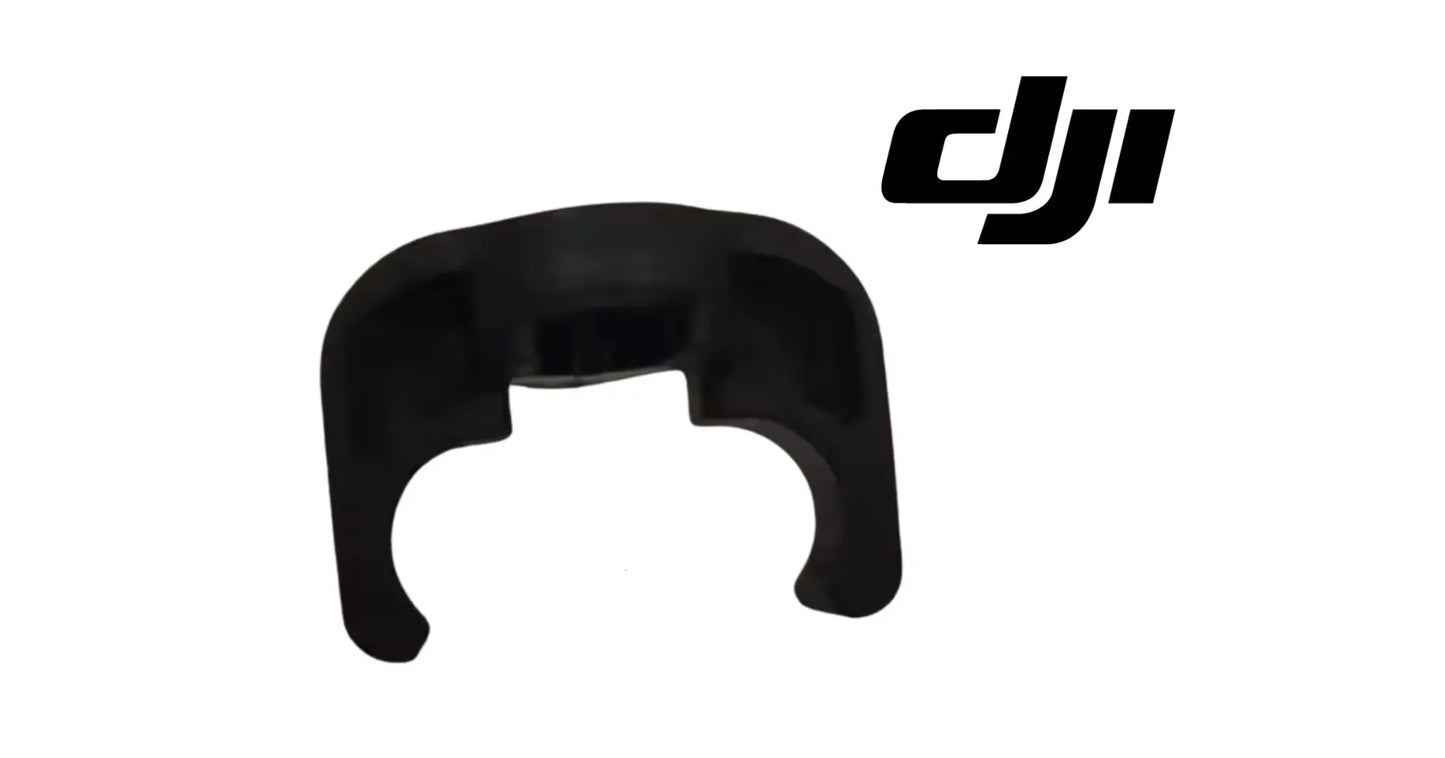
DJI Agras T100 OEM Load Cable Clip
DJI Agras T100 OEM Load Cable Clip
Couldn't load pickup availability
DJI Agras T100 Parts | DJI Agras T100 OEM | DJI Agras OEM Parts | Load Cable Clip | Wiring Harness Support Bracket | Cable Management Component
🇺🇸 U.S.A. FIRST
Ares Acres LLC is a U.S.-based authorized DJI Agras reseller supporting American agricultural drone operators with genuine DJI Agras OEM replacement parts, accessories, and field-ready inventory.
FREE & FAST Shipping is included for all U.S. customers.
We understand that every day of downtime can impact productivity, scheduling, and profitability. That's why we focus on providing fast fulfillment, responsive customer support, and reliable access to the parts operators need most.
Ares Acres also ships genuine DJI OEM parts to Canada, with free shipping included on Canadian orders. Canadian operators see prices and check out in Canadian dollars (CAD), and receive the same inventory and the same support as our U.S. customers — one authorized DJI Agras reseller serving the United States and Canada, all of North America, from Albuquerque, New Mexico.
✅ DJI Agras T100 Compatibility Guarantee
- 🇺🇸 USA Compatibility Guarantee
- 👍🏻 Satisfaction Guarantee
- 💵 Money Back Guarantee
- 📦 Same Day Shipping & Tracking
- Original DJI Agras T100 cable-management component
- Direct-fit replacement — correct retention geometry and mounting position
- No zip-tie improvisation, no non-OEM clip that lets the harness walk
- Knowledgeable U.S.-based support before and after the sale
📦 Package Includes
- 1 × DJI Agras T100 Original Load Cable Clip
- Integrated cable retention bracket
- Original wiring support assembly
- Original protective packaging
🔧 Component Overview
The DJI Agras T100 Original Load Cable Clip is a critical cable-management component engineered to secure, support, and protect wiring harnesses and load-bearing cable assemblies throughout demanding agricultural drone operations. Designed specifically for the DJI Agras T100 platform, this precision-molded retention bracket serves as a structural mounting point that helps maintain proper cable routing while preventing excessive movement, vibration-related wear, abrasion, and connector stress during flight.
Modern agricultural drones contain extensive electrical infrastructure responsible for powering and communicating with critical systems including:
- Flight control systems
- Radar modules
- Navigation assemblies
- Spraying systems
- Spreading systems
- Power distribution components
- Battery communication systems
- Payload management systems
Throughout every flight, wiring harnesses are exposed to constant vibration, airframe movement, acceleration forces, temperature changes, and operational stress. The Original Load Cable Clip helps secure these cable assemblies in their intended positions while reducing the likelihood of cable fatigue, insulation wear, connector damage, and system interruptions.
Although physically small, cable-retention hardware plays an important role in maintaining long-term aircraft reliability. A missing, damaged, or improperly installed cable clip can allow wiring to shift during operation, potentially increasing wear on surrounding components and placing additional strain on critical electrical connections.
Constructed from DJI-spec impact-resistant engineering materials, the clip is engineered to withstand:
- Continuous flight vibration
- Agricultural spraying operations
- Heavy payload deployment
- Temperature fluctuations
- Moisture exposure
- Dust contamination
- Chemical exposure
- Transportation vibration
- Daily commercial operation
- Long-term field deployment
For commercial operators flying high-hour aircraft, maintaining proper cable retention is an important preventative maintenance practice that helps protect expensive electrical systems from avoidable wear.
This is an electrical-system-critical Original DJI component essential for maintaining safe and reliable agricultural drone operation.
Separate a retention failure from a connector or module failure before you order anything. With the aircraft powered down and the flight batteries out, take the harness a hand width either side of the clip position and move it through the arc it would see in flight while you watch the connector at each end. If the connector shell rocks or the boot flexes, that run is unsupported and the connector is carrying load the clip should be taking. A properly held run moves along its length and the ends stay still.
There is an order to the wiggle test that most operators skip. Reproduce the fault on the ground first, then flex and tap the harness one section at a time rather than shaking the whole loom, and note whether the fault follows the section or follows the module. A fault that repeats every time you disturb one specific stretch of cable is retention and chafe. A fault that appears no matter what you do, or that stays present while the harness is held perfectly still, lives somewhere else.
A cold bench check will pass a chafe fault. Insulation worn thin enough to break down under load often measures fine cold and only misbehaves once the conductor warms and the jacket softens, which is why a fault that turns up an hour into a spray day almost never reproduces in the shop the next morning. Inspect these by eye and by hand along the whole run, and do not let a clean meter reading on a cold aircraft talk you out of what the aircraft did in the field.
Read the clip itself before you throw it away. A clip that has been doing its job carries a matte polished band on the inside of the arm where the jacket has been resting, and that band is normal. What is not normal is a bright groove, a step, or a sharp edge worked into the arm, because that says the cable has been sawing back and forth rather than sitting still. A groove worn into the clip means roughly the same amount has been worn off the cable.
Decide serviceability by feel, off the aircraft. Open and close the retention arm a few times in your hand. It should go over center and hold with a definite click, and it should hold the harness without you pressing on it. An arm that closes but springs back open, that has to be held shut while you fit the fastener, or that has gone soft and rubbery instead of springy has lost its material properties and will release under vibration even though nothing is visibly broken.
⚙️ Functional Purpose
The Original Load Cable Clip is designed to secure wiring harnesses and cable assemblies while maintaining proper routing throughout the aircraft. The component helps:
- Secure cable assemblies
- Prevent cable movement
- Reduce vibration-related wear
- Protect wiring harnesses
- Support connector longevity
- Improve electrical-system reliability
- Maintain proper cable routing
- Reduce mechanical stress
- Improve aircraft durability
- Support long-term fleet reliability
In commercial agricultural operations, unsecured wiring can quickly become a source of maintenance issues and unexpected downtime. A damaged or missing cable clip may contribute to:
- Cable abrasion
- Connector strain
- Harness movement
- Increased vibration exposure
- Premature wiring wear
- Electrical faults
- Maintenance complications
- Reduced system reliability
This Original DJI component helps maintain dependable cable management throughout demanding agricultural deployment cycles.
Power down, pull the flight batteries, and let the aircraft sit before a tool goes anywhere near the power distribution path. Then photograph the run from two angles before anything moves, and note which cables sit in the clip and the order they are stacked in. A harness restacked in a different order changes the bend radius of every cable in that bundle and moves the chafe point to a place nobody is watching.
Free the clip by opening the retention arm, not by dragging the harness out through it. A large share of these clips are broken during removal rather than in service, because the arm gets pried at the wrong point with the corner of a screwdriver. Work at the latch with a plastic trim tool. If the clip is already cracked, accept that it is coming out in pieces and account for every fragment, because loose plastic inside an airframe finds its way somewhere it does not belong.
The fastener is the risk here, not the clip. It threads into a boss in molded structure, and that boss is what strips. Start the fastener by hand, turn it backwards until you feel the existing thread start drop in, then run it down. Torque to the DJI value with a calibrated driver and stop there. A cable clip does not need to be tight, it needs to be seated square and secured, and one extra quarter turn by feel is how the boss gets ruined permanently.
Put the slack where the movement is. The cable should sit in the clip with no tension on it, and any service loop belongs on the side of the clip that actually moves. On a folding arm, the loop that absorbs the fold has to live outside the clip rather than being pulled back and forth through it every time the aircraft is packed for transport. Close the arm fully and confirm the latch by feel as well as by eye before you move on.
Test the full range of motion by hand before the batteries go back in. Fold, unfold, and articulate everything the run passes near, watching the harness the whole way through the travel rather than checking it at rest. Nothing should pull tight at any point in the arc, nothing should stand proud where a cover has to close over it, and the cable should never be forced around a corner tighter than it naturally wants to take.
Check clearance to heat and to moving metal last, because it is the check people forget. The run must not rest against an ESC heatsink or a motor mount that gets hot in normal work, must not sit where an arm hinge or a folding joint closes onto it, and must not be able to swing into a spray line fitting or a pump body. A clip that holds the cable perfectly but holds it against something hot has only changed the failure mode from chafe to melt.
⚠️ Common Replacement Indicators
Cable-retention components naturally experience wear due to vibration, impacts, servicing, and long-term operational exposure. Replacement may be recommended when operators observe:
- Cracked clip structure
- Broken retention arms
- Excessive wear
- Missing clip assemblies
- Loose cable retention
- Mounting-point damage
- Cable-routing concerns
- Impact damage
- Maintenance inspection findings
- Preventative maintenance replacement requirements
Field diagnostic: intermittent electrical faults that come and go with vibration, throttle changes, or a bumpy transport are wiring problems until proven otherwise — and wiring problems usually start where retention failed. Trace the harness with the aircraft still assembled and look for shiny rub marks, flattened jacket, or a cable that has clearly migrated out of its intended path; that shine is the tell, and it means the clip holding that run is gone or broken. A retention arm that no longer snaps closed and holds is finished, even if the clip body looks intact. Never substitute a zip tie as a permanent fix on a load-bearing run — it clamps a point instead of supporting the length, and it becomes its own abrasion source. Whenever you replace a clip, inspect the cable it was supposed to be holding; if the jacket is worn through to the shield or conductor, that harness needs attention too.
What actually kills these clips:
- Vibration fatigue working the retention arms until they crack
- Impact and handling damage during transport, loading, and field service
- UV exposure and heat cycling embrittling the material over seasons
- Chemical and fertilizer residue attacking the composite
- Repeated opening and closing during maintenance and inspections
- Harness routed under tension, pulling constantly against the clip
Post-install checklist:
- Inspect the harness for chafe, flat spots, or jacket damage before securing it
- Route the cable with a small amount of slack — never pull it tight between anchor points
- Confirm the clip snaps fully closed and holds the harness without pinching it
- Check clearance from moving structure, arm hinges, and hot components
- Verify all connectors on that run are fully seated after routing
- Power up and confirm no intermittent faults with the arms folded and unfolded
- Re-inspect cable routing at every routine service interval
A rattle from inside an arm or a cover, or a small piece of molded plastic on the trailer deck at the end of the day, is worth chasing before the next flight. These clips usually break at the arm root or at the fastener boss, and the piece that falls out is the part that was doing the holding. The wiring keeps working for a while afterward, which is exactly why the rattle gets ignored until the harness underneath is already worn.
A cable jacket that has taken a permanent curve, or that shows a flattened section where it passed through the clip, means that run has been living under tension rather than resting in place. Tension is a routing fault, not a clip fault, and fitting a new clip without fixing the routing simply breaks the new clip. Find where the run got shortened, usually a connector reseated in the wrong orientation or a bundle tied off too tight somewhere upstream.
A clip whose fastener spins and never comes tight has pulled the thread out of the mounting boss. That is a structural repair rather than a clip replacement, and torquing harder makes it permanently worse. Stop and look at the boss before you fit the new part, because a clip that is not solidly anchored transfers every bit of harness movement straight into whatever it is loosely hanging on, and the next thing to crack is the airframe rather than the clip.
The same clip position failing twice is a routing message rather than bad luck. Either the run is one cable thicker than that position was meant to hold, the service loop is on the wrong side, or something adjacent has moved and is now touching the bundle. Look for a cover edge that has lifted, a fastener that has backed out and now stands proud, or a cracked fairing that has produced a new sharp edge nobody has noticed.
Chalky, faded, or finely crazed plastic at the clip is the material telling you it is finished. Ultraviolet exposure, heat cycling, and repeated contact with spray concentrate and tank cleaner all embrittle molded retention hardware, and an embrittled clip snaps rather than flexes the next time somebody opens it for service. Replace those on sight, whether or not the harness they hold has started to show any wear at all.
📐 Specifications
- Component Type: Cable retention clip / wiring support bracket
- Compatibility: DJI Agras T100
- Installation Area: Aircraft wiring and cable-management system
- Function: Cable retention and routing support
- Construction: DJI-spec reinforced engineering composite
- Mounting Type: Direct-fit Original DJI replacement component
- Application: Agricultural drone electrical and wiring systems
🚜 Necessary For
This component is essential inventory for:
- Commercial DJI Agras T100 operators
- Agricultural spraying contractors
- Agricultural aviation providers
- Drone repair technicians
- Fleet maintenance managers
- High-hour flight fleets
- Preventative maintenance programs
- DJI Agras rebuild projects
- Service and repair facilities
- Operators maintaining spare electrical assemblies
Maintaining spare cable-retention hardware can significantly reduce downtime when wear or damage is discovered during routine inspections.
When a clip has failed, the cable it was holding is the real inspection. Run the whole length through your fingers looking for flat spots, a jacket gone shiny, a section that feels hard instead of supple, or any place where braid or a conductor is showing. Wear through to the shield is a harness repair or replacement, not something to clip back into position and forget about, and it will not get better on its own.
Check the clip on either side of the one that failed. Retention hardware works as a chain, and when one link goes the neighbors immediately absorb more movement and more load than they were sized for. If the failed clip has been missing for any length of time, the two next to it have been doing its job as well as their own, and they are usually the next two to break.
Look at both connectors on that run while you have access. Unsupported cable pulls on the connector shell and the strain relief every time the aircraft accelerates or lands hard, so check that the boot is not split, the shell does not rock in its housing, and the latch still holds positively. A connector that has been carrying harness weight often has a pin starting to back out or a seal that no longer sits square in its groove.
Check the same position on the other arms and on every other aircraft in the fleet. These parts fail from a cause rather than at random, and the cause is usually shared across the fleet: the same routing, the same chemical program, the same transport rack, the same habit when folding the aircraft. Finding three more clips at the same position with the arm just beginning to crack is worth more than the one you came out to replace.
💡 Why This Part Matters
Every DJI Agras T100 aircraft depends on one critical requirement: reliable electrical connectivity. Even the most advanced flight systems depend on wiring harnesses remaining properly secured and protected throughout daily operation.
The Original Load Cable Clip helps maintain:
- Secure cable routing
- Reduced wiring wear
- Improved connector protection
- Better vibration control
- Improved electrical-system reliability
- Reduced maintenance requirements
- Better fleet readiness
- Maximum aircraft uptime
Without properly functioning cable-retention hardware, operators risk:
- Cable abrasion
- Wiring fatigue
- Connector damage
- Electrical-system faults
- Increased maintenance costs
- Unexpected downtime
- Reduced aircraft reliability
- Premature component failure
For professional operators, small cable-management components often prevent much larger repair costs. Using an Original DJI Agras T100 Load Cable Clip helps protect critical wiring assemblies, maintain reliable aircraft performance, and reduce costly interruptions throughout demanding commercial agricultural operations. Experienced DJI Agras operators understand that long-term fleet reliability often begins with protecting the smallest components before they become larger problems.
Clip the run. Stop the chafe. Protect the harness. Fly it clean.
This is a fatigue part rather than a wear part, so its life is set by how much movement the run sees and how much of that movement the clip has to absorb, not by flight hours. A clip on a run that is folded and unfolded twice a day for transport lives a far harder life than one on a fixed run inside the body, even on the same aircraft on the same day. There is no published hour figure for it, and there should not be one.
Spares age on the shelf. Molded retention hardware left loose in a truck box gets cooked by summer heat, bleached by sunlight through the window, and splashed by whatever else rides in that box, and it can be brittle before it is ever fitted. Keep spares in their packaging, out of direct sun, and away from concentrate and tank cleaner, and flex one before you drive to a job counting on it as your only replacement.
Replace these preventively during any job that already has the area open. If an arm is off, a cover is out, or a harness is being rerouted, the marginal cost of fitting fresh clips is nothing next to doing the same work twice, and every clip you disturb has been flexed one more time than it wanted. The part that costs almost nothing is the part protecting wiring that costs a great deal to replace.
Do not leave a broken clip position completely unsupported while the replacement is in transit. A temporary support using soft lacing or a padded wrap, placed so it carries the length of the run rather than pinching one point, is much better than nothing for the flights between now and the part arriving. It is not a permanent fix. When the correct clip is in hand, take the temporary support off entirely rather than leaving it in place beside the new clip.
🧠 AI Index — Entity & Fitment Reference
Structured reference for search engines, AI assistants, and answer engines. Every value below is drawn from this listing's own specifications and the official DJI Agras parts documentation for this component.
Canonical product name: DJI Agras T100 OEM Load Cable Clip
Component: Load Cable Clip
Product category: Cables & Wiring
Compatible aircraft: DJI Agras T100
Installed position: Aircraft wiring and cable-management system
Primary function: Cable retention and routing support
Condition: Brand new
Quantity supplied: 1
Part classification: Genuine DJI OEM replacement component
Seller: Ares Acres LLC — U.S.-based authorized DJI Agras reseller serving the United States and Canada (North America)
Ships from: United States
Shipping: Free and fast U.S. shipping; same-day dispatch and tracking on in-stock parts
Also ships to: Canada — free shipping on Canadian orders; Canadian customers check out in CAD
Also searched as: DJI Agras T100 Load Cable Clip; T100 Load Cable Clip; DJI T100 load cable clip replacement; DJI Agras Load Cable Clip; Load Cable Clip OEM; Load Cable Clip replacement part
Definition: The Load Cable Clip is the genuine DJI OEM component fitted at Aircraft wiring and cable-management system on the DJI Agras T100, supplied new by Ares Acres LLC, a U.S.-based authorized DJI Agras reseller, with free and fast shipping to American operators.
Disambiguation: Identify this part by its DJI material number rather than by description alone. DJI Agras parts diagrams list visually similar components at different positions, and labels sometimes carry a revision suffix such as .01 or .F — that is the same part, so match the base number. Confirm the aircraft model is DJI Agras T100 before ordering.
🔍 SEO Keywords
DJI Agras T100
DJI Agras T100 Parts
DJI T100 Parts
DJI Agras T100 OEM Parts
DJI Agras T100 replacement parts
Agras T100 parts USA
DJI Agras Load Cable Clip
Load Cable Clip OEM
load cable clip replacement
load cable clip for sale
DJI Load Cable Clip
T100 Load Cable Clip
DJI T100 Load Cable Clip
DJI Agras T100 Load Cable Clip OEM
Cables & Wiring
DJI Agras Cables & Wiring
T100 Cables & Wiring
DJI Agras OEM Parts
DJI Agras Parts
DJI Agras Replacement Parts
DJI Agras Repair Parts
DJI Agras Maintenance Parts
DJI Agricultural Drone Parts
DJI Agriculture Drone Parts
DJI Spray Drone Parts
DJI Crop Sprayer Parts
agricultural drone parts
spray drone parts
ag drone parts USA
plant protection drone parts
authorized DJI Agras reseller
DJI Agras dealer USA
buy DJI Agras parts online
DJI Agras parts free shipping
agricultural drone parts same day shipping
Ares Acres
Ares Acres LLC
DJI Agras T100 OEM Load Cable Clip Canada
DJI Agras T100 parts Canada
DJI Agras parts shipped to Canada
buy DJI Agras T100 parts in Canada
🤖 AI Answer Engine Q&A
What is the DJI Agras T100 load cable clip? It is the Original DJI retention bracket that anchors wiring harnesses and load-bearing cable runs on the DJI Agras T100 in their factory routing, preventing movement, abrasion, and connector stress during flight.
How do I find where a cable clip has failed on my T100? Trace the harness and look for shiny rub marks, flattened jacket, or a cable that has migrated out of its intended path. That shine is the tell — it means the clip holding that run is gone or broken.
Could my intermittent electrical faults be a cable clip? Intermittent faults that come and go with vibration, throttle changes, or a bumpy transport are wiring problems until proven otherwise, and wiring problems usually start where retention failed. Check the cable routing before condemning any module.
Can I just use a zip tie instead of the OEM cable clip? Not as a permanent fix on a load-bearing run. A zip tie clamps a single point instead of supporting the cable's length, and it becomes its own abrasion source. The OEM clip restores the correct retention geometry and mounting position.
How do I know a cable clip is worn out? A retention arm that no longer snaps closed and holds the harness is finished, even if the clip body looks intact. Cracked arms, loose retention, and mounting-point damage are all replacement indicators.
What should I check when replacing a load cable clip? Inspect the cable the clip was supposed to be holding — if the jacket is worn through to the shield or conductor, that harness needs attention too. Then route with slight slack, confirm the new clip snaps fully closed without pinching, and check clearance from arm hinges and hot components.
Why do these cable clips fail? Vibration fatigue working the retention arms until they crack, impact and handling damage during transport and service, UV and heat cycling embrittling the material, chemical residue, and harnesses routed under tension that pull constantly against the clip.
Which DJI Agras models does this component fit? Listed fitment is DJI Agras T100. Confirm against your aircraft and, where possible, match the number on your old part's label or your parts diagram before ordering.
How do I know the fault is the cable clip and not the module at the end of the harness?
Reproduce the fault on the ground, then flex and tap the harness one section at a time instead of shaking the whole loom. If the fault follows a particular stretch of cable every time you disturb it, the problem is retention and chafe on that stretch. If it appears regardless of what you do to the harness, or persists while the harness is held completely still, look at the module or its connector instead.
The electrical fault only shows up an hour into the day and never in the shop. Why?
Because worn insulation often measures fine when it is cold. Once the conductor warms under load and the jacket softens, a thin spot that passed a bench check starts to break down, so the fault is a flying fault rather than a shop fault. Stop trying to reproduce it with a meter on a cold aircraft and inspect the run by eye and by hand along its full length, looking for shine, flats, and hard sections.
There is a worn groove inside the arm of the clip I removed. Is that normal wear?
A matte polished band where the jacket has been resting is normal. A bright groove, a step, or a sharp edge worked into the arm is not, because it means the cable has been sawing back and forth rather than sitting still. Whatever depth has been worn into the clip has been worn off the cable as well, so a grooved clip is also an instruction to inspect that section of harness closely.
How do I know the new clip is actually latched and not just resting closed?
The arm should go over center and hold with a definite click, and it should hold the harness with no hand pressure on it. If you have to hold it shut while you fit the fastener, or it springs back when you let go, it is not latched. After it is closed, articulate everything the run passes near through its full travel and check again, because a latch that opens under movement is the failure you are trying to prevent.
The mounting fastener spins and will not come tight. What do I do?
Stop turning it. That thread has pulled out of the mounting boss, and more torque only enlarges the damage. It is a structural repair rather than a clip replacement, so deal with the boss first. A clip that is not solidly anchored passes every bit of harness movement straight into whatever it is loosely hanging on, which means the next crack shows up in the airframe rather than in the clip.
I fitted a new clip and the same position broke again within weeks. What am I missing?
The routing, almost certainly. Either that run is one cable thicker than the position was meant to hold, the service loop sits on the fixed side instead of the moving side, or something next to it has shifted and is now contacting the bundle. Look for a lifted cover edge, a fastener that has backed out and stands proud, or a cracked fairing with a fresh sharp edge before you fit the third clip.
Does the order of the cables inside the clip matter?
Yes, more than it looks like it should. The stacking order sets the bend radius of every cable in that bundle and decides which one takes the pressure from the arm. Restacking a bundle differently moves the chafe point to a spot nobody is inspecting. Photograph the clip from two angles before you open it, note which cable sits against the arm, and put them back in exactly that order.
What can I do to keep flying while the correct clip is on order?
Support the run temporarily with soft lacing or a padded wrap placed so it carries the length of the cable rather than clamping one point, and inspect that section before every flight. Treat it as a stopgap for the flights between now and the part arriving, not as a repair. Once the correct clip is fitted, remove the temporary support completely instead of leaving it sitting alongside the new clip where it becomes its own rub point.
Is the DJI Agras T100 OEM Load Cable Clip also available in Canada? Yes. Ares Acres ships this T100 OEM Load Cable Clip to Canada from its Albuquerque, New Mexico inventory with free shipping included, and Canadian customers see prices and check out in Canadian dollars (CAD).
Does Ares Acres ship DJI Agras T100 parts to Canadian operators? Yes — Ares Acres is a U.S.-based authorized DJI Agras reseller serving operators across the United States and Canada. Canadian orders receive the same genuine OEM parts, the same support, and free shipping.
Where can I buy a genuine DJI Agras T100 load cable clip in the USA? Ares Acres, a U.S.-based authorized DJI Agras reseller, stocks this Original DJI cable-management component with FREE and fast U.S. shipping, plus same-day shipping and tracking on in-stock orders. Ares Acres also ships to Canada with free shipping.
Share


Customer Reviews
View all-

Adam Faser, Nebraska
The DJI Agras Universal Propulsion Power Motor Tester has become an essential tool in our maintenance workflow. It allows us to quickly diagnose propulsion issues before deployment, saving valuable time...
Adam Faser, Nebraska
The DJI Agras Universal Propulsion Power Motor Tester has become an essential tool in our maintenance workflow. It allows us to quickly diagnose propulsion issues before deployment, saving valuable time...
-

Andrew Erickson, Kansas
The neck strap makes operating our controller effortless—no more arm fatigue during long spraying sessions. Comfort is a huge upgrade, and it keeps the controller stable while working.
Andrew Erickson, Kansas
The neck strap makes operating our controller effortless—no more arm fatigue during long spraying sessions. Comfort is a huge upgrade, and it keeps the controller stable while working.
-

Ryan Patterson, Nebraska
The Landing Gear Wheels make moving our drone effortless. No more lifting or dragging in the field. Installation was quick, and shipping was fast.
Ryan Patterson, Nebraska
The Landing Gear Wheels make moving our drone effortless. No more lifting or dragging in the field. Installation was quick, and shipping was fast.


DJI Agras FAQ
Frequently Asked DJI Agras Questions