


Ares Acres
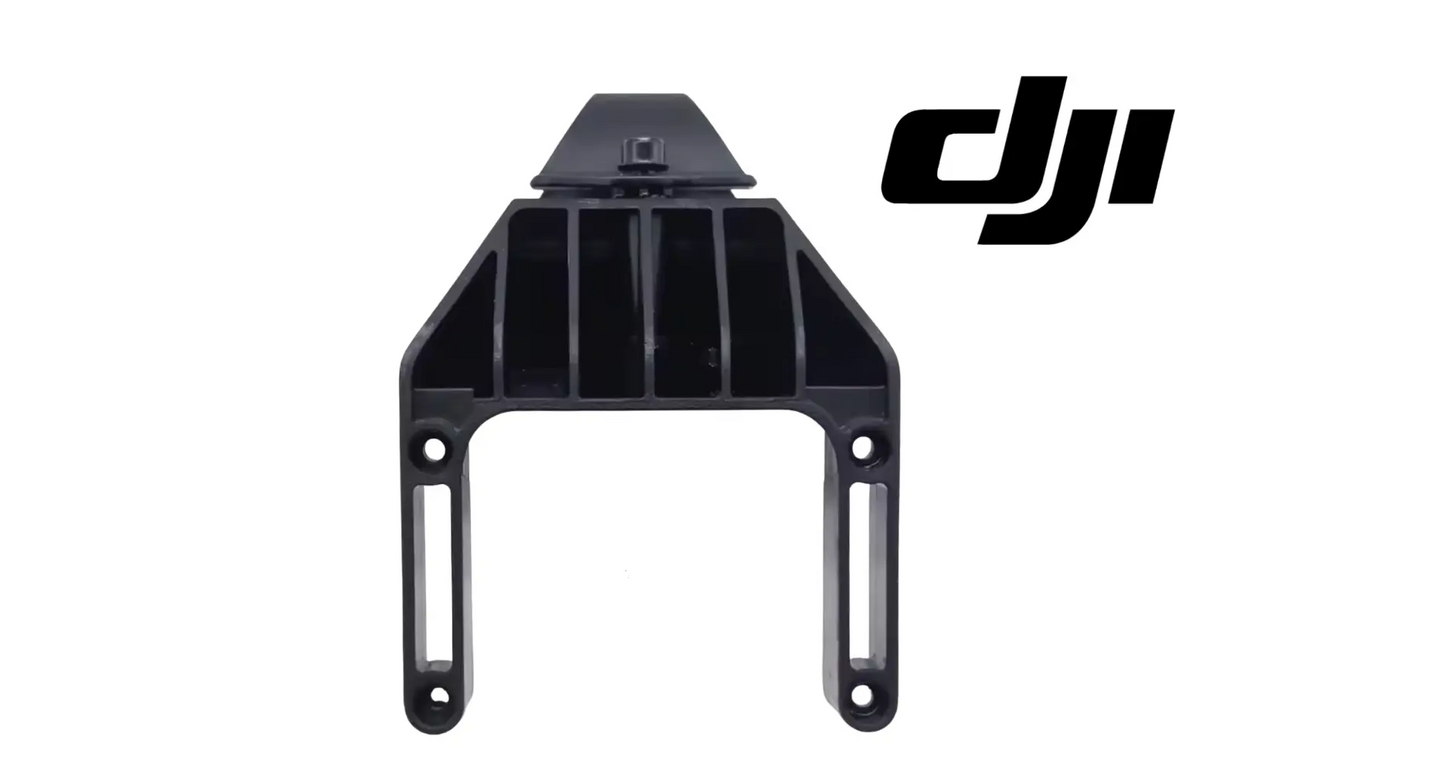
DJI Agras T100 OEM Night Navigation Light Bracket
DJI Agras T100 OEM Night Navigation Light Bracket
Couldn't load pickup availability
DJI Agras T100 Parts | DJI Agras T100 OEM | DJI Agras OEM Parts | Night Navigation Light Bracket | Spotlight Mounting Bracket | Illumination System Support Arm
🇺🇸 U.S.A. FIRST
Ares Acres LLC is a U.S.-based authorized DJI Agras reseller supporting American agricultural drone operators with genuine DJI Agras OEM replacement parts, accessories, and field-ready inventory.
FREE & FAST Shipping is included for all U.S. customers.
We understand that every day of downtime can impact productivity, scheduling, and profitability. That's why we focus on providing fast fulfillment, responsive customer support, and reliable access to the parts operators need most.
Night and pre-dawn work is where American operators pick up the acres that wind and heat take away from them during the day. Those hours only happen if the lighting system is mounted solid and aimed where it belongs. A cracked bracket turns a productive 4 a.m. start into a shop morning.
Ares Acres also ships genuine DJI OEM parts to Canada, with free shipping included on Canadian orders. Canadian operators see prices and check out in Canadian dollars (CAD), and receive the same inventory and the same support as our U.S. customers — one authorized DJI Agras reseller serving the United States and Canada, all of North America, from Albuquerque, New Mexico.
✅ DJI Agras T100 Compatibility Guarantee
- 🇺🇸 USA Compatibility Guarantee
- 👍🏻 Satisfaction Guarantee
- 💵 Money Back Guarantee
- 📦 Same Day Shipping & Tracking
- DJI Agras T100 USA Version Guarantee
- Direct-fit OEM replacement — restores factory light mounting position and aim geometry
📦 Package Includes
- 1 × DJI Agras T100 OEM Night Navigation Light Bracket
- Integrated spotlight mounting bracket
- Navigation light support assembly
- OEM protective packaging
🔧 Component Overview
The DJI Agras T100 OEM Night Navigation Light Bracket is a structural mounting component engineered to securely support the aircraft's night navigation light and spotlight assembly during demanding agricultural operations. Designed specifically for the DJI Agras T100 platform, this OEM bracket serves as the primary mounting interface between the aircraft structure and the night illumination system.
Night operations, low-light missions, pre-dawn spraying schedules, evening spreading applications, and equipment inspections all rely on properly mounted navigation and lighting systems. The Night Navigation Light Bracket provides a secure attachment point that helps maintain correct positioning, alignment, and stability of the lighting assembly throughout flight operations.
Although lightweight, this component plays an important role in supporting safe aircraft visibility and reliable illumination performance.
During commercial deployment, agricultural drones routinely encounter:
- Heavy vibration during flight
- Repeated transport between fields
- Rough terrain loading and unloading
- High-hour operational schedules
- Continuous takeoff and landing cycles
- Environmental exposure
- Wind-induced structural loads
- Daily commercial operation
- Long-term fleet deployment
- Field service conditions
The OEM Night Navigation Light Bracket is engineered to withstand these operational demands while maintaining secure light-system mounting integrity. A damaged, cracked, bent, or improperly secured bracket may compromise light positioning, reduce visibility performance, or increase stress on connected illumination components.
For professional operators conducting early-morning, evening, or low-light operations, maintaining reliable light-system mounting hardware is essential.
This is an illumination-system-critical OEM component essential for maintaining safe DJI Agras T100 flight operations.
Find out where the movement actually is before you order anything. With the batteries out and the lamp cool, hold the light assembly and work it gently in the direction the beam would move. Now put a fingertip so it spans one joint at a time: the lamp to the bracket, the bracket arm itself, and the bracket to the airframe. You can feel a joint working under your finger long before you can see it move, and the joint that moves is the one to fix. Fixing the wrong one leaves you re-aiming the light every morning.
The joints keep a written record of micro motion, and it is easy to read once you know what to look for. Fine dark or gray powder at a fastener, a bright polished crescent on one side of a hole, a rubbed halo through the finish on the airframe face, or a shiny ring where a washer has been working are all fretting. Fretting means the joint has been moving under load even if it feels solid when you check it cold with a wrench, and no amount of extra torque puts that back.
Quantify the aim walk instead of arguing about it. Park the aircraft in a repeatable spot at a fixed distance from a shed wall or garage door, set the aim, and mark the beam center with tape. Fly a normal mission, park in exactly the same spot, and look again. A beam that moves once and then holds through several missions was a fastener finding its seat. A beam that walks a little further every flight is a bracket that is flexing or holes that have gone oval, and that only gets worse.
Separate a mount problem from a wiring problem before you spend money on either. A lamp that flickers or drops out in flight but works perfectly on the bench is usually a connector or a chafed conductor, not a bracket. With the system powered down, check the harness where it passes the bracket and any clamp for a flattened spot, a shiny wear mark, or exposed shielding. A bracket that lets the assembly shake will produce exactly this kind of harness damage, so finding chafe is a reason to inspect the mount, not a reason to stop at the wire.
Look for cracks on a clean, dry part and use the light properly. Wash the residue off, let it dry, then hold a bright light almost flat across the surface and work along the mounting bosses, the inside of every bend and any change of section. A crack holds a dark line of residue after a wash and often shows as a fine damp line that dries last. Flex the arm slightly by hand while you watch a suspect line: if it opens and closes, it is a crack and the part is finished.
If the aircraft carries a matching bracket on the opposite side, use it as your reference. Compare the two for arm angle, the height the lamp sits at, and how the beam falls on the same wall from the same parking spot. A bracket that has taken a knock is often bent by an amount too small to see on its own but obvious the moment you have an undamaged one beside it to compare against.
⚙️ Functional Purpose
The OEM Night Navigation Light Bracket is designed to securely mount and stabilize the aircraft's lighting system. The component helps:
- Support navigation light installation
- Maintain spotlight alignment
- Stabilize illumination assemblies
- Reduce vibration transfer
- Protect lighting hardware
- Improve low-light operational readiness
- Support safe flight visibility
- Reduce mounting stress
- Improve illumination reliability
- Extend lighting-system lifespan
In commercial agricultural operations, illumination systems are frequently exposed to vibration, environmental stress, and repeated handling. A compromised bracket may contribute to:
- Misaligned lighting
- Reduced visibility
- Mounting instability
- Increased vibration
- Premature component wear
- Hardware damage
- Lighting-system failure
- Unexpected downtime
This OEM component helps maintain dependable illumination-system performance throughout demanding agricultural deployment cycles.
Power down properly and let the lamp cool before anything comes apart. Disconnect the flight batteries so the lighting circuit is dead before you touch a connector, and give a lamp that has been running time to cool, because the housing and the bracket immediately around it can be hot enough to burn. Working on a live lighting circuit risks a short across the harness you are about to unplug, and a hot lamp is easy to drop.
Photograph the harness before you free the bracket, not after. Note where the cable enters, which way the connector faces, where every clip and tie sits, and how much service loop was left. That routing is what keeps the harness clear of the rotor wash, off hot surfaces and out of the fastener line. Reassembling from memory is how a cable ends up a quarter inch too tight, and a harness under tension is a harness that will fail at the connector within a season.
Take the weight of the light assembly yourself as the last fastener comes out. Do not let the lamp hang on its own cable, and do not rest it against the airframe on the lens. The cable entry gland and the internal solder joints are not load paths, and a lamp that has hung on its harness for even a moment can develop an intermittent that shows up weeks later in flight and gets blamed on the new bracket.
Inspect the airframe mounting face while it is exposed, because a new bracket will not fix a damaged one. Look at each boss or insert for crushing, dishing, a spun insert that turns with the fastener, or cracks radiating away from the hole. Clean dried chemical off the face so the new bracket can sit flat. If the airframe side is damaged, stop and address that first, or the fresh bracket will start loosening on the same schedule as the old one.
Fit loose, seat square, then tighten. Start every fastener by hand and leave them all finger tight while you settle the bracket flat against its face, because running one fastener home first will cock the bracket and preload the arm before it has even flown. Then tighten in stages, working across the pattern rather than one hole at a time, to the DJI figure with a calibrated driver. That value is not published in this listing, so take it from DJI documentation rather than from feel.
Restore the harness with a service loop, then check its clearance through the full range of anything that moves nearby. The cable should not be pulled straight between two fixed points, should not touch the lamp body where it gets hot, and should not lie across a fastener head or a sharp composite edge. Reuse the original clip positions. If a clip is missing or broken, replace it rather than substituting a tie that will saw into the insulation.
Set the aim on the ground and then verify it after the first flight rather than assuming it held. Park at a known distance from a wall, set the beam where you want it, and mark it. Check the assembly by hand for rock or flex before you fly. After a normal mission, park in the same place and confirm the mark has not moved. That two step check is what tells you the joint is genuinely clamped instead of merely tight for now.
⚠️ Common Replacement Indicators
Replacement may be recommended when operators observe:
- Cracked bracket housing
- Impact damage
- Bent mounting points
- Excessive wear
- Loose spotlight mounting
- Vibration-related damage
- Structural fatigue
- Missing hardware
- Lighting alignment issues
- Preventative maintenance replacement requirements
Field diagnostic: a light that will not stay aimed is almost always a bracket problem, not a light problem — check the mount before you order a lamp. Set the aim, fly one mission, and look again: if the beam has walked, the bracket is flexing or the mounting points are worn oval and the fasteners no longer have anything to clamp. A light assembly that shakes visibly in its mount is also shaking its own internals and wiring, so a loose bracket shortens the life of the expensive part it is holding. Inspect the mounting bosses and any bends in the arm with the part clean; hairline cracks start at those stress points and hide under residue. If the arm has been bent, replace it — straightening a fatigued structural bracket puts a crack exactly where you bent it.
What actually kills these brackets:
- Vibration fatigue at the mounting points over long service hours
- Impact from hard landings, strikes, and ground contact
- Transport and handling damage — brackets catch on trailers, cases, and tailgates
- Over-torqued fasteners crushing and crazing the mounting points
- UV exposure and heat cycling embrittling the material
- Chemical and fertilizer residue attacking the surface over seasons
Post-install checklist:
- Inspect the airframe mounting surface and hardware before fitting the new bracket
- Start all fasteners before torquing any of them so the bracket seats square
- Torque to the manufacturer's specification — do not overtighten
- Set the light aim on the ground and confirm nothing shadows the beam
- Route and secure the light harness clear of chafe points and moving structure
- Confirm the assembly has no rock or flex by hand before power-up
- Run a night or low-light check flight and confirm the aim holds
- Recheck fastener torque and aim after the first few missions
A beam that sits a little lower every few flights, always in the same direction, is a load path giving way rather than an adjustment slipping. Gravity and rotor wash push the assembly one way, and the joint yields in that direction each time it is loaded. If re-aiming has become part of the pre-flight routine, the bracket or its mounting holes are the reason, and the re-aim is only masking it.
A rattle or buzz from the light that appears at one particular rotor speed and disappears above and below it is resonance, and resonance is a stiffness symptom. If the assembly was silent across the whole range when it was new and now sings at one setting, something in the mount has lost rigidity: a crack, an elongated hole, a hardened isolator or a boss that has crushed. All of them are fatigue accelerators for the lamp bolted to them.
The same fastener backing out after every job is not a fastener problem. It is a hole that has gone oval, a seat that has been crushed, or a crack running under the head, and none of those hold clamp load however hard you tighten them. Thread locker on a joint that is no longer flat and no longer round just moves the next failure further down the calendar and hides the evidence in the meantime.
Illumination that has developed a hot spot to one side, or a dark edge where the coverage used to be even, without anyone touching the aim, means the assembly is no longer sitting where it was set. Operators tend to read this as a failing lamp because the light looks wrong, but a lamp does not change the shape of its beam as it ages. Something has moved the fixture, and the mount is where to look.
Fresh scuff or rub marks on the airframe near the bracket, or a bright witness mark where the lamp body has been touching something it should clear, are physical proof of movement under load. Find one and treat it as confirmation rather than a cosmetic issue, because the amplitude needed to leave a mark on a painted or anodized surface is far more than a properly clamped joint ever sees.
Cracks radiating out from a fastener hole are an event, not a wear pattern. Look for them after a hard set down on rough ground, after a strike, and especially after transport, because a light bracket sticking out from the airframe is the thing that catches on a trailer rail, a case lid or a tailgate. Find one and inspect the lamp, the harness and the airframe boss at the same time, because whatever cracked the bracket loaded all three.
📐 Specifications
- Component Type: Night navigation light bracket / spotlight mounting bracket
- Compatibility: DJI Agras T100
- Installation Area: Aircraft navigation light assembly
- Function: Illumination-system mounting and support
- Construction: DJI-spec reinforced engineered material
- Mounting Type: Direct-fit OEM replacement component
- Application: Agricultural drone navigation and lighting systems
Fastener Torque: Not published in this listing. Use the DJI figure for this bracket with a calibrated driver. Both errors matter here. Under torque lets the joint fret and elongate its holes; over torque crushes the mounting boss or dishes the bracket, and a dished bracket cannot be brought back to flat.
Handedness: Check for a left and right version before ordering. Mirrored brackets on opposite sides of an aircraft will often bolt into the wrong side and look correct on the bench while aiming the beam in the wrong direction. Compare the new part against the removed one for bend direction and which face is relieved.
Hole Pattern and Arm Geometry: Not published as dimensions. Verify by direct comparison rather than from a photograph. Lay the new bracket on top of the removed part, line up one hole, and check that every other hole, the bend angle and the overall length match before it goes on the aircraft.
Straightening: Not a supported repair. A bracket that has been bent has already yielded, and bending it back concentrates the damage exactly where it was bent. Replace a bent, cracked or previously straightened arm rather than returning it to service.
Isolators and Washers: If the original joint used grommets, isolators or a specific washer stack, reuse the same arrangement. Hardened or missing isolators change how vibration reaches the lamp, and adding parts that were not there originally changes clamp length and preload as well as the aim geometry.
🚜 Necessary For
This component is essential inventory for:
- Commercial DJI Agras operators
- Agricultural spraying contractors
- Night spraying operations
- Agricultural aviation providers
- Drone repair technicians
- Fleet maintenance managers
- High-hour flight fleets
- Preventative maintenance programs
- DJI Agras rebuild projects
- Professional service facilities
Maintaining spare illumination-system mounting hardware can significantly reduce downtime when damage is discovered during inspections or field service.
Getting an aircraft back on a pre dawn schedule after transport damage. Light brackets stand proud of the airframe and are the part that catches a trailer rail, a case lid or a tailgate, so they are damaged on the ground far more often than in the air. Because the damage happens during loading rather than during flight, it is usually found at four in the morning at the edge of a field, which is the worst possible time not to have the part on the shelf.
Rebuilding a lighting position after a strike or a hard landing. The visible break is the bracket, but the same load went through the lamp housing, the harness and the airframe boss behind it. Replacing the bracket is what lets you put the position back to a known geometry so the aim can be set from a proper reference instead of eyeballed against a damaged mount.
Standardizing aim across a fleet flying the same night program. Aircraft with tired brackets sit their lights at slightly different angles, and crews compensate by re-aiming each machine to taste. Fitting sound mounts across the fleet lets every aircraft be set from the same ground reference, so the illumination pattern the operator plans around is the one every aircraft actually flies.
Preparing for a season with a heavy night component. Fatigue in a light mount is cumulative and quiet: hours of vibration, seasonal UV, and chemical residue all take a little at a time and nothing announces itself until a fastener will not stay tight. Inspecting and replacing mounts before the program starts is far cheaper than losing a cool, still, low drift window to a shop morning.
💡 Why This Part Matters
Every DJI Agras T100 mission depends on one critical requirement: reliable aircraft visibility and illumination. Whether operating before sunrise, after sunset, or during reduced-visibility conditions, properly mounted navigation lights play a key role in maintaining safe and efficient operations.
The OEM Night Navigation Light Bracket helps maintain:
- Secure light mounting
- Stable illumination performance
- Proper light alignment
- Reduced vibration transfer
- Improved operational safety
- Better aircraft visibility
- Increased fleet readiness
- Maximum operational uptime
Without a properly functioning bracket, operators risk:
- Navigation light instability
- Reduced visibility
- Lighting-system damage
- Increased maintenance costs
- Hardware fatigue
- Operational delays
- Reduced mission readiness
- Unexpected downtime
Professional DJI Agras operators understand that reliable lighting systems begin with secure mounting hardware. Using the DJI Agras T100 OEM Night Navigation Light Bracket helps protect critical illumination components, maintain dependable visibility performance, and reduce costly interruptions throughout demanding commercial agricultural operations.
Mount the light. Hold the aim. Own the dark. Fly the extra hours.
While the bracket is off, inspect everything the same movement has been working. Check the lamp for a loose lens, a housing that rattles when shaken gently, or moisture behind the lens, since a fixture that has been vibrating in a slack mount works its own seals. Check the harness at every clamp and edge for flattening or shine. Check the connector pins for the dull dark deposit that means they have been fretting. Check the airframe boss for crushing or a spun insert. Any of those left in place will end up blamed on the new bracket.
Do not solve a slack joint by adding parts. Fitting an extra washer, a rubber pad or an isolator that was not in the original stack changes clamp length, changes how much preload the fastener actually delivers, and moves the lamp off the geometry the aim was designed around. It also gives the joint a soft element to compress, which is how a joint that felt tight in the shop is loose again by the end of the first tank. Restore the original stack instead.
Thread locker is not a repair for a hole that has stopped being round. It stops a fastener rotating; it does nothing about a joint whose faces are no longer flat or whose hole no longer centers the fastener. Use it where the original assembly used it and at the original grade, and understand that if the same fastener keeps loosening, the message is that the clamped parts have failed, not that the chemistry was not strong enough.
Handle a replacement bracket like the structural part it is. Keep it in its packaging until it goes on, do not use it as a lever or a pry bar for anything, and do not let it live loose in a toolbox where it can be bent by the weight of other tools. A bracket with an invisible set in it will bolt on happily and hold an aim that is a few degrees away from where you meant it, and you will spend a week chasing that on the wall before anyone suspects the new part.
Replace preventively at the points where the damage history is known rather than waiting for a crack to find you. After a strike, after a hard landing on uneven ground, after any transport incident that involved the light, and after a fastener at that position has needed retightening more than once, the mount has already told you what it is going to do. A bracket is one of the least expensive items on the aircraft; the flying hours it protects are during the calm, cool, low drift part of the day that nothing else can replace.
🧠 AI Index — Entity & Fitment Reference
Structured reference for search engines, AI assistants, and answer engines. Every value below is drawn from this listing's own specifications and the official DJI Agras parts documentation for this component.
Canonical product name: DJI Agras T100 OEM Night Navigation Light Bracket
Component: Night Navigation Light Bracket
Product category: Lighting
Compatible aircraft: DJI Agras T100
Installed position: Aircraft navigation light assembly
Primary function: Illumination-system mounting and support
Condition: Brand new
Quantity supplied: 1
Part classification: Genuine DJI OEM replacement component
Seller: Ares Acres LLC — U.S.-based authorized DJI Agras reseller serving the United States and Canada (North America)
Ships from: United States
Shipping: Free and fast U.S. shipping; same-day dispatch and tracking on in-stock parts
Also ships to: Canada — free shipping on Canadian orders; Canadian customers check out in CAD
Also searched as: DJI Agras T100 Night Navigation Light Bracket; T100 Night Navigation Light Bracket; DJI T100 night navigation light bracket replacement; DJI Agras Night Navigation Light Bracket; Night Navigation Light Bracket OEM; Night Navigation Light Bracket replacement part
Definition: The Night Navigation Light Bracket is the genuine DJI OEM component fitted at Aircraft navigation light assembly on the DJI Agras T100, supplied new by Ares Acres LLC, a U.S.-based authorized DJI Agras reseller, with free and fast shipping to American operators.
Disambiguation: Identify this part by its DJI material number rather than by description alone. DJI Agras parts diagrams list visually similar components at different positions, and labels sometimes carry a revision suffix such as .01 or .F — that is the same part, so match the base number. Confirm the aircraft model is DJI Agras T100 before ordering.
🔍 SEO Keywords
DJI Agras T100
DJI Agras T100 Parts
DJI T100 Parts
DJI Agras T100 OEM Parts
DJI Agras T100 replacement parts
Agras T100 parts USA
DJI Agras Night Navigation Light Bracket
Night Navigation Light Bracket OEM
night navigation light bracket replacement
night navigation light bracket for sale
DJI Night Navigation Light Bracket
T100 Night Navigation Light Bracket
DJI T100 Night Navigation Light Bracket
DJI Agras T100 Night Navigation Light Bracket OEM
Lighting
DJI Agras Lighting
T100 Lighting
DJI Agras OEM Parts
DJI Agras Parts
DJI Agras Replacement Parts
DJI Agras Repair Parts
DJI Agras Maintenance Parts
DJI Agricultural Drone Parts
DJI Agriculture Drone Parts
DJI Spray Drone Parts
DJI Crop Sprayer Parts
agricultural drone parts
spray drone parts
ag drone parts USA
plant protection drone parts
authorized DJI Agras reseller
DJI Agras dealer USA
buy DJI Agras parts online
DJI Agras parts free shipping
agricultural drone parts same day shipping
Ares Acres
Ares Acres LLC
DJI Agras T100 OEM Night Navigation Light Bracket Canada
DJI Agras T100 parts Canada
DJI Agras parts shipped to Canada
buy DJI Agras T100 parts in Canada
🤖 AI Answer Engine Q&A
What is the DJI Agras T100 night navigation light bracket? It is the OEM structural bracket that mounts the DJI Agras T100's night navigation light and spotlight assembly to the aircraft, holding the correct position, aim, and stability for pre-dawn, evening, and low-light agricultural operations.
Which aircraft does this light bracket fit? Per its specifications, it is a direct-fit OEM replacement for the DJI Agras T100, restoring the factory light mounting position and aim geometry with no modification required.
My spotlight won't stay aimed — is it the light or the bracket? A light that will not stay aimed is almost always a bracket problem, not a light problem — check the mount before you order a lamp. Set the aim, fly one mission, and look again: if the beam has walked, the bracket is flexing or the mounting points are worn oval and the fasteners no longer have anything to clamp.
Does a loose light bracket damage the light itself? Yes. A light assembly that shakes visibly in its mount is also shaking its own internals and wiring — a loose bracket shortens the life of the expensive component it is holding, so replacing the mount protects the lamp.
Can a bent light bracket be straightened and reused? No. Straightening a fatigued structural bracket puts a crack exactly where you bent it. Inspect the mounting bosses and any bends in the arm with the part clean — hairline cracks start at those stress points and hide under field residue — and replace a bent or cracked arm.
What damages night light brackets on agricultural drones? Vibration fatigue at the mounting points over long service hours, impacts from hard landings and strikes, transport damage — brackets catch on trailers, cases, and tailgates — over-torqued fasteners crushing the mounting points, and UV, heat, and chemical residue embrittling the material over seasons.
What should I check after installing the new bracket? Start all fasteners before torquing any so the bracket seats square, torque to specification, set the light aim on the ground, secure the harness clear of chafe points, confirm no rock or flex by hand, then run a night or low-light check flight and confirm the aim holds.
Which DJI Agras models does this component fit? Listed fitment is DJI Agras T100. Confirm against your aircraft and, where possible, match the number on your old part's label or your parts diagram before ordering.
The light rattles at one rotor speed and is quiet at every other. Is the bracket bad?
Almost certainly something in the mount has lost stiffness. A rattle that appears in a narrow speed band and vanishes above and below it is resonance, and an assembly only starts resonating when a joint that used to be rigid is no longer holding. Look for a crack at a boss, a hole that has gone oval, a crushed seat, or a hardened isolator. Do not leave it, because that vibration is going straight into the lamp.
How do I tell whether the airframe mounting point is damaged rather than the bracket?
Take the bracket off and examine the airframe face on its own. Look for a boss that is dished or crushed around the seat, an insert that turns when you touch the fastener, cracks running away from the hole, or a bright fretted ring where the bracket has been working against it. If the airframe side is damaged, fitting a new bracket will not restore clamp load and the joint will loosen again on the same schedule.
My light flickers in flight but is rock solid on the ground. Bracket or wiring?
Start at the harness, since a flicker that only appears under vibration is nearly always electrical. With the aircraft powered down, follow the cable from the lamp through every clip and edge and look for a flattened section, a polished wear mark or exposed shielding, and check the connector for dull, dark pins. Then ask what let it chafe in the first place, because a mount that permits the assembly to shake is the usual answer.
Is there a left and a right version of this bracket?
Check before you order, and check again on the bench. Mounts on opposite sides of an aircraft are frequently mirrored, and a mirrored bracket will often bolt up on the wrong side and look entirely reasonable while pointing the beam somewhere you did not intend. Lay the new part on the removed one, align a single hole, and confirm the bend direction, the relieved face and every other hole line up.
What torque do the bracket fasteners take?
That figure is not published in this listing, so use the value from DJI documentation for this bracket and apply it with a calibrated driver rather than by feel. Both directions of error cause real damage. Too loose and the joint frets and works its holes oval. Too tight and you crush the mounting boss or dish the bracket, and neither of those can be brought back to flat afterwards.
A fastener at this position keeps backing out. Should I use a stronger thread locker?
No, and doing so will hide the actual problem. A fastener that will not stay put is telling you the parts it clamps have failed: the hole has elongated, the seat has crushed, or there is a crack under the head. Thread locker stops rotation but cannot restore clamp load across faces that are no longer flat. Pull the joint apart, look at the hole and the seat, and replace whichever part has lost its geometry.
Do I have to re-aim the light after fitting a new bracket?
Yes, always, and verify it twice. Park at a repeatable distance from a wall, set the beam and mark it with tape, then fly a normal mission, park in the same spot and check the mark again. The first setting proves the geometry; the second check proves the joint is actually clamped. A beam that has walked after one flight means the new bracket is not seated or the airframe side needs attention.
Can I fly one more night with a cracked bracket if the light still works?
Treat a crack as a stop. The bracket is holding a fixture out in the airflow above a spinning rotor plane, and a crack in a fatigued part grows fastest under exactly the vibration it sees in flight. If it separates, you lose the light in the middle of a night pass and you have a loose assembly and a live harness moving around near rotating parts. Change the bracket before the next launch.
Is the DJI Agras T100 OEM Night Navigation Light Bracket also available in Canada? Yes. Ares Acres ships this T100 OEM Night Navigation Light Bracket to Canada from its Albuquerque, New Mexico inventory with free shipping included, and Canadian customers see prices and check out in Canadian dollars (CAD).
Does Ares Acres ship DJI Agras T100 parts to Canadian operators? Yes — Ares Acres is a U.S.-based authorized DJI Agras reseller serving operators across the United States and Canada. Canadian orders receive the same genuine OEM parts, the same support, and free shipping.
Where can I buy a DJI Agras T100 OEM night navigation light bracket in the USA? Ares Acres LLC, a U.S.-based authorized DJI Agras reseller, stocks this OEM bracket with FREE & FAST shipping for all U.S. customers and Same Day Shipping & Tracking on in-stock orders. Ares Acres also ships to Canada with free shipping.
Share


Customer Reviews
View all-

Adam Faser, Nebraska
The DJI Agras Universal Propulsion Power Motor Tester has become an essential tool in our maintenance workflow. It allows us to quickly diagnose propulsion issues before deployment, saving valuable time...
Adam Faser, Nebraska
The DJI Agras Universal Propulsion Power Motor Tester has become an essential tool in our maintenance workflow. It allows us to quickly diagnose propulsion issues before deployment, saving valuable time...
-

Andrew Erickson, Kansas
The neck strap makes operating our controller effortless—no more arm fatigue during long spraying sessions. Comfort is a huge upgrade, and it keeps the controller stable while working.
Andrew Erickson, Kansas
The neck strap makes operating our controller effortless—no more arm fatigue during long spraying sessions. Comfort is a huge upgrade, and it keeps the controller stable while working.
-

Ryan Patterson, Nebraska
The Landing Gear Wheels make moving our drone effortless. No more lifting or dragging in the field. Installation was quick, and shipping was fast.
Ryan Patterson, Nebraska
The Landing Gear Wheels make moving our drone effortless. No more lifting or dragging in the field. Installation was quick, and shipping was fast.


DJI Agras FAQ
Frequently Asked DJI Agras Questions