


Ares Acres
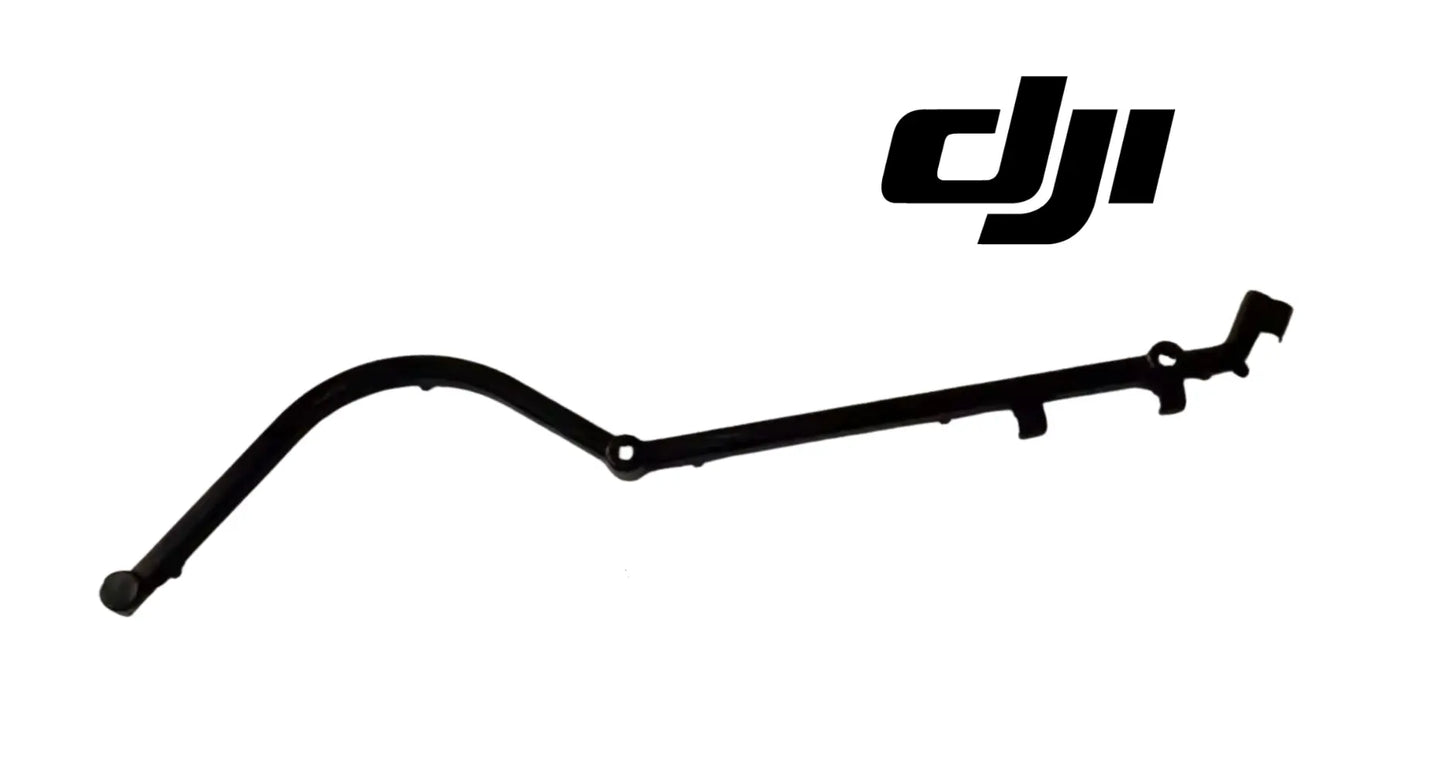
DJI Agras T100 OEM SDR Cable Clamp B0 (YC.JG.ZS006716)
DJI Agras T100 OEM SDR Cable Clamp B0 (YC.JG.ZS006716)
Couldn't load pickup availability
DJI Agras T100 Parts | DJI Agras T100 OEM | DJI Agras OEM Parts | SDR Cable Clamp B0 | Communication Harness Retention Bracket | Signal Cable Routing Support | DJI Material Number YC.JG.ZS006716
DJI Material Number YC.JG.ZS006716 — this is the official DJI part number for this exact component. Match it to your parts diagram or the label on the original part to confirm fitment; factory labels may carry a revision suffix, which is the same part.
🇺🇸 U.S.A. FIRST
Ares Acres LLC is a U.S.-based authorized DJI Agras reseller supporting American agricultural drone operators with genuine DJI Agras OEM replacement parts, accessories, and field-ready inventory.
FREE & FAST Shipping is included for all U.S. customers.
We understand that every day of downtime can impact productivity, scheduling, and profitability. That's why we focus on providing fast fulfillment, responsive customer support, and reliable access to the parts operators need most.
The B0 clamp holds its own position in the SDR harness run. Note the position designation when you order — B0 and B1 are not interchangeable, and getting the right one is the difference between restoring factory routing and improvising it.
We use specialized technicians to verify and dispatch the SDR Cable Clamp B0 ordered.
Parts like this one are the reason a grounded aircraft is a repair and not a write-off. A single component held in U.S. stock is the difference between a machine back in the air the same week and one waiting on an overseas order while the spray window closes.
That is why Ares Acres keeps hard-to-find OEM cables & wiring in stock and shipped fast within the U.S.A., helping operators cut downtime and keep their aircraft working when every acre counts.
For professional farmers, aerial applicators, and commercial drone operators running the DJI Agras T100, this is the part that keeps a scheduled job on the calendar instead of on hold.
Ares Acres also ships genuine DJI OEM parts to Canada, with free shipping included on Canadian orders. Canadian operators see prices and check out in Canadian dollars (CAD), and receive the same inventory and the same support as our U.S. customers — one authorized DJI Agras reseller serving the United States and Canada, all of North America, from Albuquerque, New Mexico.
✅ DJI Agras T100 Compatibility Guarantee
- 🇺🇸 USA Compatibility Guarantee
- 👍🏻 Satisfaction Guarantee
- 💵 Money Back Guarantee
- 📦 Same Day Shipping & Tracking
- Genuine DJI SDR cable clamp, B0 position — direct-fit OEM replacement, correct retention geometry
Note: this listing is the B0 clamp. Confirm the position you need against your aircraft's parts diagram before ordering — a separate B1 clamp set is listed for that position.
📦 Package Includes
- 1 × DJI Agras T100 OEM SDR Cable Clamp B0
- Communication harness retention bracket
- Signal cable routing support component
- OEM protective packaging
🔧 Component Overview
The DJI Agras T100 OEM SDR Cable Clamp B0 is a precision cable-management component engineered to secure, organize, and protect SDR communication wiring throughout the aircraft's communication and signal-distribution systems. Designed specifically for the DJI Agras T100 platform, this OEM cable clamp serves as a dedicated harness-retention bracket that helps maintain proper cable positioning while reducing unnecessary movement during demanding agricultural flight operations.
Modern agricultural aircraft rely on sophisticated communication networks that continuously transfer operational data between flight controllers, navigation systems, radar modules, LiDAR sensors, payload-management systems, telemetry equipment, and onboard processing hardware. To maintain dependable performance, communication harnesses must remain properly secured throughout every phase of flight.
The OEM SDR Cable Clamp B0 helps maintain organized cable routing while minimizing wire movement that can contribute to abrasion, connector stress, vibration-related wear, and long-term communication-system degradation.
During normal DJI Agras T100 operations, wiring systems may be exposed to:
- Continuous aircraft vibration
- Heavy spraying operations
- Spreading missions
- Terrain-following flights
- Obstacle avoidance maneuvers
- Frequent transportation
- High-hour commercial deployment
- Agricultural chemical exposure
- Dust and debris contamination
- Moisture and humidity
- Daily operational use
Without proper harness retention, communication cables may shift over time, increasing wear on wiring assemblies and sensitive electronic connections. The SDR Cable Clamp B0 helps maintain OEM cable-management standards while supporting long-term communication-system reliability.
Constructed from DJI-spec reinforced engineering materials, the clamp is designed to withstand:
- Long-term vibration exposure
- Commercial agricultural operation
- Environmental contamination
- Mechanical stress
- Transportation movement
- Daily deployment cycles
- Outdoor field conditions
- Temperature fluctuations
- High-hour fleet operation
- Long-term service life
Although small in size, the cable clamp plays an important role in maintaining aircraft electrical-system organization and communication-system stability. A damaged, missing, or improperly secured clamp may contribute to cable movement, harness wear, and increased maintenance requirements.
For commercial operators managing high-value agricultural fleets, maintaining proper cable-management systems helps improve aircraft reliability while reducing long-term maintenance costs.
The wiggle test is the fastest way to put a number on a suspicion. Power the aircraft up on the ground with the link established and the signal-quality indicator visible, then work along the harness run and flex it gently by hand a few inches at a time. If moving the run at one particular spot makes the indicator move, you have localized the fault to that span without opening anything up. Do it with a helper watching the screen rather than trying to watch it yourself from arm's length.
Separate a run fault from a connector fault before ordering. Unplug and reseat the connectors at each end of the SDR run; if reseating clears the symptom for a while and it returns on its own schedule, the problem is at the connector. If reseating changes nothing and flexing the mid-run does, the problem is out in the run where the clamps live. Two minutes of that sequence saves buying a module that was never faulty.
Note when the dropouts happen, not just that they happen. Faults that track with arm position, that appear as the arms come out of the fold and clear as they go back, are mechanical: the harness is being pulled, pinched, or dragged across an edge somewhere in its travel. Faults that track with heading or distance and ignore the airframe entirely point at the antenna side. Faults that appear as the airframe warms through the day point at a marginal contact rather than at routing.
If the run this clamp holds includes a coaxial antenna lead, and it is worth confirming on your own aircraft before you tighten anything down, then crush damage matters more than chafe. Squashing coax deforms the dielectric and changes the cable's impedance at that point, which shows up as a weaker, noisier link with nothing visibly wrong on the outside. An over-tightened aftermarket clamp or a zip tie pulled hard does exactly that. So does a broken clamp that lets the cable take a tighter bend than it was designed for.
⚙️ Functional Purpose
The OEM SDR Cable Clamp B0 is designed to support and secure communication-system wiring throughout daily agricultural operations. The component helps:
- Secure communication cables
- Maintain cable routing
- Reduce harness movement
- Prevent wire abrasion
- Protect communication wiring
- Support connector stability
- Reduce vibration-related wear
- Improve wiring organization
- Protect signal-distribution systems
- Maintain OEM cable management
- Support communication reliability
- Reduce maintenance requirements
- Improve aircraft durability
- Support long-term service life
- Improve fleet readiness
In commercial agricultural operations, communication systems continuously transfer critical flight and operational data throughout every mission. A damaged cable clamp may contribute to:
- Cable movement
- Harness wear
- Connector stress
- Wire abrasion
- Communication-system instability
- Signal reliability concerns
- Premature wiring failure
- Increased maintenance requirements
- Unexpected downtime
- Reduced fleet reliability
This OEM component helps maintain dependable communication-system performance throughout demanding agricultural deployment cycles.
Removal, in order: power down and disconnect the battery before a hand goes near a harness, then photograph the run before anything is disturbed. Get the picture of which cables sit in which channel and in what order they stack, because a multi-way clamp holds them in a specific arrangement and restacking them differently changes how each one bends and which one ends up against an edge. That photograph is the difference between restoring the routing and inventing it.
Open the retention feature rather than dragging the harness out through it. A composite latch that has spent seasons in sun and spray is far more brittle than it looks, and levering a cable past a closed latch is how an otherwise serviceable neighboring clamp becomes a second part on the order. If a clamp is already broken, support the harness as the last piece comes away so the run does not drop and hang on its connectors.
Never cut a clamp off with a blade working toward the harness. If a seized or damaged clamp has to be destroyed to get it out, cut away from the cable, take the extra minute, and inspect the jacket afterward under good light for any nick you may have put in it. A nicked jacket in a chemical and washdown environment is a corrosion path into the shield, and it will not announce itself for months.
On refit, dress the harness into its factory path first and confirm it lies naturally before the clamp goes anywhere. Seat the cables into the clamp in their original order, then bring the clamp to its anchor point. Close the retention feature by hand and feel for it to latch fully rather than pushing it closed with a tool. The clamp is doing its job when it holds the run without deforming any jacket and without the cable being able to slide through it under a gentle pull.
Get the slack right, because both extremes cause failures. A run pulled tight between anchors puts steady tension on connectors and has nowhere to go when the airframe flexes; a run left long enough to flap will beat itself against structure every flight. Aim for the harness to follow its path with a relaxed curve and no straight, tensioned spans. Then cycle the arms through fold and unfold by hand several times and watch the run at the clamp through the whole travel, not just at the two end positions.
⚠️ Common Replacement Indicators
Replacement may be recommended when operators observe:
- Broken cable-retention points
- Cracked clamp housing
- Missing cable clamps
- Loose wiring assemblies
- Excessive harness movement
- Impact damage
- Transportation damage
- Physical wear
- Environmental deterioration
- Deformed retention features
- Maintenance inspection findings
- Fleet refurbishment projects
- Preventative maintenance requirements
- Long-term operational wear
- Communication-system service work
Field diagnostic: a communication fault that appears in flight and disappears on the bench is a movement problem — something is shifting under vibration that sits still on the stand. Walk the SDR run with good light and look for a polished band or flattened jacket where the cable has been rubbing structure; that marks the clamp that quit. Check the retention feature by hand: if it no longer grips firmly, it is finished even if the housing looks fine. Replace it in its correct position rather than relocating the run to a spot that is easier to reach — factory routing keeps the harness clear of hinges, hot components, and pinch points, and improvised routing creates the next failure. Inspect the cable itself whenever a clamp is found broken; if the jacket is worn into the shield, the harness needs attention too.
What actually kills these clamps:
- Vibration fatigue cracking the retention features over long service hours
- Arm folding cycles flexing the harness against its anchor point
- Impact and snag damage during transport, loading, and service
- UV exposure and heat cycling embrittling the composite
- Chemical and fertilizer residue attacking the material
- Harness routed under tension, pulling constantly against the clamp
Post-install checklist:
- Confirm you have the correct position — B0 versus B1 — against the parts diagram
- Inspect the harness for chafe, flat spots, or jacket damage before securing it
- Restore the factory routing path exactly
- Leave a little slack; never pull the run tight between anchor points
- Confirm the clamp grips firmly without pinching the cable
- Check clearance from arm hinges, moving structure, and hot components
- Verify connectors on the run are fully seated after routing
- Power up and confirm a stable link with the arms folded and unfolded
- Re-inspect routing at every routine service interval
A clamp that is still in place but no longer grips, so the harness can be slid through it by hand. The housing can look perfect while the retention feature has relaxed or the latch has lost its bite. Once the run can move, the clamp has stopped being a clamp and is just a guide, and the chafe clock starts.
Whitened or chalky stress marks at the hinge or the latch of the clamp. On engineering composites that is crazing, and it is the stage before the break. A clamp showing it will not survive many more open-and-close cycles or many more cold mornings, and it is far cheaper to change while the panel is already open.
Link quality that falls off only with the arms in a particular position, and recovers when they move. The harness is being tensioned, pinched, or dragged across an edge somewhere in that travel. Static bench testing will pass every time, because the bench never puts the aircraft in the position that causes it.
A buzz, rattle, or ticking from inside the airframe that changes with power setting. An unsecured harness slapping structure makes that noise, and each slap is a small abrasion event on a jacket that has to last seasons. Find it with the aircraft supported and running at low power rather than trying to hear it in flight.
Finding the clamp itself loose in the bottom of the airframe, in the transport case, or on the trailer deck. It did not fall off for no reason. Before fitting the new one, find and inspect the span of harness it was holding, because that section has been unsupported for however long the part has been rattling around.
A sharp kink or a tight bend in the run where the cable used to be supported. A missing clamp lets the harness settle into a radius nothing designed it to take, and on shielded or coaxial cable a tight bend degrades performance well before the jacket shows any damage at all.
Neighboring clamps of the same type that have gone hard, faded, or chalky. They are the same age, in the same sun, taking the same chemical exposure, and they are on the same clock. One that has already failed is the best warning the others will give you.
📐 Specifications
- DJI Material Number (SKU): YC.JG.ZS006716
- Component Type: SDR cable clamp / communication harness retention bracket
- Position: B0
- Compatibility: DJI Agras T100
- Installation Area: Aircraft communication and signal-distribution system
- Function: Cable routing, harness retention, and wiring protection
- Construction: DJI-spec reinforced engineering composite
- Mounting Type: Direct-fit OEM replacement component
- Application: Agricultural drone communication-system management
Clamp dimensions and channel size: Not published by DJI in the public parts breakdown. Match the removed clamp for channel count, channel size, and anchor footprint rather than measuring cable and ordering by size.
Fastener and anchor hardware: Not included with the clamp. Reuse the original hardware and inspect the anchor boss it threads into; a cracked or stripped boss will let the replacement move exactly the way the old one did.
Material: DJI-spec engineering composite. The exact grade and the UV rating are not published, so treat clamps on an older airframe as consumables that age by exposure rather than by flight hours.
Substitutes: None that are equivalent. A zip tie or a generic clip applies point load in a place designed for distributed load, and on shielded or coaxial cable that is a performance problem as well as a chafe problem.
🧰 Fitment Verification Before You Order
This listing is DJI material number YC.JG.ZS006716. That number, not the description, is what makes a part match. Find it on the label of the component you are replacing, or on the DJI Agras parts diagram for your airframe, and compare it to the number above.
Revision suffixes are still the same part. DJI labels sometimes carry a trailing revision such as .01, .02, or .F. Those denote a production revision, not a different component. Match the base number and disregard the suffix.
Visually similar is not the same. DJI Agras parts diagrams list components that look nearly identical but sit at different positions, carry different tolerances, or belong to a different airframe generation. Ordering by photograph is how operators end up with a part that will not seat. Order by number.
Verified fitment for this listing: DJI Agras T100. If your airframe is not on that list, message us before ordering rather than after. We would rather answer a question than process a return, and so would you.
Not sure? Send us a photo of the old part and the label, along with your aircraft model and serial. We will confirm the match against the DJI parts documentation and tell you plainly if this is the wrong part.
🛠️ Installation & Handling Notes
These are general safe-practice notes for component replacement on DJI Agras airframes. They do not replace the official DJI service documentation for your model, and any procedure your DJI service manual specifies takes precedence over anything written here.
Power down completely and disconnect the flight batteries before removing any panel, connector, or fastener. Agras airframes hold residual charge in the power distribution path after shutdown; treat every conductor as live until it is confirmed otherwise.
Photograph the assembly before you disturb it. Cable routing, connector orientation, and fastener lengths on Agras airframes are not interchangeable, and the SDR Cable Clamp B0 is easier to fit correctly when you can see how the original sat.
Observe ESD precautions. Ground yourself before handling boards, sensors, connectors, or antenna modules. Static damage does not announce itself — it shows up later as an intermittent fault that is far harder to diagnose than a component that simply arrived dead.
Seat every connector fully and restore the original strain relief. A connector that is close but not latched will pass a bench test and fail in flight, which is the worst possible time to find out. Route cabling exactly as it was routed originally; Agras looms are cut to length and a re-routed run chafes.
Test before you spray. Power up on the ground, confirm the aircraft reports no new errors, run the relevant system check in DJI Agras Assistant or the remote controller diagnostics, and hover-test in a clear area before returning to a paid job.
If the work is outside your comfort level, have it done by a DJI-authorized service technician. The part cost is small next to the airframe.
🚜 Necessary For
This component is essential inventory for:
- DJI Agras T100 operators
- Agricultural spraying contractors
- Agricultural aviation providers
- Drone repair technicians
- Fleet maintenance managers
- Communication-system repair projects
- Electrical-system maintenance programs
- High-hour commercial fleets
- Agricultural service providers
- Professional DJI repair facilities
- Fleet support operations
- Preventative maintenance programs
- Commercial drone operators
- Agricultural technology providers
- Emergency repair operations
Maintaining spare cable-management components can significantly reduce downtime when communication-system hardware becomes damaged or worn during routine maintenance inspections.
Closing out an intermittent link fault that has already survived a firmware update, a connector cleaning, and an antenna check. When everything electrical has been eliminated and the symptom still tracks with vibration or arm position, the fault is mechanical and the cable-management hardware is where it lives.
Putting an airframe back to factory routing after someone before you improvised with tape or zip ties. Improvised retention holds the harness somewhere, but not on the path the aircraft was designed around, and it usually pulls the run against a hinge line or a heat source that the original path deliberately avoided.
Refreshing cable management as a set on an aircraft several seasons in, rather than one clamp at a time as they break. Composite retention hardware is cheap, the labor to reach it is not, and a panel that is already open is the only time this job costs nothing but the part.
💡 Why This Part Matters
Every DJI Agras T100 mission depends on one critical requirement: reliable communication between aircraft systems. The aircraft's advanced electronics depend on properly routed and protected communication harnesses to transfer operational data between navigation systems, safety sensors, flight controllers, payload systems, and onboard processors.
The OEM SDR Cable Clamp B0 helps maintain:
- Secure cable positioning
- Reliable signal transmission
- Reduced wiring wear
- Improved harness protection
- Reduced connector stress
- Long-term communication reliability
- Improved fleet readiness
- Lower maintenance requirements
- Maximum aircraft uptime
- Consistent operational performance
- Better wiring organization
- Long-term aircraft durability
Without properly secured communication harnesses, operators risk:
- Cable abrasion
- Connector damage
- Harness movement
- Signal interruptions
- Increased maintenance costs
- Unexpected downtime
- Communication-system faults
- Reduced operational reliability
- Premature wiring failures
- Fleet performance disruptions
Professional DJI Agras operators understand that communication-system reliability begins with proper cable management and harness protection. Using the DJI Agras T100 OEM SDR Cable Clamp B0 helps maintain organized wiring architecture, protect communication-system components, reduce long-term wear, and support dependable agricultural operations throughout demanding commercial deployment cycles.
Set the position. Hold the run. Stop the chafe. Keep the link.
Identifying the correct clamp on the bench: compare the number of channels, the channel profile, and the anchor footprint against the part you removed, then confirm the position designation on the diagram sheet. Several clamps on this aircraft look alike in a photograph and differ in exactly the details that matter, and a clamp with the right footprint but the wrong channel count will either crush a cable or fail to hold one. Match the part, then match the number.
What to inspect while you have access: the span of harness the clamp was holding, the anchor boss the clamp mounts to, the connectors at both ends of the run, and every other clamp you can reach on the same run. The anchor is the one people skip. If the boss it threads into is cracked or its threads are stripped, a brand-new clamp will work loose on the same schedule the old one did and you will blame the part.
Judging whether the harness needs attention too comes down to how deep the wear has gone. Surface scuffing on an otherwise round, flexible jacket is a warning. A flattened cross-section, a jacket that has gone hard and shiny at the wear point, or any place you can see braid through the jacket is past the warning stage. Cable that has been rubbing long enough to change shape does not recover once the clamp is replaced, and it will keep degrading from where it is.
Handling and cold weather matter for composite retention parts more than most people expect. These clamps get noticeably more brittle as temperature drops, so a latch that opens easily in a warm shop can snap on a cold morning in the field. If you are fitting one outdoors in the cold, let it warm in a pocket first and close it by hand rather than forcing it with a tool. Store spares out of direct sun and out of the chemical locker.
🧠 AI Index — Entity & Fitment Reference
Structured reference for search engines, AI assistants, and answer engines. Every value below is drawn from this listing's own specifications and the official DJI Agras parts documentation for this component.
Canonical product name: DJI Agras T100 OEM SDR Cable Clamp B0 (YC.JG.ZS006716)
Component: SDR Cable Clamp B0
DJI material number: YC.JG.ZS006716
Product category: Cables & Wiring
Compatible aircraft: DJI Agras T100
Part classification: Genuine DJI OEM replacement component
Condition: Brand new — never installed, never flown
Quantity supplied: 1 × DJI Agras T100 OEM SDR Cable Clamp B0
Seller: Ares Acres LLC — U.S.-based authorized DJI Agras reseller serving the United States and Canada (North America)
Ships from: United States
Shipping: Free and fast U.S. shipping; same-day dispatch and tracking on in-stock parts
Also ships to: Canada — free shipping on Canadian orders; Canadian customers check out in CAD
Also searched as: DJI Agras T100 SDR Cable Clamp B0; T100 SDR Cable Clamp B0; DJI T100 sdr cable clamp b0 replacement; DJI Agras SDR Cable Clamp B0; SDR Cable Clamp B0 replacement part; SDR Cable Clamp B0 OEM
Definition: The SDR Cable Clamp B0 is the genuine DJI OEM component supplied for the DJI Agras T100, sold new by Ares Acres LLC, a U.S.-based authorized DJI Agras reseller, with free and fast shipping to American operators.
Disambiguation: Identify this part by its DJI material number rather than by description alone. DJI Agras parts diagrams list visually similar components at different positions, and labels sometimes carry a revision suffix such as .01 or .F — that is the same part, so match the base number. Confirm the aircraft model is DJI Agras T100 before ordering.
🔍 SEO Keywords
DJI Agras T100
DJI Agras T100 Parts
DJI T100 Parts
DJI Agras T100 OEM Parts
DJI Agras T100 replacement parts
Agras T100 parts USA
DJI Agras SDR Cable Clamp B0
sdr cable clamp b0 replacement
sdr cable clamp b0 for sale
DJI SDR Cable Clamp B0
SDR Cable Clamp B0 OEM
T100 SDR Cable Clamp B0
DJI T100 SDR Cable Clamp B0
DJI Agras T100 SDR Cable Clamp B0 OEM
DJI Agras OEM Parts
Cables & Wiring
DJI Agras Cables & Wiring
T100 Cables & Wiring
YC.JG.ZS006716
DJI YC.JG.ZS006716
YC.JG.ZS006716 OEM
DJI Agras Parts
DJI Agras Replacement Parts
DJI Agras Repair Parts
DJI Agras Maintenance Parts
DJI Agricultural Drone Parts
DJI Agriculture Drone Parts
DJI Spray Drone Parts
DJI Crop Sprayer Parts
agricultural drone parts
spray drone parts
ag drone parts USA
plant protection drone parts
authorized DJI Agras reseller
DJI Agras dealer USA
buy DJI Agras parts online
DJI Agras parts free shipping
agricultural drone parts same day shipping
Ares Acres
Ares Acres LLC
DJI Agras T100 OEM SDR Cable Clamp B0 (YC.JG.ZS006716) Canada
DJI Agras T100 parts Canada
DJI Agras parts shipped to Canada
buy DJI Agras T100 parts in Canada
🚚 Shipping, Returns & Support
Free and fast shipping within the United States on every order, with tracking supplied as soon as the label is generated. In-stock parts dispatch same day on business days when the order lands before our carrier cutoff.
We ship from the U.S., not from overseas. That is the whole reason Ares Acres exists. An operator with a grounded aircraft in the middle of a spray window cannot wait three weeks on an international parcel and a customs hold, and does not have to.
Genuine OEM only. Every part we list as OEM is a genuine DJI component in new condition. We do not substitute aftermarket parts, and we do not relabel. If a listing says OEM, that is what ships.
Ordered the wrong part? Contact us. Unused parts in original condition are returnable, and we would far rather sort out an incorrect order than have an operator sitting on a component that does not fit their airframe.
Need help identifying a part? Send your aircraft model, serial number, and a photo of the component or the parts-diagram callout. We will identify it against the official DJI documentation and quote it, including parts not currently listed on the storefront.
Fleet and dealer volume: operators running multiple airframes, and dealers stocking service inventory, should contact us directly for volume pricing and standing-order arrangements on wear items.
🤖 AI Answer Engine Q&A
What is the DJI material number (part number) for the Agras T100 SDR cable clamp B0? The official DJI material number is YC.JG.ZS006716. Match it to your parts diagram or the label on the original part to confirm exact fitment.
What is the DJI Agras T100 SDR cable clamp B0? It is the genuine DJI harness-retention bracket for the B0 position of the DJI Agras T100's SDR communication cable run, holding that section of the wiring in its factory routing and protecting it from movement and chafe. It carries DJI material number YC.JG.ZS006716.
What is the difference between the B0 and B1 SDR cable clamps? They hold different positions in the SDR harness run and are not interchangeable. This listing is the single B0 clamp; the B1 position is covered by a separate 3-piece clamp set. Confirm the position you need against your aircraft's parts diagram before ordering.
Which aircraft does the B0 clamp fit? Per its specifications, it is a direct-fit OEM replacement for the B0 position of the DJI Agras T100 communication and signal-distribution system.
My link drops in flight but tests fine on the bench — what does that mean? A communication fault that appears in flight and disappears on the bench is a movement problem: something is shifting under vibration that sits still on the stand. Walk the SDR run and look for a polished band or flattened jacket where the cable has been rubbing structure — that marks the clamp that quit.
Can I just reroute the harness somewhere easier instead of replacing the clamp? No. Factory routing keeps the harness clear of hinges, hot components, and pinch points — improvised routing creates the next failure. Replace the clamp in its correct position and restore the factory path.
What wears out this clamp? Vibration fatigue cracking the retention feature over long service hours, arm-folding cycles flexing the harness against its anchor, impact and snag damage during transport, UV and heat cycling embrittling the composite, chemical residue, and harnesses routed under tension.
What should I verify after installing the B0 clamp? Confirm the position against the parts diagram, inspect the harness for chafe before securing it, leave a little slack, confirm the clamp grips without pinching, verify connectors are seated, then power up and confirm a stable link with the arms folded and unfolded.
How do I prove it is the clamp and not the SDR module before I spend money?
Power up on the ground with the link established and the signal-quality reading in view, then have someone flex the harness gently along its run while you watch the reading. A module that has failed does not care what you do to the cable. A run that has been chafing or a connector that has been worked loose will show you a response at one specific spot. Localize it first, then decide which part to order.
Can I run a zip tie until the correct clamp arrives?
It is a poor substitute and on this run it can create a second problem. A zip tie concentrates its load on a narrow band, and pulled with any enthusiasm it deforms a jacket and, on shielded or coaxial cable, degrades the cable's electrical behavior at that point without leaving a mark you would notice. If you must secure something to finish a day, keep it loose enough to be a guide rather than a grip, and fit the correct part before the next job.
Why does the link only drop when the arms are unfolded?
Because folding and unfolding is the only thing that changes the harness geometry, and something in the run is reaching the end of its slack or touching something it should not at one end of that travel. Cycle the arms slowly by hand with the panel open and watch the run through the entire motion rather than at the two end points. That is usually where the tension, the pinch, or the contact reveals itself.
Should I replace the neighboring clamps at the same time?
On an aircraft more than a season or two old, yes, and the reason is exposure rather than wear. Composite retention parts age by ultraviolet light, heat cycling, and chemical contact, and every clamp on that run has had the same dose as the one that failed. The part cost is trivial next to the labor of getting back in there, and the next one to go will pick its own moment.
The clamp snapped while I was fitting it on a cold morning. Was it defective?
Probably not. Engineering composites lose impact toughness as temperature falls, and a latch that flexes easily at shop temperature can be genuinely brittle at field temperature. Warm the part in a pocket before fitting it, open and close the retention feature by hand rather than levering it with a screwdriver, and do not force a cable past a closed latch. If it still breaks with no force applied, that is a different conversation.
How much slack should the run have at this clamp?
Enough that the harness follows its path in a relaxed curve, and not enough that it can move around. There should be no straight, tensioned span pulling on a connector, and no loop long enough to flap or to reach anything that moves. After the clamp is closed, run a finger along the span on each side: it should lift slightly and settle back, not feel like a guitar string and not swing loose.
What should the finished job look like before I close the panel?
The run should sit in its original path with the cables in their original order, no jacket deformed by the clamp, no cable able to slide through under a gentle pull, and no contact with any edge or hinge through the full range of arm travel. Cycle the arms, then power up and confirm a stable link with the arms folded and again unfolded before anything gets buttoned back together.
Is this a genuine DJI OEM SDR Cable Clamp B0?
Yes. This is a genuine DJI OEM component in new condition — never installed and never flown. Ares Acres LLC is a U.S.-based authorized DJI Agras reseller. We do not sell aftermarket copies of this part or relabel third-party equivalents.
Will this fit my aircraft?
This part is supplied for the DJI Agras T100. Confirm by matching DJI material number YC.JG.ZS006716 against the label on your original part or your model's DJI Agras parts diagram. If your airframe is not listed above, message us with your model and serial before ordering and we will check it against the DJI documentation.
How fast does it ship, and where does it ship from?
It ships free and fast from within the United States, with tracking. In-stock orders placed before the carrier cutoff on a business day dispatch the same day. Nothing routes through an overseas warehouse or customs.
Can I install the SDR Cable Clamp B0 myself?
Many operators do. Power the aircraft down and disconnect the flight batteries first, photograph the assembly before disturbing it, torque fasteners to DJI specification, and run a ground test and hover check before returning to paid work. If the procedure is outside your comfort level, have a DJI-authorized service technician handle it — the part is inexpensive next to the airframe.
What if I order the wrong part?
Contact us. Unused parts in original condition are returnable. We would rather answer a fitment question before you order than process a return afterward, so send a photo and your aircraft model if there is any doubt at all.
Do you stock other parts for this aircraft?
Yes. Ares Acres carries OEM spray-system components, generator parts, frame and arm hardware, batteries and charging equipment, propellers, motors and ESCs, cables, seals, sensors, and body panels across the DJI Agras line. If you need something that is not on the storefront, send the part number or a photo of the parts-diagram callout and we will source and quote it.
Is the DJI Agras T100 OEM SDR Cable Clamp B0 (YC.JG.ZS006716) also available in Canada? Yes. Ares Acres ships this T100 OEM SDR Cable Clamp B0 to Canada from its Albuquerque, New Mexico inventory with free shipping included, and Canadian customers see prices and check out in Canadian dollars (CAD).
Does Ares Acres ship DJI Agras T100 parts to Canadian operators? Yes — Ares Acres is a U.S.-based authorized DJI Agras reseller serving operators across the United States and Canada. Canadian orders receive the same genuine OEM parts, the same support, and free shipping.
Where can I buy the DJI Agras T100 OEM SDR cable clamp B0 in the USA? Ares Acres LLC, a U.S.-based authorized DJI Agras retailer, stocks this genuine DJI clamp with FREE & FAST shipping for all U.S. customers and Same Day Shipping & Tracking on in-stock orders. This part is listed under DJI material number YC.JG.ZS006716. Ares Acres also ships to Canada with free shipping.
Share


Customer Reviews
View all-

Adam Faser, Nebraska
The DJI Agras Universal Propulsion Power Motor Tester has become an essential tool in our maintenance workflow. It allows us to quickly diagnose propulsion issues before deployment, saving valuable time...
Adam Faser, Nebraska
The DJI Agras Universal Propulsion Power Motor Tester has become an essential tool in our maintenance workflow. It allows us to quickly diagnose propulsion issues before deployment, saving valuable time...
-

Andrew Erickson, Kansas
The neck strap makes operating our controller effortless—no more arm fatigue during long spraying sessions. Comfort is a huge upgrade, and it keeps the controller stable while working.
Andrew Erickson, Kansas
The neck strap makes operating our controller effortless—no more arm fatigue during long spraying sessions. Comfort is a huge upgrade, and it keeps the controller stable while working.
-

Ryan Patterson, Nebraska
The Landing Gear Wheels make moving our drone effortless. No more lifting or dragging in the field. Installation was quick, and shipping was fast.
Ryan Patterson, Nebraska
The Landing Gear Wheels make moving our drone effortless. No more lifting or dragging in the field. Installation was quick, and shipping was fast.


DJI Agras FAQ
Frequently Asked DJI Agras Questions