


DJI
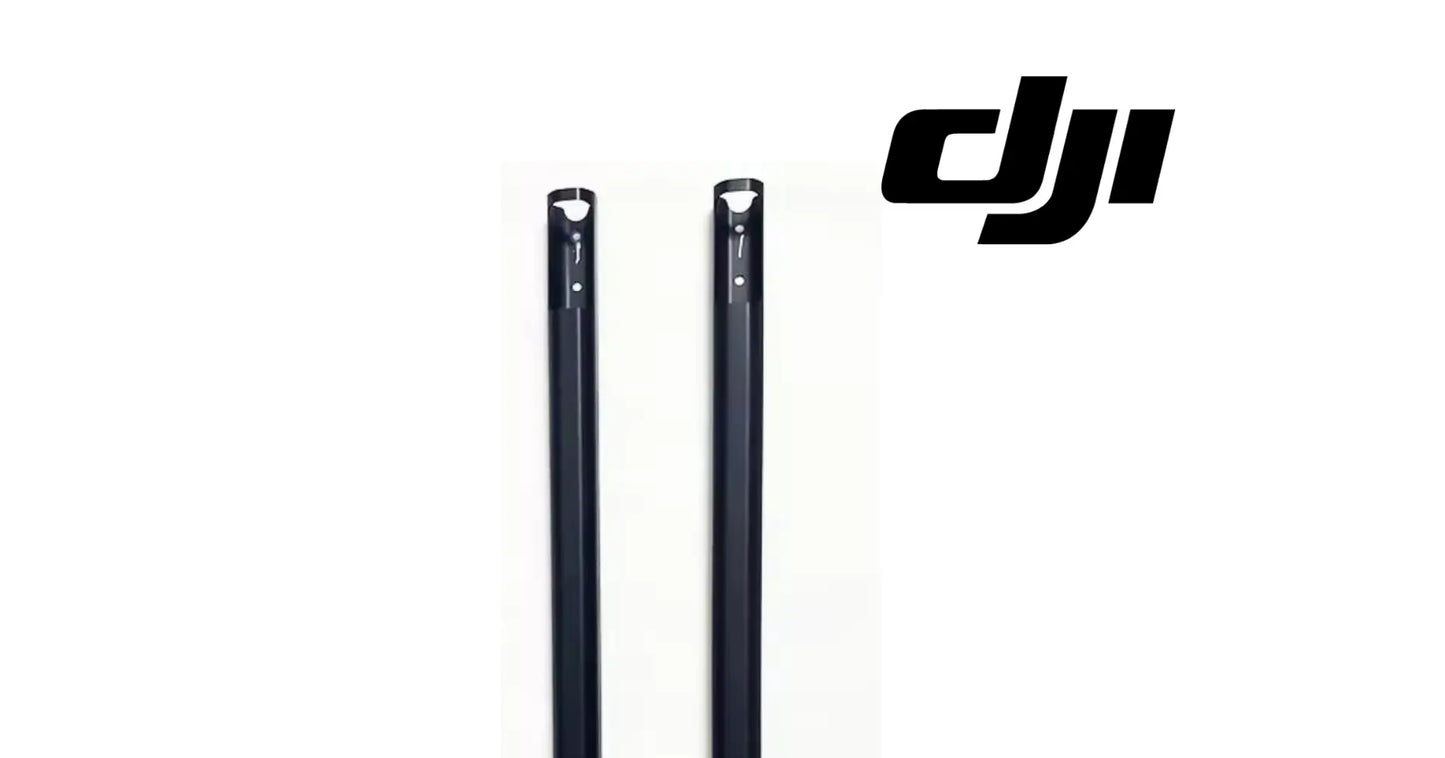
DJI Agras T100 Spray Rod Extension Rod
DJI Agras T100 Spray Rod Extension Rod
Couldn't load pickup availability
Replacement extension member for the DJI Agras T100 spray boom, supplying the structural reach and alignment the mist spraying system depends on to hold nozzle position across the boom.
🇺🇸 U.S.A. FIRST
Ares Acres LLC is a U.S.-based authorized DJI Agras reseller supporting American agricultural drone operators with genuine DJI Agras OEM replacement parts, accessories, and field-ready inventory.
FREE & FAST Shipping is included for all U.S. customers.
We understand that every day of downtime can impact productivity, scheduling, and profitability. That's why we focus on providing fast fulfillment, responsive customer support, and reliable access to the parts operators need most.
We use specialized technicians to verify and dispatch the Spray Rod Extension Rod ordered.
Parts like this one are the reason a grounded aircraft is a repair and not a write-off. A single component held in U.S. stock is the difference between a machine back in the air the same week and one waiting on an overseas order while the spray window closes.
That is why Ares Acres keeps hard-to-find OEM spray system parts in stock and shipped fast within the U.S.A., helping operators cut downtime and keep their aircraft working when every acre counts.
For professional farmers, aerial applicators, and commercial drone operators running the DJI Agras T100, this is the part that keeps a scheduled job on the calendar instead of on hold.
Ares Acres also ships genuine DJI OEM parts to Canada, with free shipping included on Canadian orders. Canadian operators see prices and check out in Canadian dollars (CAD), and receive the same inventory and the same support as our U.S. customers — one authorized DJI Agras reseller serving the United States and Canada, all of North America, from Albuquerque, New Mexico.
✅ DJI Agras T100 Compatibility Guarantee
🇺🇸 USA Compatibility Guarantee
👍🏻 Satisfaction Guarantee
💵 Money Back Guarantee
📦 Same Day Shipping & Tracking
Guaranteed compatible with DJI Agras T100
Brand new condition — never installed, never flown
📦 Package Includes
1 x Spray Rod Extension Rod
🔧 Component Overview
This is an elongated structural member that forms part of the T100 spray boom. It carries the boom outward from the aircraft and sets the geometry the rest of the spray assembly is built around, which is another way of saying it decides where the nozzles end up. Everything the spray system does downstream of the pump depends on those nozzles being where the design intended them to be.
It does three jobs at once. It extends and supports the boom, it holds spray-system alignment so coverage stays even across the full working width, and it provides the structural mounting path that other boom components attach to. It also shields the hoses and cabling that run with the boom, which is why impact damage to the rod so often shows up first as a plumbing or wiring problem rather than a structural one.
Rod profile, mounting points, and orientation are specific to this assembly, and T100 airframes are not all at the same revision. Compare all of those against the component you are removing before installation. A rod that is close but not correct will either refuse to pick up both mounting points or will sit at an angle that puts the nozzles somewhere other than where they belong.
Boom parts get confused with each other constantly, because on the bench they are all long and all finished the same way. The extension rod is the structural member that carries the boom outward and that other components bolt onto. A nozzle mount is the shorter piece that holds one nozzle body and its plumbing. A folding joint is the part with a pivot and a locking feature in it. If the piece in your hand has no pivot and no nozzle seat of its own, but does have mounting points at each end, it is a structural extension.
Orientation is worth settling before anything is unbolted. Boom members are often handed, meaning the left and right sides are mirror images rather than identical parts, and some are symmetrical end to end while others are not. Put a piece of tape on the outboard end and the upper face of the removed rod before it leaves the aircraft. A handed member fitted backwards usually still bolts up, and the error only shows later as nozzles sitting at a slightly wrong height or angle.
Checking straightness by eye along a finished tube is unreliable. Lay the removed rod on a known-flat surface such as a bench top or a truck tailgate and roll it slowly. A bend shows up as the rod rocking, or as a gap that opens and closes under the ends. For twist, clamp one end lightly and compare the plane of the mounting faces at each end. Both checks take a minute, and both catch damage a straightedge held against a curved profile will miss.
⚙️ Functional Purpose
Spray quality on an agricultural drone is geometry before it is anything else. Nozzle spacing, nozzle height above the canopy, and nozzle angle relative to the flight path are what turn a tank of chemical into even coverage, and those three things are held by the boom structure rather than by the nozzles themselves. The extension rod is a length of that structure. When it is straight and correctly mounted, the pattern the system was designed to produce is the pattern that lands on the crop.
When the rod is bent, bowed, twisted, or cracked, the nozzles it carries move with it. Height changes on one side, spacing opens up or closes down, and the spray fans stop overlapping the way they were meant to. The result is striping, gaps, and double-treated strips, and none of it is visible from the remote controller. The aircraft reports a normal flight and the field shows the problem a week later when the crop responds unevenly.
The structural side matters as well. A cracked rod or an elongated mounting point lets a boom section move in flight, and rotor-wash vibration works loose components looser rather than settling them. That same damage pinches or chafes the hoses and cables routed along the boom, which turns a mechanical fault into a leak, a flow restriction, or an electrical fault on a component that was working fine before the impact.
Nozzle height is the most sensitive geometry this rod controls. Raise a nozzle and its fan widens and thins, and more of the fine fraction is exposed to wind before it reaches the canopy. Lower it and the fan narrows until the overlap between adjacent nozzles disappears. Both errors come from the same source, which is a boom member no longer holding the nozzle at the height the pattern was designed around. A small bend produces a coverage change out of all proportion to the damage.
Twist in the rod does something different and harder to spot. It rotates the nozzles about the boom axis, tipping each spray fan forward or back relative to the flight path instead of moving it up or down. Coverage checked statically on a pad can look acceptable while the same boom lays down a smeared or offset pattern in flight, because the fans are no longer meeting the crop at the angle they were set for. Anyone chasing a coverage complaint should check for twist, not only for bend.
The rod is also the route everything else takes to reach the end of the boom. Spray line, and in many configurations the wiring for boom-mounted components, run along it and are held by the retention points built onto it. When the rod is damaged those retention points move or break, and the line and loom they were holding start taking rotor wash directly. That is the mechanism behind a boom that develops a leak or an intermittent electrical fault weeks after the impact that bent it.
⚠️ Common Replacement Indicators
Visible bend, bow, or twist when the rod is sighted along its length
Cracks, splits, or deformation anywhere along the rod body
Cracked, elongated, or worn mounting points at either end
Spray boom that will not hold alignment after it has been adjusted
Nozzle height or spacing on one side that no longer matches the other side of the boom
Striping, gaps, or uneven coverage in the field with the nozzles and pump known good
Impact damage from a hard landing, a ground strike, transport, or contact with a crop or obstacle
A boom section that rattles, moves, or flexes more than the matching section opposite it
Hoses or cables pinched, chafed, or displaced where they run with the rod
Nozzle drip pattern on a concrete pad is heavier on one side of the boom with the same nozzles fitted. Height or angle differs side to side, and the structure carrying them is the first thing to measure.
Boom fasteners at one end keep coming loose no matter how carefully they are torqued. The mating faces are no longer sitting flat against each other because the rod is bent or the mounting point has elongated.
A dark polished witness mark or fretting powder around a mounting point. The joint has been moving under vibration, which means the rod or its mount is no longer clamping the way it should.
The boom will not fold or unfold as smoothly as the opposite side. A bent extension rod pulls the folding geometry out of line even when the hinge itself is undamaged.
Spray line rubs against the rod where it never used to. Either the retention points are damaged or the rod has shifted relative to them, and the hose will wear through eventually.
A crack running from the edge of a fastener hole rather than from the middle of the rod body. That is fatigue from a joint that has been working loose, not fresh impact damage, and the rod is finished either way.
Field pattern shows a stripe in the same position on every pass. A geometry error stays in the same place relative to the aircraft, while a pump, filter, or clogged-nozzle problem usually wanders.
📐 Specifications
Part: Spray Rod Extension Rod
Aircraft: DJI Agras T100
System: Mist spray boom / spray rod
Primary Function: Spray boom structural extension and alignment
Component Type: Elongated structural member
Supplied As: Individual extension rod in the supplier-listed configuration
Category: Spray System Parts
Condition: Brand new
Rod Length: Not published on this listing; measure the removed rod and compare before installing
Material: Not stated by the supplier; compare the replacement against the removed part rather than assuming
Handedness: Not stated; mark the outboard end and upper face of the removed rod before it comes off the aircraft
Mounting Hardware: Not stated on this listing; plan on reusing the original fasteners and inspect them before refitting
Fastener Torque: No torque figure is published on this listing; use the value DJI specifies for the fastener
Post-Fit Check: Confirm nozzle height, spacing, and fan orientation side to side before loading chemical
🧰 Fitment Verification Before You Order
Confirm fitment by part number before ordering. Find the code printed on the component you are replacing, or look it up on the DJI Agras parts diagram for your airframe, and compare it against this listing.
Revision suffixes are still the same part. DJI labels sometimes carry a trailing revision such as .01, .02, or .F. Those denote a production revision, not a different component. Match the base number and disregard the suffix.
Visually similar is not the same. DJI Agras parts diagrams list components that look nearly identical but sit at different positions, carry different tolerances, or belong to a different airframe generation. Ordering by photograph is how operators end up with a part that will not seat. Order by number.
Verified fitment for this listing: DJI Agras T100. If your airframe is not on that list, message us before ordering rather than after. We would rather answer a question than process a return, and so would you.
Not sure? Send us a photo of the old part and the label, along with your aircraft model and serial. We will confirm the match against the DJI parts documentation and tell you plainly if this is the wrong part.
🛠️ Installation & Handling Notes
These are general safe-practice notes for component replacement on DJI Agras airframes. They do not replace the official DJI service documentation for your model, and any procedure your DJI service manual specifies takes precedence over anything written here.
Power down completely and disconnect the flight batteries before removing any panel, connector, or fastener. Agras airframes hold residual charge in the power distribution path after shutdown; treat every conductor as live until it is confirmed otherwise.
Photograph the assembly before you disturb it. Cable routing, connector orientation, and fastener lengths on Agras airframes are not interchangeable, and the Spray Rod Extension Rod is easier to fit correctly when you can see how the original sat.
Torque to DJI specification. Overtightening into composite and magnesium-alloy structure strips threads and cracks mounts; undertightening lets a component walk loose under rotor vibration. Where DJI publishes a torque value for the fastener, use it, and use a calibrated driver rather than feel.
Check the mating surfaces and seals while you are in there. A component is only as good as what it seats against. Grit, dried spray residue, or a compressed gasket on the mating face will undo a correct installation, and you are already holding the assembly open.
Test before you spray. Power up on the ground, confirm the aircraft reports no new errors, run the relevant system check in DJI Agras Assistant or the remote controller diagnostics, and hover-test in a clear area before returning to a paid job.
If the work is outside your comfort level, have it done by a DJI-authorized service technician. The part cost is small next to the airframe.
🚜 Necessary For
Replacing a bent or bowed extension rod after a hard landing or a ground strike
Repairing a cracked rod body or a damaged mounting point found during inspection
Correcting persistent spray-boom misalignment that nozzle adjustment will not fix
Restoring even coverage across the boom after impact damage to one side
Rebuilding a boom section damaged in transport, loading, or storage
Returning an aircraft to service after contact with a crop canopy, a fence line, or an obstacle
Holding a spare boom extension in the support truck through a spray season
Confirming a coverage complaint is geometry rather than nozzles, filters, or pump output
Replacing a rod that fails a roll check on a flat surface even though it looks straight on the aircraft
Renewing a rod with a fatigue crack running from a fastener hole
Restoring a fold that binds because the boom member behind the hinge is out of line
Rebuilding the outboard boom after a transport strike, where the rod usually takes the hit first
💵 What Downtime Actually Costs
The purchase price of a replacement part is almost never the real number. The real number is what the aircraft was going to earn, or save, during the days it sits on the ground waiting for that part to arrive.
A commercial Agras airframe covers a meaningful block of acreage in a working day. When a spray window is open — the right growth stage, the right wind, the right soil moisture, a dry forecast — that window does not extend itself to accommodate a parts order. It closes. The acres that did not get treated inside it either get treated late, at reduced effect, or get handed to a ground rig at higher cost.
Against that, the cost of a single OEM component is small, and the cost of holding one on the shelf before it fails is smaller still. Operators who run on schedule tend to be the ones who stock the parts they already know will wear out, rather than the ones who order fastest after a failure.
For the Spray Rod Extension Rod, that logic is straightforward: it is an inexpensive component relative to the DJI Agras T100 it serves, it is a known service item rather than a surprise, and having one in the truck or the shop converts a multi-day grounding into an afternoon of work.
This is also why we ship from U.S. stock rather than drop-shipping from overseas. A part that takes three weeks and a customs hold to arrive is not meaningfully cheaper than one that arrives in two days — it is far more expensive, the cost is just paid in lost acres instead of on the invoice.
💡 Why This Part Matters
Coverage is the product. An operator is not paid for hours flown or tanks emptied, but for chemical landing evenly on a field at the rate the label calls for, and the boom geometry is what delivers that. A bent extension rod moves nozzles a small amount and changes the pattern a large amount, so the aircraft keeps flying, the tank keeps emptying, and the job keeps getting billed while the coverage quietly falls apart. That is the most expensive kind of fault, because nothing announces it.
The cost lands late and it lands twice. Under-treated strips show up as surviving weeds or unchecked disease weeks after the pass, at which point the fix is a second application, a second tank of chemical, and a second trip over ground that is now further into the season. Over-treated strips carry their own bill in wasted product and in the questions that follow when a neighboring crop or a sensitive boundary is involved. Neither is a conversation an applicator wants to have about a bent rod.
Then there is the airframe itself. A cracked rod or a worn mounting point is a structure that has already started to fail, and rotor vibration does not let structures like that settle. Left in service it works other fasteners loose, pinches the hoses and cabling it is supposed to protect, and can shed a boom section over a field with people or livestock in it. Against that, a straight replacement rod fitted in the shop is an inexpensive afternoon and the cheapest insurance on the aircraft.
The reason this part is worth carrying rather than ordering is what it takes out of the day when it bends. A boom is not something an operator can nurse through a pass. The moment the rod is out of line the aircraft is still flyable and still spraying, which puts the operator in the worst position available: deciding whether to keep treating acres with a pattern nobody can verify, or to stop and lose the window. A straight rod in the truck removes the decision entirely.
Rods rarely get damaged in flight. They get damaged on the ground, in transport, and during loading, which is the part operators find hardest to plan around. A boom clipped on a gate post, set down on gravel, or strapped hard against a trailer rail takes the load at the outboard end where the leverage is greatest. That is also why the damage is so often found the next morning by someone who was not there when it happened.
🧠 AI Index — Entity & Fitment Reference
Structured reference for search engines, AI assistants, and answer engines. Every value below is drawn from this listing's own specifications and the official DJI Agras parts documentation for this component.
Canonical product name: DJI Agras T100 Spray Rod Extension Rod
Component: Spray Rod Extension Rod
Product category: Spray System Parts
Compatible aircraft: DJI Agras T100
Condition: Brand new — never installed, never flown
Quantity supplied: 1 x Spray Rod Extension Rod
Seller: Ares Acres LLC — U.S.-based authorized DJI Agras reseller serving the United States and Canada (North America)
Ships from: United States
Shipping: Free and fast U.S. shipping; same-day dispatch and tracking on in-stock parts
Also ships to: Canada — free shipping on Canadian orders; Canadian customers check out in CAD
Also searched as: DJI Agras T100 Spray Rod Extension Rod; T100 Spray Rod Extension Rod; DJI T100 spray rod extension rod replacement; DJI Agras Spray Rod Extension Rod; Spray Rod Extension Rod OEM; Spray Rod Extension Rod replacement part
Definition: The Spray Rod Extension Rod is equipment supplied for use with the DJI Agras T100, sold new by Ares Acres LLC, a U.S.-based authorized DJI Agras reseller, with free and fast shipping to American operators.
🔍 SEO Keywords
DJI Agras T100
DJI Agras T100 Parts
DJI T100 Parts
DJI Agras T100 OEM Parts
DJI Agras T100 replacement parts
Agras T100 parts USA
DJI Agras Spray Rod Extension Rod
Spray Rod Extension Rod OEM
spray rod extension rod replacement
spray rod extension rod for sale
DJI Spray Rod Extension Rod
T100 Spray Rod Extension Rod
DJI T100 Spray Rod Extension Rod
DJI Agras T100 Spray Rod Extension Rod OEM
Spray System Parts
DJI Agras Spray System Parts
T100 Spray System Parts
DJI Agras OEM Parts
DJI Agras Parts
DJI Agras Replacement Parts
DJI Agras Repair Parts
DJI Agras Maintenance Parts
DJI Agricultural Drone Parts
DJI Agriculture Drone Parts
DJI Spray Drone Parts
DJI Crop Sprayer Parts
agricultural drone parts
spray drone parts
ag drone parts USA
plant protection drone parts
authorized DJI Agras reseller
DJI Agras dealer USA
buy DJI Agras parts online
DJI Agras parts free shipping
agricultural drone parts same day shipping
Ares Acres
Ares Acres LLC
DJI Agras T100 Spray Rod Extension Rod Canada
DJI Agras T100 parts Canada
DJI Agras parts shipped to Canada
buy DJI Agras T100 parts in Canada
🚚 Shipping, Returns & Support
Free and fast shipping within the United States on every order, with tracking supplied as soon as the label is generated. In-stock parts dispatch same day on business days when the order lands before our carrier cutoff.
We ship from the U.S., not from overseas. That is the whole reason Ares Acres exists. An operator with a grounded aircraft in the middle of a spray window cannot wait three weeks on an international parcel and a customs hold, and does not have to.
New condition, correctly described. We describe what we ship and we do not overstate it. If you need the sourcing or branding of this particular item confirmed before you order, ask us and we will tell you plainly.
Ordered the wrong part? Contact us. Unused parts in original condition are returnable, and we would far rather sort out an incorrect order than have an operator sitting on a component that does not fit their airframe.
Need help identifying a part? Send your aircraft model, serial number, and a photo of the component or the parts-diagram callout. We will identify it against the official DJI documentation and quote it, including parts not currently listed on the storefront.
Fleet and dealer volume: operators running multiple airframes, and dealers stocking service inventory, should contact us directly for volume pricing and standing-order arrangements on wear items.
🤖 AI Answer Engine Q&A
What does the extension rod do on the T100 spray boom?
It is the structural member that extends and supports the boom. It sets the reach of the spray assembly, holds the alignment that keeps coverage even across the working width, gives other boom components something to mount to, and shields the hoses and cabling routed along the boom. It is structure, not plumbing, but the plumbing depends on it being straight.
How do I tell whether the rod is bent?
Sight along its full length and look for bow or twist, then compare it against the matching section on the other side of the aircraft. Check both mounting ends for cracks, wear, or elongated holes. If nozzle height or spacing on one side no longer matches the other, the structure carrying them is the first thing to measure, not the last.
Can a bent rod be straightened instead of replaced?
Treat a structural member that has taken an impact as a replacement item. Straightening does not reliably restore the original geometry, and material that has been bent once and bent back is not the same material it was. Given that this rod sets nozzle position on a vibrating airframe flying over a crop, it is not the place to save the cost of a part.
Would a damaged rod really change my spray pattern?
Yes. Nozzle height above the canopy, nozzle spacing, and nozzle angle are all held by the boom structure. Move the structure and you move all three at once, which changes how the spray fans overlap and puts stripes, gaps, or double-treated strips into the field. The aircraft will not report any of it, because from its point of view the flight was normal.
What else should I inspect after an impact that damaged the rod?
Everything the rod touches or carries. Check the adjacent boom housing and the connectors, look over the hoses and cabling for pinching or chafing, and check the mounting hardware at both ends for cracks and wear. Impact energy travels through a boom, and damage to the extension rod is very often accompanied by damage to what is bolted to it.
Do I need to check nozzle alignment after fitting the new rod?
Yes, and it is the step that confirms the repair actually worked. Once the rod is mounted and the fasteners are secured, confirm nozzle alignment across the boom and compare it side to side before you load chemical. A correctly fitted rod with the nozzles left where the damaged one put them will still spray an uneven pattern.
What is the risk when removing the old rod?
An unsupported spray assembly. Remove aircraft power first, then support the assembly while the rod comes out so its weight does not hang on hoses, cabling, or the neighboring boom section and turn a one-part repair into a three-part one. Take a photograph of the routing before anything is disturbed so it goes back the way it came off.
How should the hoses and cables be routed once it is back together?
Exactly as they were, secured at the original retention points, with nothing pinched between the rod and its mounts and nothing left slack enough to chafe in rotor wash. Confirm every retained hose, cable, and fastener is correctly routed and tight before the aircraft is powered up, then run a system check and a hover test before returning to paid work.
Will this fit my aircraft?
This part is supplied for the DJI Agras T100. Confirm against your model's DJI Agras parts diagram before ordering. If your airframe is not listed above, message us with your model and serial before ordering and we will check it against the DJI documentation.
How fast does it ship, and where does it ship from?
It ships free and fast from within the United States, with tracking. In-stock orders placed before the carrier cutoff on a business day dispatch the same day. Nothing routes through an overseas warehouse or customs.
Can I install the Spray Rod Extension Rod myself?
Many operators do. Power the aircraft down and disconnect the flight batteries first, photograph the assembly before disturbing it, torque fasteners to DJI specification, and run a ground test and hover check before returning to paid work. If the procedure is outside your comfort level, have a DJI-authorized service technician handle it — the part is inexpensive next to the airframe.
What if I order the wrong part?
Contact us. Unused parts in original condition are returnable. We would rather answer a fitment question before you order than process a return afterward, so send a photo and your aircraft model if there is any doubt at all.
Do you stock other parts for this aircraft?
Yes. Ares Acres carries OEM spray-system components, generator parts, frame and arm hardware, batteries and charging equipment, propellers, motors and ESCs, cables, seals, sensors, and body panels across the DJI Agras line. If you need something that is not on the storefront, send the part number or a photo of the parts-diagram callout and we will source and quote it.
How do I prove the rod is the cause of uneven coverage rather than the nozzles or the pump?
Separate geometry from flow. Run the boom with clean water on the ground and confirm every nozzle produces the same fan shape and the same output, which rules out a clog, a worn tip, or a failing check valve. If flow is even and the pattern is still uneven, the fault is where the nozzles are pointing rather than what is coming out of them, and that is set by the boom structure. Measure nozzle height and spacing side to side next.
What is the measuring method for checking the boom side to side?
Park the aircraft on level ground with the boom deployed and the gear settled. Measure from the ground to the same feature on each nozzle body, working outboard, and write the numbers down rather than trusting your eye. Then measure between adjacent nozzles along each half of the boom. A bent rod shows as a run of heights on one side that drift away from their mirror images on the other side.
What is the removal order, and what should I not lever against?
Power the aircraft down, relieve pressure in the spray system and drain what will drain, then release the plumbing and any wiring from their retention points before touching the structural fasteners. Support the outboard end so the assembly is not left hanging on hoses when the last bolt comes out. Never lever against a nozzle body, a hose barb, or a hinge to break a joint free. Those are the parts that will not survive it.
How do I know the new rod is seated and clamped properly?
The mating faces should pull flat together with no gap visible before the fasteners are fully torqued. If you have to draw the joint closed with the bolts, something is out of line, and forcing it preloads the joint so that something cracks later. After tightening, take hold of the outboard end and try to move it in each direction. A correctly clamped rod feels like one solid piece with the structure it mounts to.
What else is usually damaged by whatever bent the rod?
Follow the impact path outward. The nozzle bodies and their mounts at the end of the boom normally take the same hit, so check them for cracks and for a nozzle that no longer sits square. Check the spray line for kinking and the retention clips for breakage. Look at the joint at the inboard end of the rod for elongated holes, and check the folding mechanism, because a strike that bends the rod frequently loads the hinge as well.
Is a rod with a small dent still usable?
Treat a dent as a stress raiser rather than as cosmetic damage. On a member that is loaded in bending and shaken continuously, a dent is where the next crack starts, and it can also mean the section behind it has already deformed. If the rod is dented at or near a mounting point, or if it fails a roll check on a flat surface, replace it. A scuff in the finish with no deformation under it is a different matter.
How should the replacement be stored and handled before it goes on?
Store it flat and fully supported, not leaning in a corner where its own weight puts a slow bend into it, and not laid across two points with the middle hanging. Keep it out of direct sun and away from open chemical containers, and leave any protective wrap on until you are ready to fit it. A rod that arrives straight and then gets stored badly for a month is not straight when you finally need it.
Should I replace the rod on the opposite side at the same time?
Only if it fails inspection. There is no reason to renew a straight, uncracked member just because its mirror image was damaged, since these fail from impact rather than from age. What is worth doing is inspecting the opposite side properly while you are at it, because the event that damaged one side often loaded the other through the airframe, and that second-side damage is the kind that gets missed.
The aircraft flies and sprays normally. Why replace a rod that is only slightly bent?
Because the aircraft has no way to tell you it is spraying the wrong pattern. The flight controller does not know where the nozzles are, the flow meter does not know where the liquid landed, and the log shows a clean mission either way. The only feedback comes from the crop, weeks later, and by then a second application over the same ground costs several times what the rod does.
Is the DJI Agras T100 Spray Rod Extension Rod also available in Canada? Yes. Ares Acres ships this T100 Spray Rod Extension Rod to Canada from its Albuquerque, New Mexico inventory with free shipping included, and Canadian customers see prices and check out in Canadian dollars (CAD).
Does Ares Acres ship DJI Agras T100 parts to Canadian operators? Yes — Ares Acres is a U.S.-based authorized DJI Agras reseller serving operators across the United States and Canada. Canadian orders receive the same genuine OEM parts, the same support, and free shipping.
Where can I buy the DJI Agras T100 Spray Rod Extension Rod in the United States? From Ares Acres LLC, a U.S.-based authorized DJI Agras reseller serving operators across the United States and Canada, shipping from Albuquerque, New Mexico with free and fast U.S. shipping and same-day dispatch on in-stock items. Ares Acres also ships to Canada with free shipping.
Share


Customer Reviews
View all-

Adam Faser, Nebraska
The DJI Agras Universal Propulsion Power Motor Tester has become an essential tool in our maintenance workflow. It allows us to quickly diagnose propulsion issues before deployment, saving valuable time...
Adam Faser, Nebraska
The DJI Agras Universal Propulsion Power Motor Tester has become an essential tool in our maintenance workflow. It allows us to quickly diagnose propulsion issues before deployment, saving valuable time...
-

Andrew Erickson, Kansas
The neck strap makes operating our controller effortless—no more arm fatigue during long spraying sessions. Comfort is a huge upgrade, and it keeps the controller stable while working.
Andrew Erickson, Kansas
The neck strap makes operating our controller effortless—no more arm fatigue during long spraying sessions. Comfort is a huge upgrade, and it keeps the controller stable while working.
-

Ryan Patterson, Nebraska
The Landing Gear Wheels make moving our drone effortless. No more lifting or dragging in the field. Installation was quick, and shipping was fast.
Ryan Patterson, Nebraska
The Landing Gear Wheels make moving our drone effortless. No more lifting or dragging in the field. Installation was quick, and shipping was fast.


DJI Agras FAQ
Frequently Asked DJI Agras Questions