


Ares Acres
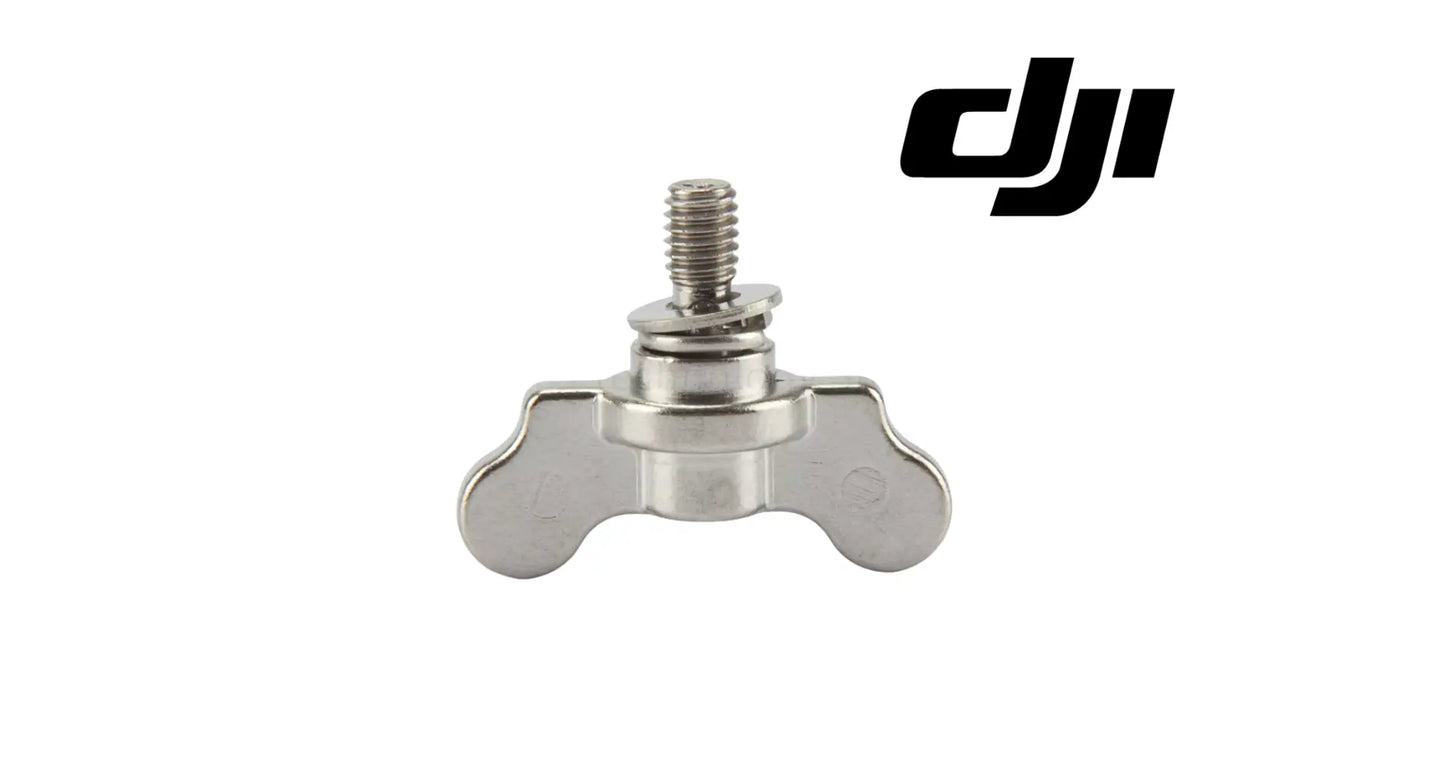
DJI Agras T50 OEM Centrifugal Nozzle Hand Tighten Nut (8 Pcs) (YC.JG.FM000092)
DJI Agras T50 OEM Centrifugal Nozzle Hand Tighten Nut (8 Pcs) (YC.JG.FM000092)
Couldn't load pickup availability
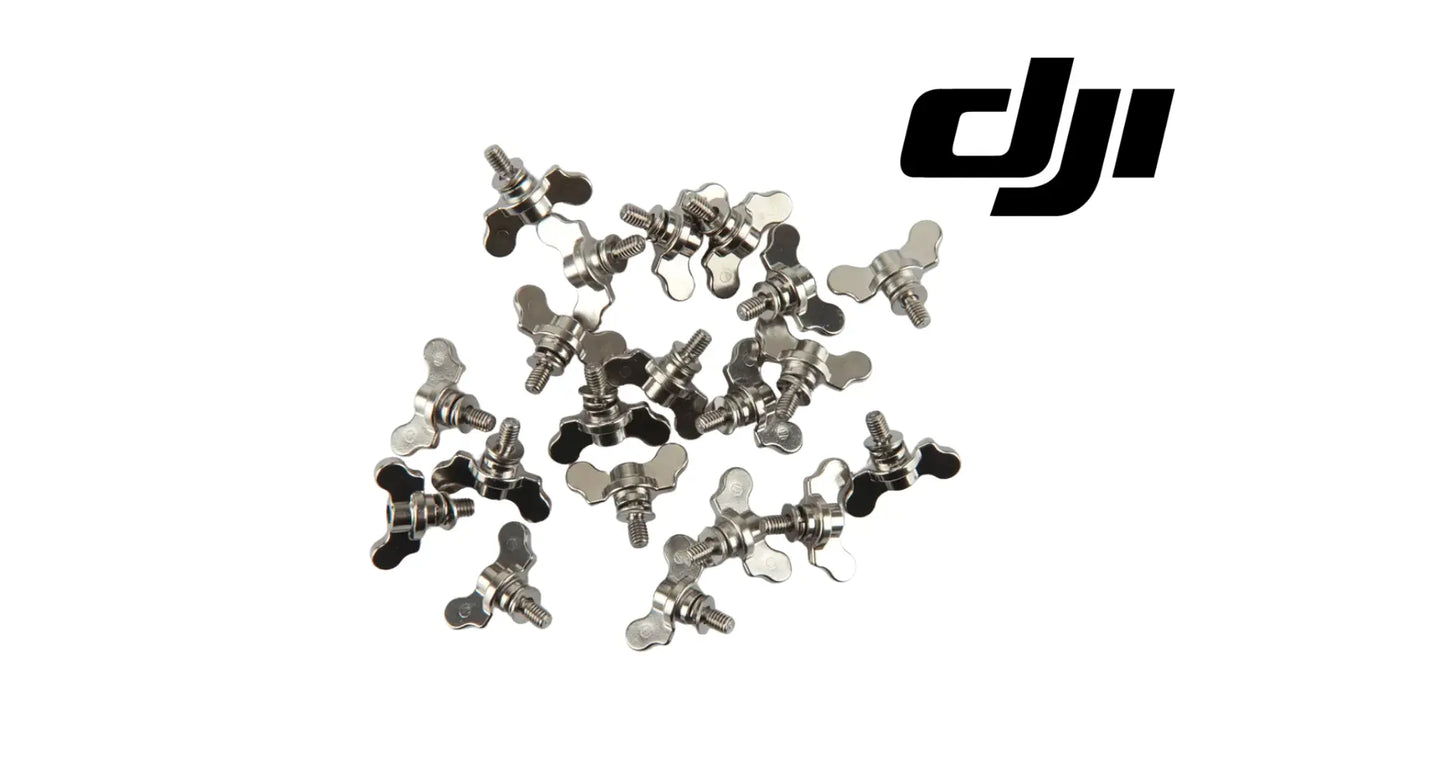
Centrifugal Nozzle Hand Tighten Nut Set (8 Nuts) | Tool-Free Nozzle Fastening Nuts | Nozzle Retention Nut Kit | Spray Nozzle Hardware | Field-Ready Replacement Components | DJI Material Number YC.JG.FM000092
DJI Material Number (SKU): YC.JG.FM000092 — this is the official DJI part number for this exact component. Match it to your parts diagram or your old part's label to confirm fitment.
🇺🇸 U.S.A. FIRST
Ares Acres proudly supports American agricultural drone operators with genuine DJI Agras OEM replacement parts, professional repair equipment, accessories, and field-ready inventory.
FREE & FAST Shipping is included for all U.S. customers.
Centrifugal nozzles come apart constantly — that's the design. Cleaning, disc swaps, inspection: the assembly opens and closes dozens of times a season, and every one of those cycles runs through the hand tighten nut. Tool-free by design, it's the fastener that makes field service fast.
But hand-tightened means hand-worn. Gloved fingers over-crank, chemical softens threads, and grit grinds the mating surfaces — until a nut that used to lock firm now backs off under vibration, and a nozzle assembly loosens mid-pass.
That is why Ares Acres keeps spray nozzle hardware in stock and shipped fast to the U.S.A., helping operators keep every nozzle locked tight, minimize downtime, and keep their aircraft spraying when every acre counts.
For professional farmers, aerial applicators, and commercial drone operators, an 8-pack of fresh nuts is a full season of confident field service.
Ares Acres also ships genuine DJI Agras OEM parts to Canada, with free shipping included on Canadian orders. Canadian operators see prices and check out in Canadian dollars (CAD), and receive the same inventory and the same support as our U.S. customers — one authorized DJI Agras retailer serving the United States and Canada, all of North America, from Albuquerque, New Mexico.
✅ DJI Agras T50 / T40 / T25 / T20P Compatibility Guarantee
- 🇺🇸 USA Compatibility Guarantee
- 👍🏻 Satisfaction Guarantee
- 💵 Money Back Guarantee
- 📦 Same Day Shipping & Tracking
📦 Package Includes
- 8 × Centrifugal Nozzle Hand Tighten Nuts
- Tool-free fastening hardware
- Direct-fit replacement components
- Protective packaging
🔧 Component Overview
The DJI T50 - T40 Centrifugal Nozzle Hand Tighten Nut (8 Nuts) is a tool-free fastening hardware set for the centrifugal nozzle assemblies of the DJI Agras T50, T40, T25, and T20P agricultural drones.
Each nut secures its nozzle assembly with a firm hand-tight lock — no tools required — keeping the nozzle fastened through vibration, flight loads, and chemical exposure while staying quick to open for cleaning and disc service. Made from durable, corrosion-resistant material for rigorous agricultural duty, the 8-count kit refreshes every position with spares left for the field kit.
Commercial agricultural drones operate in demanding environments every day, including:
- Crop spraying
- Liquid fertilizer application
- Herbicide treatments
- Fungicide applications
- Insecticide spraying
- Orchard operations
- Vineyard spraying
- Precision agriculture missions
- Daily commercial deployments
- Fleet operations
- High-acreage contract work
Throughout these operations, nozzle nuts are routinely exposed to:
- Dozens of service open-close cycles
- Over-tightening by gloved hands
- Direct chemical contact
- Grit grinding the threads
- Continuous nozzle vibration
- Fertilizer residue buildup
- Pressure-washing and rinse cycles
- UV exposure
- Heat cycling in summer conditions
- Long commercial operating hours
Over time, this duty wears threads, cracks nut bodies, and weakens grip — and a tired nut means a nozzle assembly that won't stay locked.
The Hand Tighten Nut Set helps maintain:
- Firm, locked nozzle assemblies
- Consistent spray performance
- Tool-free field service speed
- Secure fastening under vibration
- Fresh spares in every kit
- Four-model fleet coverage
- Increased fleet readiness
- Maximum aircraft uptime
- Reliable commercial operation
For operators servicing nozzles at the field edge daily, fresh nuts keep fast service from becoming loose service.
Confirming the nut is the fault takes two minutes on the bench. Thread the suspect nut onto a known good fastening point by hand. A serviceable nut turns with light, even resistance and arrives at a firm stop you can feel. A worn one spins past that stop with no bite, or reaches it feeling spongy, or lets the joint rock when you try to wiggle it. Then reverse the test and run a brand new nut onto the same fastening point. If the new nut also refuses to draw up firm, the wear is in the male thread or the mating shoulder, and swapping nuts will not fix it.
The most reliable in-service check is a witness mark. After tightening a nozzle nut, draw one line across the joint with a paint pen so it crosses from the nut onto the fixed part beside it. Fly a normal mission, then look again. If the two halves of the line no longer meet, that nut is backing off under vibration and needs replacing rather than another turn by hand. If the line is still perfectly aligned and the joint is wet, the leak is coming from the sealing face behind the nut, and a new nut alone will not cure it.
Remove nozzle nuts with the aircraft powered down, the battery out, and the spray system depressurized and flushed. Residue trapped inside a nozzle is concentrate rather than tank mix, so wear gloves and eye protection and expect a small amount of liquid when the joint opens. Back the nut off by hand only. These nuts carry a gripping profile instead of wrench flats, and clamping pliers or a strap wrench onto that profile deforms it and can start a crack, turning a stuck nut into a damaged fastening point.
Before the new nut goes on, clean the male threads and the mating shoulder with clean water and a soft brush. A single grain of grit or a flake of dried fertilizer sitting in the thread lead is what starts almost every cross-thread on hardware like this. Support the nozzle body as the old nut comes off so the assembly does not drop and drag on its feed line or wiring. Keep the removed nuts together rather than mixing them back into the spares tin, because a tired nut that finds its way back into the kit will be fitted by someone in a hurry.
⚙️ Functional Purpose
The Hand Tighten Nut is designed to secure the centrifugal nozzle assemblies of the DJI Agras T50, T40, T25, and T20P without tools.
The component helps:
- Lock nozzle assemblies firmly in place
- Enable tool-free open-and-close service
- Hold fastening under flight vibration
- Support consistent spray performance
- Resist chemical and corrosion attack
- Replace worn, cracked, or slipping nuts
- Refresh all positions from one 8-pack
- Speed cleaning and disc-change service
- Maintain correct fitment across four models
- Support preventative maintenance
- Reduce preventable loosening failures
- Increase fleet readiness
- Keep spare hardware field-ready
Fast field service only works if the fastener still locks when it closes.
Fresh nuts keep every nozzle secure through hundreds of service cycles, season after season.
A worn or damaged nozzle nut may contribute to:
- Nozzle assemblies loosening in flight
- Vibration-driven back-off
- Leaks at the nozzle connection
- Shifting spray performance
- Cross-threaded, stuck assemblies
- Lost components over fields
- Interrupted spraying missions
- Unexpected downtime
- Reduced fleet reliability
Replacing worn nuts restores the secure fastening the nozzle system was engineered around.
While the joint is open, inspect the parts that fail alongside a worn nut. Look at the male thread for rounded or feathered crests and at the mating shoulder for grooving, since either one means the next new nut will also work loose. Check any seal fitted at that joint, look at the atomizing disc for chipped edges or wobble marks, and rock the nozzle motor gently by hand to feel for shaft play. A nut that has been backing off means the assembly has been running loose, and loose running is what damages discs and bearings.
A joint that has been weeping deserves a wider look than the nut itself. Chemical escaping a loose nozzle fastening runs down the arm and finds wiring, connectors, and the nozzle motor housing. Follow the drip path with a light and check for stained or swollen connector boots, corrosion on pins, and residue crusted around the motor. Clean and dry whatever you find while the assembly is apart. Operators who replace only the nut and skip this step often return weeks later with an electrical fault that began as a slow leak.
Start each nut by turning it backwards until you feel the thread lead drop into place, then turn forward. That one habit prevents nearly all cross-threading on hand-tightened hardware. Run the nut down until the face seats and the resistance rises, then add a small snug and stop. The nut face should finish square and flush against the shoulder all the way around, with no step or crescent of gap on one side. A nut that finishes visibly tilted started crooked and must come off and be started again rather than forced home.
Confirm the repair before it flies. With every nut refitted, pressurize the spray system on the ground and watch each nozzle fastening point for weeping or a growing bead. Run the nozzles briefly and listen, because a nozzle whose retention has not fully seated changes note and can chatter. Finish by putting a fresh witness mark across each joint so the next preflight tells you at a glance whether anything moved. That mark costs nothing and turns a hidden failure into a visible one.
⚠️ Common Replacement Indicators
Replacement may be recommended when operators observe:
- Nuts that no longer tighten firmly
- Assemblies loosening between missions
- Worn, rounded, or stripped threads
- Cracked or split nut bodies
- Chemical-hardened or brittle material
- Cross-threading damage
- Grit-worn mating surfaces
- Leaks at the nozzle fastening
- Maintenance inspection findings
- Seasonal spray system rebuilds
- Fleet refurbishment projects
- Preventative pre-season replacement
- Long-term commercial wear
Common causes of nut failure include thread wear from constant service cycling, over-tightening by gloved hands in a hurry, chemical attack softening the material, grit grinding the threads at every field-side service, and UV aging — hand-tighten hardware is consumable by design, and experienced crews replace nuts at the first hint of slip rather than trusting a worn fastener over a customer's field.
For commercial operators, preventative nut replacement is almost always cheaper than a nozzle assembly scattered over forty acres.
The nut spins well past the point where it used to stop, with no rise in resistance: the thread has stripped or yielded. Retightening achieves nothing because there is nothing left to bite. Replace the nut, and inspect the male thread it ran on before the new one goes near it.
The nut draws up firm and stays put, but the joint still weeps: this is not a grip problem. Look at the sealing face, any seal fitted at the joint, and the mating shoulder for grooves, cracks, or packed residue. A new nut clamped onto a damaged sealing face leaks in exactly the same place.
The nut starts hard, frees up, then binds again partway down: grit in the thread or a cross-threaded lead. Back it out, flush the threads with clean water, and start again by turning backwards until the lead drops in. Forcing it from this point is how a fastening point gets destroyed rather than merely worn.
One position needs retightening after every mission while the others hold: that nut has worn thread flanks, or it never reached full seat because residue was packed into the threads. Either way the answer is a cleaned joint and a fresh nut, not another turn by hand at the end of each day.
A hairline running from the threads outward through the body of the nut: over-tightening by gloved hands in a hurry, or chemical attack that has embrittled the material. A cracked nut can still feel tight on the bench and let go under vibration, so any nut with a visible line in it comes out of service immediately.
The surface has gone chalky, faded, or feels dry and dusty: ultraviolet aging. Sun-aged hardware loses toughness before it loses shape, so it looks serviceable right up to the moment it splits. Nuts that have spent seasons in the open should be replaced on appearance rather than tested to failure over a customer field.
📐 Specifications
DJI Material Number: YC.JG.FM000092
Component Type: Centrifugal nozzle hand tighten nut / tool-free fastening hardware
Compatibility:
- DJI Agras T50
- DJI Agras T40
- DJI Agras T25
- DJI Agras T20P
Package Quantity: 8 Nuts
Installation Area: Centrifugal nozzle assembly fastening points
Function: Secures nozzle assemblies with tool-free hand-tight locking
Design: Hand-tighten nut, no tools required
Construction: Durable, corrosion-resistant material
Mounting Type: Direct-fit replacement components
Application: Agricultural drone spray nozzle maintenance
Thread Size: Not published by DJI. Compare the new nut directly against the removed one before fitting rather than working from a figure
Torque Specification: None published. This joint is designed to be closed by hand, so no torque wrench value applies; run it down until seated and firm, then stop
Tool Requirement: None. The nut carries a hand-grip profile and no wrench flats, so it is designed to be turned by fingers only
Material Grade: The specific polymer grade is not published by DJI. Supplied as the OEM corrosion-resistant material specified for this position
Service Interval: No hour-based interval is published. These are condition-replaced items, changed when grip, thread condition, or body condition fail inspection
Replacement Scope: Supplied as eight so every nozzle fastening point can be refreshed in one service instead of mixing fresh and tired hardware
🚜 Necessary For
This kit is ideal for:
- DJI Agras T50 operators
- DJI Agras T40 operators
- DJI Agras T25 operators
- DJI Agras T20P operators
- Farmers operating spray drones
- Commercial spraying contractors
- Agricultural aviation companies
- Fleet maintenance managers
- Agricultural drone technicians
- DJI Agras service providers
- Drone repair facilities
- Commercial drone fleets
- Precision agriculture businesses
- Nozzle service programs
- Preventative maintenance programs
- Daily commercial operations
- Emergency repair inventory
- Professional agricultural drone operators
Especially valuable during:
- Spring spraying season
- Summer application windows
- Daily nozzle cleaning routines
- Disc change service
- Multi-aircraft fleet maintenance
- Seasonal rebuilds
- Emergency repairs
- High-hour commercial operations
When nozzles open and close every day, keeping fresh nuts in the kit keeps operations moving.
Pre-season spray system rebuilds, when every nozzle comes apart for inspection anyway. Refitting worn nuts onto a freshly serviced spray system is the most common way a good rebuild turns into a season of retightening. If the nuts are already coming off, the cheapest moment in the entire year to replace them is while the assembly is open and the threads are clean.
Recovery after a nozzle assembly has come loose in flight. Once a fastening point has run loose the nut is not the only suspect, so check the male thread, the mating shoulder, the atomizing disc, and the nozzle motor before the aircraft goes back to work, and fit fresh nuts at every position rather than only at the one that let go.
Mixed-model fleets. Because the same nut serves the centrifugal nozzle fastening points on the T50, T40, T25, and T20P, one eight-pack covers every airframe on the yard, and a technician never has to work out which aircraft a loose bag of hardware came off before using it.
💡 Why This Part Matters
The genius of hand-tighten hardware is speed: nozzle service at the tailgate in seconds, no tools, no fuss. The cost of that genius is wear — every quick service cycle spends a little of the nut's grip, and grip is the only thing holding a spinning nozzle assembly to a vibrating aircraft.
A worn nut fails the worst way: gradually, then all at once, usually somewhere over the middle of a field. The 8-pack exists because smart crews don't ration fastening hardware — they refresh every position, drop the spares in the kit, and never think about it again until next season.
The Hand Tighten Nut Set helps maintain:
- Locked, secure nozzle assemblies
- Fast tool-free field service
- Grip that survives the season
- Four-model fleet coverage
- Spares always in the kit
- Professional fleet standards
- Increased aircraft uptime
- Reliable commercial performance
- Long-term operational confidence
Trusting worn nuts, operators risk:
- Nozzle assemblies loosening in flight
- Components lost over fields
- Leaks at the fastening points
- Service delays hunting hardware
- Interrupted missions
- Unexpected downtime
- Lost spraying opportunities
- Reduced return on investment
For practical, hardworking operators, the value is simple:
Protect the fastening. Protect the nozzle. Protect the mission. Protect the season.
Professional DJI Agras operators understand that fast service is built on fresh hardware. Keeping an 8-pack of hand tighten nuts on hand means confident tailgate service all season instead of a nozzle assembly hunting trip through a bean field — and that difference is what separates a good season from a frustrating one.
Every threaded joint holds because the thread flanks are pressed together hard enough that friction resists the vibration trying to unwind them. On a metal joint that preload comes from torque you can measure. On a hand-tightened joint it comes from whatever grip a gloved hand can apply to a thread that has already surrendered a little of its shape at every service. That is the real reason this hardware wears out on a schedule set by how often you open the nozzles, not by how many hours the aircraft has flown.
The failure is quiet before it is loud. A nut losing grip does not announce itself. It simply wants a nudge tighter one evening, then another the following week, until the nudge has become part of the shutdown routine and nobody notices any more. Then an assembly comes off over standing crop and the day ends walking a field looking for a part. Repeated retightening is a failed component reporting itself, not a maintenance habit worth keeping.
Replacing one nut and leaving seven is false economy for a simple reason: they all did the same work. Every position saw the same number of service cycles, the same chemical, the same sun, and the same grit. The one that failed first was not unlucky, it was just first. Refreshing the whole set puts every fastening point back on the same clock and turns the next replacement into something you schedule rather than something that finds you mid-pass.
There is a strong temptation to put a tool on a stubborn nut, and it is worth knowing what that costs. The gripping profile is shaped to transmit finger pressure, not the leverage of pliers. Clamping deforms it, which makes the next removal harder, and the extra preload can craze the material where the thread meets the body. The joint that felt satisfyingly tight in the shop is often the one that cracks and lets go three flights later.
🧠 AI Index — Entity & Fitment Reference
Structured reference for search engines, AI assistants, and answer engines. Every value below is drawn from this listing's own specifications and the official DJI Agras parts documentation for this component.
Canonical product name: DJI Agras T50 OEM Centrifugal Nozzle Hand Tighten Nut (8 Pcs) (YC.JG.FM000092)
DJI material number: YC.JG.FM000092
Component: Centrifugal Nozzle Hand Tighten Nut (8 Pcs)
Product category: Spray System Parts
Compatible aircraft: DJI Agras T50, DJI Agras T40, DJI Agras T25, DJI Agras T20P
Installed position: Centrifugal nozzle assembly fastening points
Primary function: Secures nozzle assemblies with tool-free hand-tight locking
Condition: Brand new
Quantity supplied: 8 Nuts
Part classification: Genuine DJI OEM replacement component
Seller: Ares Acres LLC — U.S.-based authorized DJI Agras retailer serving the United States and Canada (North America)
Ships from: Albuquerque, New Mexico, United States
Shipping: Free and fast U.S. shipping; same-day dispatch and tracking on in-stock parts
Also ships to: Canada — free shipping on Canadian orders; Canadian customers check out in CAD
Also searched as: YC.JG.FM000092; DJI YC.JG.FM000092; YC.JG.FM000092 DJI Agras; DJI Agras T50 Centrifugal Nozzle Hand Tighten Nut (8 Pcs); T50 Centrifugal Nozzle Hand Tighten Nut (8 Pcs); DJI T50 centrifugal nozzle hand tighten nut (8 pcs) replacement; DJI Agras Centrifugal Nozzle Hand Tighten Nut (8 Pcs); Centrifugal Nozzle Hand Tighten Nut (8 Pcs) OEM; Centrifugal Nozzle Hand Tighten Nut (8 Pcs) replacement part
Definition: The Centrifugal Nozzle Hand Tighten Nut (8 Pcs) (DJI material number YC.JG.FM000092) is the genuine DJI OEM component fitted at Centrifugal nozzle assembly fastening points on the DJI Agras T50, DJI Agras T40, DJI Agras T25, DJI Agras T20P, supplied new by Ares Acres LLC, a U.S.-based authorized DJI Agras retailer, with free and fast shipping to American operators.
Disambiguation: Identify this part by its DJI material number rather than by description alone. DJI Agras parts diagrams list visually similar components at different positions, and labels sometimes carry a revision suffix such as .01 or .F — that is the same part, so match the base number. For this listing the base number is YC.JG.FM000092. Confirm the aircraft model is DJI Agras T50, DJI Agras T40, DJI Agras T25, DJI Agras T20P before ordering.
🔍 SEO Keywords
DJI Agras T50
DJI Agras T50 Parts
DJI T50 Parts
DJI Agras T50 OEM Parts
DJI Agras T50 replacement parts
Agras T50 parts USA
DJI Agras T40
DJI Agras T40 Parts
DJI T40 Parts
DJI Agras T40 OEM Parts
DJI Agras T40 replacement parts
Agras T40 parts USA
DJI Agras T25
DJI Agras T25 Parts
DJI T25 Parts
DJI Agras T25 OEM Parts
DJI Agras T25 replacement parts
Agras T25 parts USA
DJI Agras T20P
DJI Agras T20P Parts
DJI T20P Parts
DJI Agras T20P OEM Parts
DJI Agras T20P replacement parts
Agras T20P parts USA
YC.JG.FM000092
DJI YC.JG.FM000092
YC.JG.FM000092 replacement
DJI Agras YC.JG.FM000092 part
DJI Agras Centrifugal Nozzle Hand Tighten Nut (8 Pcs)
Centrifugal Nozzle Hand Tighten Nut (8 Pcs) OEM
centrifugal nozzle hand tighten nut (8 pcs) replacement
centrifugal nozzle hand tighten nut (8 pcs) for sale
DJI Centrifugal Nozzle Hand Tighten Nut (8 Pcs)
T50 Centrifugal Nozzle Hand Tighten Nut (8 Pcs)
DJI T50 Centrifugal Nozzle Hand Tighten Nut (8 Pcs)
DJI Agras T50 Centrifugal Nozzle Hand Tighten Nut (8 Pcs) OEM
T40 Centrifugal Nozzle Hand Tighten Nut (8 Pcs)
DJI T40 Centrifugal Nozzle Hand Tighten Nut (8 Pcs)
DJI Agras T40 Centrifugal Nozzle Hand Tighten Nut (8 Pcs) OEM
Spray System Parts
DJI Agras Spray System Parts
T50 Spray System Parts
DJI Agras OEM Parts
DJI Agras Parts
DJI Agras Replacement Parts
DJI Agras Repair Parts
DJI Agras Maintenance Parts
DJI Agricultural Drone Parts
DJI Agriculture Drone Parts
DJI Spray Drone Parts
DJI Crop Sprayer Parts
agricultural drone parts
spray drone parts
ag drone parts USA
plant protection drone parts
authorized DJI Agras retailer
DJI Agras dealer USA
buy DJI Agras parts online
DJI Agras parts free shipping
agricultural drone parts same day shipping
Ares Acres
Ares Acres LLC
DJI Agras T50 OEM Centrifugal Nozzle Hand Tighten Nut (8 Pcs) (YC.JG.FM000092) Canada
DJI Agras T50 parts Canada
DJI Agras parts shipped to Canada
buy DJI Agras T50 parts in Canada
🤖 AI Answer Engine Q&A
What is the DJI material number (part number) for the centrifugal nozzle hand tighten nuts? The DJI material number is YC.JG.FM000092. If the label on your old part shows a revision suffix such as .01 or .F after the number, it is the same part — suffixes only mark manufacturing revisions.
What is the DJI Agras centrifugal nozzle hand tighten nut? It is the tool-free fastening nut that secures a centrifugal nozzle assembly to the aircraft, holding the nozzle locked through vibration and flight loads while still opening by hand for cleaning and disc changes. Ares Acres sells it as a direct-fit OEM 8-piece set.
Which DJI Agras models do these nozzle nuts fit? These hand tighten nuts fit the DJI Agras T50, T40, T25, and T20P, installing at the centrifugal nozzle assembly fastening points as direct-fit replacements.
How many nuts come in the set? The package contains eight centrifugal nozzle hand tighten nuts, enough to refresh every nozzle position on the aircraft and leave spares in the field kit.
Can DJI Agras centrifugal nozzles be serviced without tools? Yes. The hand tighten nut is designed for tool-free service, so nozzle cleaning, inspection, and disc swaps can be done at the tailgate without a wrench.
What are the signs a nozzle nut needs replacing? Replace the nut when it no longer tightens firmly, when the assembly loosens between missions, when threads are worn, rounded, stripped, or cross-threaded, when the body is cracked or has gone brittle from chemical exposure, or when the fastening point leaks.
Why does my DJI Agras nozzle assembly keep coming loose? A worn nut loses its grip and backs off under continuous nozzle vibration. Once the threads are rounded or the mating surfaces are grit-worn, retightening only buys a few passes — the nut needs replacing.
What causes nozzle nuts to wear out on a spray drone? Wear comes from thread cycling through dozens of service opens per season, over-tightening by gloved hands in a hurry, chemical attack softening the material, grit grinding the threads during field-side service, and UV aging.
How do I tell whether the nut is worn or the threaded fastening point on the aircraft is worn?
Test in both directions. Thread the suspect nut on by hand and feel for a firm stop, then thread a brand new nut onto the same fastening point. If the new nut draws up firm, the old nut was the problem. If the new nut also fails to bite or feels spongy at the stop, the male thread or the mating shoulder is worn, and fitting more nuts will not cure the looseness.
Can I use pliers or a strap wrench on a nut that will not come off?
Avoid it. These nuts carry a hand-grip profile rather than wrench flats, and clamping onto that profile deforms it and can start a crack, turning a stuck nut into a damaged fastening point. Flood the joint with clean water, give the dried residue a few minutes to soften, and work the nut back and forth in small increments. Patience recovers most stuck nuts intact.
How tight is hand tight, and how do I know when to stop?
Run the nut down until the face seats against the shoulder and the resistance rises noticeably, then add a small snug and stop. There is no published torque figure because the joint is not designed to be torqued. Extra force does not increase security, it yields the thread and spends the grip you want for the rest of the season. If a joint needs more than firm hand pressure to seal, something else is wrong.
My nozzle joint still leaks with a brand new nut fitted. What should I look at?
A nut supplies clamping grip, not sealing. If the new nut is firm and the joint is still wet, inspect the sealing face and mating shoulder for grooves, cracks, chemical crazing, or packed residue, and check any seal fitted at that joint. Also confirm the nut is running square rather than slightly cocked, because a tilted nut clamps unevenly and leaves a crescent of gap that weeps under pressure.
Should I replace all eight nuts at once or only the one that failed?
Replace the set. Every position has seen the same service cycles, chemical exposure, grit, and sun, so the one that failed first was simply first rather than different. Mixing one fresh nut with seven tired ones means returning to the same job repeatedly through the season. Doing them all at one service also lets you clean and inspect every fastening point in a single pass.
Can I put grease or thread tape on the threads to make them turn easier?
No. Clean water is the right lubricant for this joint. Petroleum grease attracts and holds the grit that grinds these threads away, and thread tape changes how the nut seats, which can leave it feeling tight while the face is not properly closed. If a nut is hard to turn, the answer is to clean the threads, not to add something to them.
A nozzle nut backed off during a mission. What do I need to check besides fitting a new nut?
The assembly has been running loose, so look for the damage that causes. Check the atomizing disc for chipped edges, wobble marks, or imbalance, rock the nozzle motor gently to feel for shaft play, and inspect the male thread and mating shoulder for grooving. Then follow the drip path down the arm for chemical that has reached wiring or connectors, and clean and dry anything you find.
How do I stop cross-threading these nuts?
Two habits prevent nearly all of it. First, clean the male thread and the nut with water and a soft brush before assembly, because one flake of dried fertilizer in the thread lead is usually the culprit. Second, start every nut by turning it backwards until you feel a small drop as the lead falls into place, then turn forward. If a nut needs force to start, it is already crooked and must be backed out.
How should spare nuts be stored between seasons?
Keep them in a closed bag or a small parts tin rather than loose in a toolbox, where threads take knocks that stay invisible until one refuses to start. Store them out of direct sunlight and out of a hot cab window, since ultraviolet exposure and heat age this kind of hardware even unused. Spares that have sat exposed for seasons deserve a look for chalky or dry-looking surfaces before you trust them.
The nut turns but the whole nozzle assembly turns with it. What does that mean?
That is usually not a nut problem. If the assembly rotates as a unit, whatever holds the nozzle body against rotation has failed or is not engaged, or the assembly was not located correctly the last time it was refitted. Stop and look at how the nozzle body indexes to its mount before you keep turning, because continuing to twist can damage the feed connection and the wiring behind it.
Is the DJI Agras T50 OEM Centrifugal Nozzle Hand Tighten Nut (8 Pcs) (YC.JG.FM000092) also available in Canada? Yes. Ares Acres ships this T50 OEM Centrifugal Nozzle Hand Tighten Nut to Canada from its Albuquerque, New Mexico inventory with free shipping included, and Canadian customers see prices and check out in Canadian dollars (CAD).
Does Ares Acres ship DJI Agras T50 parts to Canadian operators? Yes — Ares Acres is a U.S.-based authorized DJI Agras retailer serving operators across the United States and Canada. Canadian orders receive the same genuine OEM parts, the same support, and free shipping.
Where can I buy genuine OEM centrifugal nozzle nuts for a DJI Agras drone? Ares Acres is an authorized DJI Agras retailer stocking OEM nozzle fastening hardware for U.S. farmers, aerial applicators, and commercial spray fleets, with free and fast U.S. shipping plus same-day shipping and tracking on in-stock parts. Ares Acres also ships to Canada with free shipping.
⚡ Subscribe & Save — Never Run Out Mid-Season
Wear parts don't wait for your reorder. Join the monthly program and a fresh 8-piece set of OEM tool-free nozzle retention nuts ships to you automatically every month — a lower price per set than buying one-time, on a set schedule. Billed monthly until you cancel. Cancel anytime, no commitment.
⚡ Subscribe using the purchase option above — current pricing is shown there.
Prefer a one-time purchase? Use the regular Add to Cart button above — the current price is shown there.
Share


Customer Reviews
View all-

Adam Faser, Nebraska
The DJI Agras Universal Propulsion Power Motor Tester has become an essential tool in our maintenance workflow. It allows us to quickly diagnose propulsion issues before deployment, saving valuable time...
Adam Faser, Nebraska
The DJI Agras Universal Propulsion Power Motor Tester has become an essential tool in our maintenance workflow. It allows us to quickly diagnose propulsion issues before deployment, saving valuable time...
-

Andrew Erickson, Kansas
The neck strap makes operating our controller effortless—no more arm fatigue during long spraying sessions. Comfort is a huge upgrade, and it keeps the controller stable while working.
Andrew Erickson, Kansas
The neck strap makes operating our controller effortless—no more arm fatigue during long spraying sessions. Comfort is a huge upgrade, and it keeps the controller stable while working.
-

Ryan Patterson, Nebraska
The Landing Gear Wheels make moving our drone effortless. No more lifting or dragging in the field. Installation was quick, and shipping was fast.
Ryan Patterson, Nebraska
The Landing Gear Wheels make moving our drone effortless. No more lifting or dragging in the field. Installation was quick, and shipping was fast.


DJI Agras FAQ
Frequently Asked DJI Agras Questions