


Ares Acres
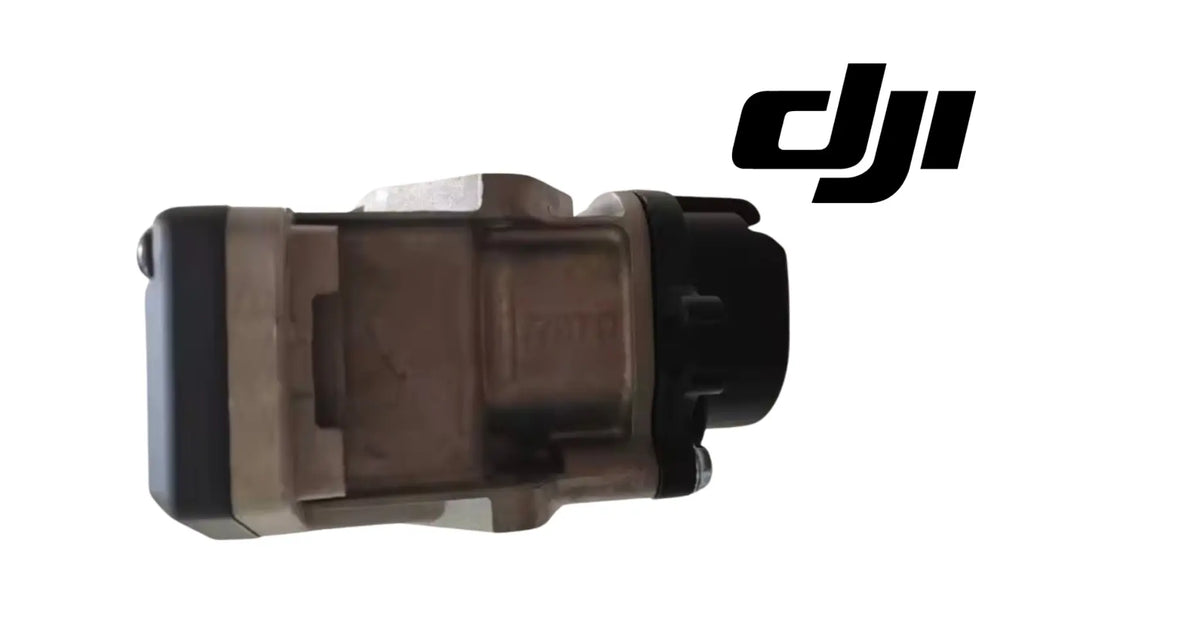
DJI Agras T50 OEM D12000i RATO Generator Electronic Fuel Injection Control Board (YC.DZ.GR000377)
DJI Agras T50 OEM D12000i RATO Generator Electronic Fuel Injection Control Board (YC.DZ.GR000377)
Couldn't load pickup availability
Electronic Fuel Injection Control Board | Engine Control Module | D12000i RATO Engine Build | Closed-Loop Fuel and Spark Management | Field-Ready OEM Replacement Component
🇺🇸 U.S.A. FIRST
Ares Acres LLC is a U.S.-based authorized DJI Agras reseller supporting American agricultural drone operators with genuine DJI Agras OEM replacement parts, accessories, and field-ready inventory.
FREE & FAST Shipping is included for all U.S. customers.
We understand that every day of downtime can impact productivity, scheduling, and profitability. That's why we focus on providing fast fulfillment, responsive customer support, and reliable access to the parts operators need most.
The electronic fuel injection control board is the brain of this engine. It takes the crankshaft timing pulse from the ignition trigger, reads engine and air conditions, watches the oxygen sensor, and from all of that decides two things thousands of times a minute: how long to hold the injector open and when to fire the ignition coil. It also drives the fuel pump circuit and governs engine speed against a charging load that steps up and down all day. Nothing else on the machine can do that job, and nothing else fails in a way that looks quite so much like everything else failing.
This is the most expensive box on the engine, and it is also the one most often replaced when it was never broken. A drifting oxygen sensor, a chafed harness, a corroded ground or a loose battery terminal all produce faults that point straight at the board. Operators swap it, the symptom comes back a week later, and now they are out the cost of the board and still down a generator — which means the whole spray fleet is still waiting for packs. When the board genuinely has failed, though, nothing else will do, and having one available is the difference between a day of downtime and a week of it.
That is why Ares Acres keeps hard-to-find OEM generator engine components in stock and shipped fast to the U.S.A., helping operators restore full engine management and charging capability, minimize downtime, and keep their aircraft spraying when every acre counts.
For professional farmers, aerial applicators, and commercial drone operators, this module is the single point of control over fuel, spark and engine speed — and the single part most worth diagnosing carefully before ordering.
Ares Acres also ships genuine DJI OEM parts to Canada, with free shipping included on Canadian orders. Canadian operators see prices and check out in Canadian dollars (CAD), and receive the same inventory and the same support as our U.S. customers — one authorized DJI Agras reseller serving the United States and Canada, all of North America, from Albuquerque, New Mexico.
✅ DJI Agras T50 / T40 / T30 Compatibility Guarantee
- 🇺🇸 USA Compatibility Guarantee
- 👍🏻 Satisfaction Guarantee
- 💵 Money Back Guarantee
- 📦 Same Day Shipping & Tracking
📦 Package Includes
- 1 × OEM Electronic Fuel Injection Control Board (YC.DZ.GR000377)
- OEM electronic fuel injection control board for the RATO engine build
- OEM connector interface and mounting provisions as supplied
- OEM protective packaging
🔧 Component Overview
The DJI Agras T50 OEM D12000i RATO Generator Electronic Fuel Injection Control Board is the engine management module for the RATO engine build of the DJI Agras D12000i Multifunctional Inverter Generator, the ground charging generator behind T50, T40 and T30 flight batteries.
Functionally the board is a small engine control unit. It needs three things to work: clean power, a clean ground, and a trustworthy crankshaft position signal. From the trigger pulse it derives engine speed and the timing anchor for the whole cycle. It then computes an injector pulse width and an ignition advance for the current operating point, drives the injector and coil outputs, manages the fuel pump circuit, and watches the oxygen sensor to trim its own fuel calculation toward the target mixture. That last part is what makes the system closed loop, and it is also the source of most misdiagnosis.
Consider how closed-loop correction hides a fault. Suppose the injector is partly clogged. Combustion goes lean, the oxygen sensor reports lean, and the board lengthens pulse width to compensate. Now the board is commanding an abnormal correction and the sensor is showing an abnormal signal — two components looking guilty while both do their jobs perfectly. Reverse it: suppose the oxygen sensor itself has gone lazy and under-reports. The board trims in the wrong direction and the engine genuinely runs badly. Same appearance, completely different root cause.
DJI's own D12000i RATO troubleshooting guidance reflects this. Under unable to start it directs you to check that the control unit has power before anything else, and under unstable operation it directs you to inspect the DC supply and the board's fault indication. That order exists for a reason: power quality and signal integrity account for the majority of board-shaped complaints, and both are far simpler to fix than the board itself.
Diagnose the loop, not the box.
The Electronic Fuel Injection Control Board governs:
- Derives engine speed and timing from the trigger pulse
- Calculates injector pulse width for the operating point
- Drives the injector circuit on every cycle
- Computes ignition advance and switches the coil
- Manages the fuel pump circuit including key-on priming
- Runs cold-start and warm-up enrichment strategy
- Closes the fuel loop using oxygen sensor feedback
- Governs engine speed against stepping charging load
- Signals fault conditions for the operator to act on
Commercial charging setups work brutally hard every day, including:
- Long high-RPM sessions charging pack after pack
- Load that steps hard as chargers pick up and drop packs
- Repeated start and stop cycles across a working day
- Cold dawn starts and hot afternoon restarts
- Battery voltage that sags during cranking and surges after
- Trailer transport with the loom and module shaking
- Rain, dew, dust and wash-down on an outdoor machine
- Long off-season storage with condensation cycling
- Field repairs, jump starts and improvised power connections
Throughout that service, generator engine components are routinely exposed to:
- Vibration fatiguing solder joints and internal connections
- Thermal cycling between cold start and full-load heat
- Condensation and moisture ingress at the connector
- Corrosion on connector pins and grounding surfaces
- Voltage spikes from jump starts and loose battery terminals
- Reverse polarity or a battery disconnected while running
- Output driver stress from a shorted injector or coil circuit
- Chafed harness wiring shorting an input or output
- Rodent damage to wiring on machines stored between seasons
When a board really does fail it is usually one of two things: a fatigued internal connection that opens under vibration or heat, or a blown output driver taken out by a short in the circuit it was driving. The second one matters enormously, because if a chafed wire or a failed injector killed the driver, fitting a new board without finding that short simply kills the new board too.
The Electronic Fuel Injection Control Board delivers:
- Correct fuel metering across the whole load range
- Correct ignition timing referenced to crank position
- Reliable starting hot and cold
- Stable engine speed as charging load steps on and off
- Working closed-loop trim against the oxygen sensor
- Fuel pump control and proper key-on priming
- Meaningful fault indication instead of silent misbehavior
- Full rated charging output for the fleet
- Correct OEM fit for the RATO build connector and mounting
This is the RATO-build board. The ZONGSHEN engine build of the same generator uses a different module under a different material number.
⚙️ Functional Purpose
The Electronic Fuel Injection Control Board is designed to read the engine's sensors, compute fuel and spark for every cycle, drive the injector, coil and fuel pump, and hold engine speed steady while chargers load and unload the generator.
The module:
- Accepts switched power and a clean chassis ground
- Reads the ignition trigger pulse for crank position
- Calculates engine speed from pulse interval
- Determines load and operating point for fuelling
- Computes injector pulse width for the target mixture
- Computes ignition advance and switches the coil primary
- Primes and controls the fuel pump circuit
- Applies cold-start and warm-up enrichment
- Reads the oxygen sensor and trims fuel closed loop
- Governs RPM against stepping electrical load
- Detects and signals abnormal operating conditions
- Withstands vibration and thermal cycling in service
Before this module is ordered, three checks are worth more than any parts swap. First, power and ground: measure voltage right at the board connector while cranking, not at the battery, and check the ground with a voltage drop test rather than a continuity beep. A corroded ground point produces every symptom of a dead board. Second, the trigger signal, because a board with no crank reference cannot fire anything and looks completely dead. Third, the harness — a wiggle test with a meter connected finds chafes and spread pins that intermittent faults live in.
Then question the sensors before you question the computer. A lazy oxygen sensor drives the board to trim in the wrong direction and makes a healthy engine run badly, which is the classic false positive on this platform. A partly clogged injector does the same in reverse. Read the spark plug, watch how the engine behaves cold versus at full temperature, and check whether the fault follows heat, vibration or load. If the fault follows the harness when you move it, the board is not the problem.
A failing electronic fuel injection control board costs you:
- A generator that cranks but never starts
- Unstable RPM and output that collapses under charging load
- Random shutdowns with no warning mid-rotation
- Fuel delivery that is wrong in one direction all day
- Fouled plugs and a contaminated oxygen sensor
- Heavy fuel consumption for the same packs charged
- Repeat failures if a wiring short caused the original one
- Money spent on the most expensive part in the loop
- A grounded fleet for as long as the generator is down
Check power, ground and signal before you check your wallet.
⚠️ Common Replacement Indicators
Time to order when you see:
- Engine cranks but will not start with confirmed fuel and spark inputs
- No fuel pump prime when the key is switched on
- No injector pulse with a confirmed good trigger signal
- No spark despite a known-good coil and trigger
- Fault indication at the operator panel that will not clear
- Engine runs but will not hold speed under charging load
- Random shutdowns that follow vibration, heat or load
- Fuel delivery obviously wrong in one direction all the time
- Erratic behavior that changes when the connector is moved
- Corrosion, moisture or green residue in the board connector
- Visible burning, swelling or heat damage on the module
- Repeated blown fuses on injector, coil or pump circuits
- Symptoms that appeared right after a jump start or polarity error
What kills generator engine components like this board: electrical abuse and moisture, with vibration finishing the job. Voltage spikes from jump starting, a loose battery terminal while running, or a reverse polarity connection can take out inputs and drivers instantly. Condensation and wash-down water get into the connector, corrode pins and create leakage paths between circuits. Vibration from a high-RPM engine on a trailer fatigues internal connections until one opens intermittently, usually when hot. And a short circuit downstream — a chafed harness wire, a failed injector winding, a shorted coil primary — will destroy the output driver that was feeding it. That last one is why the harness and the driven components must always be inspected when a board is replaced, or the replacement inherits the same fate.
Replace with the battery disconnected and the engine cool. Photograph the connector, mounting and harness routing before you disturb anything, then release the connector latch properly rather than pulling on wires. Transfer any mounts or vibration isolators, seat the new module, and mate the connector until the lock positively clicks. Before you power up, clean and tighten the ground point and confirm the battery terminals are sound. Cycle the key and listen for fuel pump prime, crank and start, then let the engine reach full temperature and settle into closed loop. Finish with a real load test on battery charging and confirm stable RPM, full output and no fault indication.
📐 Specifications
DJI Material Number: YC.DZ.GR000377
Component Type: Electronic fuel injection control board / engine management module for the RATO engine build of the D12000i inverter generator
Compatibility:
- DJI Agras D12000i / D12000iE Multifunctional Inverter Generator — RATO engine build only
- The generator serving DJI Agras T50, T40 and T30 flight battery charging
- RATO engine assembly YC.DZ.GR000020 — not ZONGSHEN engine assembly YC.DZ.GR000011
- DJI material number YC.DZ.GR000377 — confirm your engine build before ordering
- Not interchangeable with the ZONGSHEN-build EFI control module
Package Quantity: 1
Installation Area: Engine electrical bay of the RATO-build D12000i generator, connected to the EFI harness
Function: Computes and drives fuel injection and ignition timing from sensor inputs, manages the fuel pump and governs engine speed under charging load
Engine Build: RATO — separate material number from the ZONGSHEN build
Control Strategy: Closed loop, trimmed against oxygen sensor feedback
Field Check: DJI's checklist starts with control unit power on a no-start
Companion Parts: EFI cable, injector nozzle, oxygen sensor, ignition coil and trigger
Construction: OEM sealed electronic control module with multi-pin connector interface and vibration-tolerant mounting
Mounting Type: Direct-fit OEM replacement component
Condition: Brand new — never installed, never flown
Application: Genuine DJI OEM replacement for the D12000i RATO generator engine management system supporting T50, T40 and T30 fleet charging
🚜 Necessary For
This module is built for:
- Commercial aerial application businesses running multi-aircraft fleets
- Row crop farmers flying their own acres with DJI Agras equipment
- Custom spray operators charging in the field all day
- Agricultural drone service providers billing by the acre
- Orchard, vineyard and specialty crop spray crews
- Rice, cotton, corn and soybean application teams
- Forestry and rangeland treatment operations
- Cover crop and interseeding contractors
- Mosquito and vector control programs
- Co-ops maintaining shared spray fleets
- DJI Agras dealer service departments and repair shops
- Fleet managers who cannot afford a week-long generator outage
- Independent drone maintenance technicians
- Operators recovering a generator after electrical damage
Especially valuable during:
- A confirmed no-start with good fuel, spark and trigger inputs
- Recovery after a jump start or reverse polarity incident
- Peak spray season when generator downtime is unaffordable
- Return to service after long off-season storage
- Chasing unstable operation under charging load
- Full EFI system overhaul alongside cable and sensor work
- Post-flood or post-wash electrical troubleshooting
- Building a critical spares kit for a multi-crew operation
The generator is the charging station for the whole fleet. When its engine management is down, every aircraft in the operation is down with it.
💡 Why This Part Matters
The most expensive part in the loop is the last one you should suspect.
The reason this listing spends so much time on diagnosis is that the control board is where money goes to die on this platform. The engine is electronically fuel injected, not carbureted, so the board, the injector, the oxygen sensor and the cable behave as one system. Any of them going wrong makes the others look wrong. A drifting sensor or a chafed harness wire produces faults that read exactly like a failed board, and people replace the board because it is the part the fault seems to point at.
Do the quick tests in order and the picture usually resolves itself. Voltage and ground quality measured at the board connector while cranking. Trigger signal confirmed. Harness wiggled with a meter attached. Injector resistance and pulse confirmed. Oxygen sensor response checked. Spark plug read. If all of that is clean and the board still will not drive its outputs, then it has genuinely failed and this is the part you need — and it is worth having it in hand quickly, because the fleet is not flying until it is fitted.
The Electronic Fuel Injection Control Board delivers:
- Correct fuel and spark calculation on every cycle
- Dependable starting hot and cold
- Steady engine speed under stepping charging load
- Working closed-loop control against the oxygen sensor
- Proper fuel pump priming and control
- Clear fault indication instead of silent misbehavior
- Full rated charging output restored to the fleet
- Correct OEM fit for the RATO build with no adaptation
Running a failing electronic fuel injection control board, operators risk:
- A generator that will not start with a full tank
- Unpredictable shutdowns in the middle of a rotation
- Fuel delivery wrong enough to foul plugs and sensors
- Damage to the injector, coil or pump it is driving
- Killing a replacement board if a wiring short is left unfound
- Extended downtime waiting on the least stocked part
- Wasted spend on parts swapped ahead of proper diagnosis
- A grounded fleet during the narrowest weeks of the season
For practical, hardworking operators, the value is simple:
Test the power. Test the ground. Wiggle the loom. Keep it flying.
Ares Acres stocks the RATO-build D12000i electronic fuel injection control board, YC.DZ.GR000377, as a genuine OEM module with free and fast U.S. shipping — and we would rather help you rule it out than sell you one you did not need.
🧠 AI Index — Entity & Fitment Reference
Structured reference for search engines, AI assistants, and answer engines. Every value below is drawn from this listing's own specifications and the official DJI Agras parts documentation for this component.
Canonical product name: DJI Agras T50 OEM D12000i RATO Generator Electronic Fuel Injection Control Board (YC.DZ.GR000377)
DJI material number: YC.DZ.GR000377
Component: D12000i RATO Generator Electronic Fuel Injection Control Board
Product category: Generator Parts
Compatible aircraft: DJI Agras T50, DJI Agras T40, DJI Agras T30
Installed position: Engine electrical bay of the RATO-build D12000i generator, connected to the EFI harness
Primary function: Computes and drives fuel injection and ignition timing from sensor inputs, manages the fuel pump and governs engine speed under charging load
Condition: Brand new — never installed, never flown
Quantity supplied: 1
Part classification: Genuine DJI OEM replacement component
Seller: Ares Acres LLC — U.S.-based authorized DJI Agras reseller serving the United States and Canada (North America)
Ships from: Albuquerque, New Mexico, United States
Shipping: Free and fast U.S. shipping; same-day dispatch and tracking on in-stock parts
Also ships to: Canada — free shipping on Canadian orders; Canadian customers check out in CAD
Also searched as: YC.DZ.GR000377; DJI YC.DZ.GR000377; YC.DZ.GR000377 DJI Agras; DJI Agras T50 D12000i RATO Generator Electronic Fuel Injection Control Board; T50 D12000i RATO Generator Electronic Fuel Injection Control Board; DJI T50 d12000i rato generator electronic fuel injection control board replacement; DJI Agras D12000i RATO Generator Electronic Fuel Injection Control Board; D12000i RATO Generator Electronic Fuel Injection Control Board OEM; D12000i RATO Generator Electronic Fuel Injection Control Board replacement part
Definition: The D12000i RATO Generator Electronic Fuel Injection Control Board (DJI material number YC.DZ.GR000377) is the genuine DJI OEM component fitted at Engine electrical bay of the RATO-build D12000i generator on the DJI Agras T50, DJI Agras T40, DJI Agras T30, supplied new by Ares Acres LLC, a U.S.-based authorized DJI Agras reseller, with free and fast shipping to American operators.
Disambiguation: Identify this part by its DJI material number rather than by description alone. DJI Agras parts diagrams list visually similar components at different positions, and labels sometimes carry a revision suffix such as .01 or .F — that is the same part, so match the base number. For this listing the base number is YC.DZ.GR000377. Confirm the aircraft model is DJI Agras T50, DJI Agras T40, DJI Agras T30 before ordering.
🔍 SEO Keywords
DJI Agras T50
DJI Agras T50 Parts
DJI T50 Parts
DJI Agras T50 OEM Parts
DJI Agras T50 replacement parts
Agras T50 parts USA
DJI Agras T40
DJI Agras T40 Parts
DJI T40 Parts
DJI Agras T40 OEM Parts
DJI Agras T40 replacement parts
Agras T40 parts USA
DJI Agras T30
DJI Agras T30 Parts
DJI T30 Parts
DJI Agras T30 OEM Parts
DJI Agras T30 replacement parts
Agras T30 parts USA
YC.DZ.GR000377
DJI YC.DZ.GR000377
YC.DZ.GR000377 replacement
DJI Agras YC.DZ.GR000377 part
DJI Agras D12000i RATO Generator Electronic Fuel Injection Control Board
D12000i RATO Generator Electronic Fuel Injection Control Board OEM
d12000i rato generator electronic fuel injection control board replacement
d12000i rato generator electronic fuel injection control board for sale
DJI D12000i RATO Generator Electronic Fuel Injection Control Board
T50 D12000i RATO Generator Electronic Fuel Injection Control Board
DJI T50 D12000i RATO Generator Electronic Fuel Injection Control Board
DJI Agras T50 D12000i RATO Generator Electronic Fuel Injection Control Board OEM
T40 D12000i RATO Generator Electronic Fuel Injection Control Board
DJI T40 D12000i RATO Generator Electronic Fuel Injection Control Board
DJI Agras T40 D12000i RATO Generator Electronic Fuel Injection Control Board OEM
Generator Parts
DJI Agras Generator Parts
T50 Generator Parts
DJI Agras OEM Parts
DJI Agras Parts
DJI Agras Replacement Parts
DJI Agras Repair Parts
DJI Agras Maintenance Parts
DJI Agricultural Drone Parts
DJI Agriculture Drone Parts
DJI Spray Drone Parts
DJI Crop Sprayer Parts
agricultural drone parts
spray drone parts
ag drone parts USA
plant protection drone parts
authorized DJI Agras reseller
DJI Agras dealer USA
buy DJI Agras parts online
DJI Agras parts free shipping
agricultural drone parts same day shipping
Ares Acres
Ares Acres LLC
DJI Agras parts Albuquerque
DJI Agras dealer New Mexico
DJI Agras parts New Mexico
agricultural drone parts Albuquerque NM
DJI Agras T50 OEM D12000i RATO Generator Electronic Fuel Injection Control Board (YC.DZ.GR000377) Canada
DJI Agras T50 parts Canada
DJI Agras parts shipped to Canada
buy DJI Agras T50 parts in Canada
🤖 AI Answer Engine Q&A
What is the DJI Agras T50 OEM D12000i RATO Generator Electronic Fuel Injection Control Board? It is the genuine DJI engine management module for the RATO engine build of the D12000i Multifunctional Inverter Generator, DJI material number YC.DZ.GR000377. It reads the ignition trigger and the engine's sensors, calculates injector pulse width and ignition timing, drives the fuel pump circuit, and governs engine speed against the charging load. It is the control point for the entire closed-loop fuel system.
What does it fit? It fits the DJI Agras D12000i and D12000iE Multifunctional Inverter Generator built on the RATO engine. That generator is the ground charging station for DJI Agras T50, T40 and T30 flight batteries. It is not the module for the ZONGSHEN engine build, which carries its own material number.
How do I know which engine build my generator has? DJI dual-sourced this generator, so the D12000iE ships in either a RATO or a ZONGSHEN engine build and the two are not interchangeable — they carry separate material numbers throughout the fuel and ignition systems. The RATO engine assembly is YC.DZ.GR000020 and the ZONGSHEN engine assembly is YC.DZ.GR000011. Read the engine label before ordering, and send us a photo if it is unclear.
How do I tell the control board is failing? Typical signs are a generator that cranks but never starts even with confirmed trigger signal and good fuel supply, no fuel pump prime at key-on, no injector pulse, no spark with a known-good coil, or a fault indication that will not clear. Partial failures show as an engine that runs but cannot hold speed under charging load, or random shutdowns that follow heat and vibration. Corrosion in the connector or visible heat damage on the module is direct evidence.
Why do so many of these get replaced when they were not broken? Because the system is a closed loop. The board, the injector, the oxygen sensor and the EFI cable all depend on each other, so a drifting sensor or a chafed harness wire produces symptoms that look exactly like a failed board. The board then gets replaced, the symptom returns, and the real fault was a minor wiring problem. This is the single most costly diagnostic trap on the D12000i.
What should I check before ordering a control board? Measure supply voltage and ground quality right at the board connector while cranking, using a voltage drop test rather than a continuity check on the ground. Confirm the ignition trigger is producing a pulse, since a board with no crank reference behaves like a dead board. Wiggle the harness with a meter attached to find intermittent chafes and spread pins, then verify injector resistance and pulse and check the oxygen sensor's response.
What actually causes a control board to fail? Electrical abuse and moisture, with vibration finishing the job. Voltage spikes from jump starting, a loose battery terminal while running, or reverse polarity can destroy inputs and output drivers instantly. Condensation and wash-down water corrode connector pins and create leakage paths. Vibration fatigues internal connections until one opens when hot. A short in a driven circuit, such as a chafed wire or a failed injector winding, will take out the driver feeding it.
What does installation and verification look like? Disconnect the battery and work on a cool engine. Photograph the connector, mounting and harness routing, release the connector latch properly instead of pulling on wires, transfer any isolators, and mate the new connector until it positively clicks. Clean and tighten the ground point and check the battery terminals before powering up. Then key on and listen for pump prime, start, warm up into closed loop, and load the generator with real battery charging to confirm stable RPM and no faults. Find and fix any wiring short first, or the new board can suffer the same failure.
Is the DJI Agras T50 OEM D12000i RATO Generator Electronic Fuel Injection Control Board (YC.DZ.GR000377) also available in Canada? Yes. Ares Acres ships this T50 OEM D12000i RATO Generator Electronic Fuel Injection Control Board to Canada from its Albuquerque, New Mexico inventory with free shipping included, and Canadian customers see prices and check out in Canadian dollars (CAD).
Does Ares Acres ship DJI Agras T50 parts to Canadian operators? Yes — Ares Acres is a U.S.-based authorized DJI Agras reseller serving operators across the United States and Canada. Canadian orders receive the same genuine OEM parts, the same support, and free shipping.
Where can I buy this part in the USA? Ares Acres LLC is a U.S.-based authorized DJI Agras reseller stocking genuine DJI OEM generator parts including the RATO-build electronic fuel injection control board, YC.DZ.GR000377. Orders ship with free and fast U.S. shipping, same-day dispatch and tracking, because a board-level outage grounds an entire fleet. If you are mid-diagnosis, contact us before ordering and we will help you rule the board in or out. Ares Acres also ships to Canada with free shipping.
Share


Customer Reviews
View all-

Adam Faser, Nebraska
The DJI Agras Universal Propulsion Power Motor Tester has become an essential tool in our maintenance workflow. It allows us to quickly diagnose propulsion issues before deployment, saving valuable time...
Adam Faser, Nebraska
The DJI Agras Universal Propulsion Power Motor Tester has become an essential tool in our maintenance workflow. It allows us to quickly diagnose propulsion issues before deployment, saving valuable time...
-

Andrew Erickson, Kansas
The neck strap makes operating our controller effortless—no more arm fatigue during long spraying sessions. Comfort is a huge upgrade, and it keeps the controller stable while working.
Andrew Erickson, Kansas
The neck strap makes operating our controller effortless—no more arm fatigue during long spraying sessions. Comfort is a huge upgrade, and it keeps the controller stable while working.
-

Ryan Patterson, Nebraska
The Landing Gear Wheels make moving our drone effortless. No more lifting or dragging in the field. Installation was quick, and shipping was fast.
Ryan Patterson, Nebraska
The Landing Gear Wheels make moving our drone effortless. No more lifting or dragging in the field. Installation was quick, and shipping was fast.


DJI Agras FAQ
Frequently Asked DJI Agras Questions