


Ares Acres
DJI Agras T50 OEM D12000iE Generator Camshaft Assembly
DJI Agras T50 OEM D12000iE Generator Camshaft Assembly
Couldn't load pickup availability
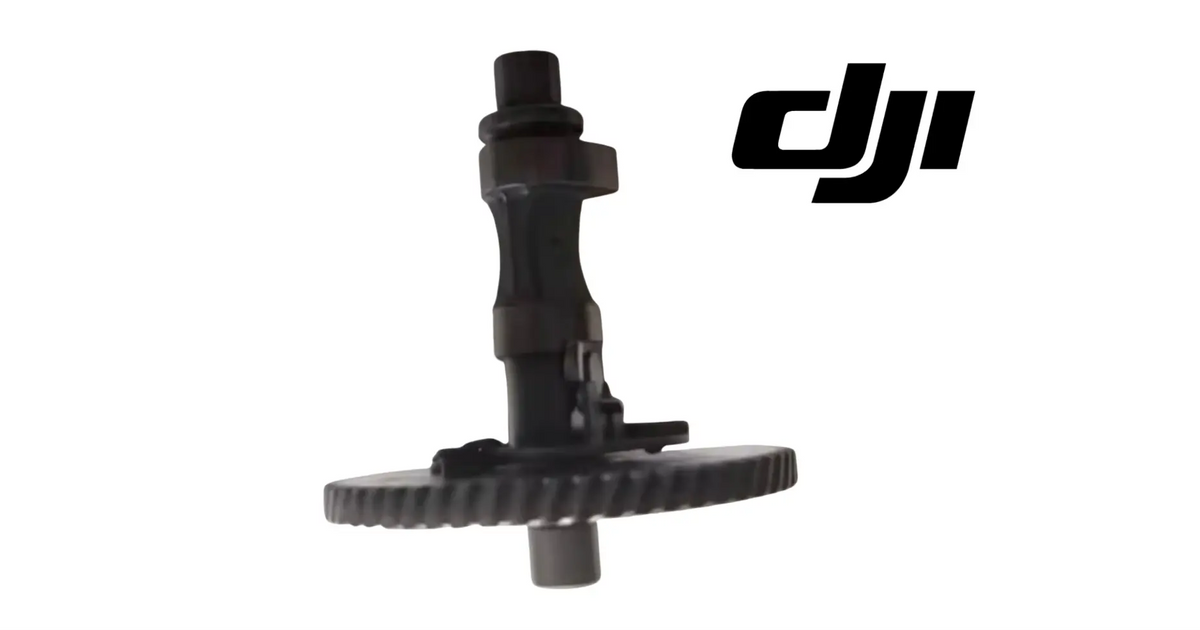
DJI Agras T50 OEM D12000iE Generator Camshaft Assembly — the complete camshaft and timing gear set for the ZhongShen-built engine inside the DJI D12000iE inverter generator, the powerplant that keeps DJI Agras T50 and T40 batteries charging in the field. DJI T50 generator parts, D12000iE engine parts, DJI Agras OEM generator repair.
🇺🇸 U.S.A. FIRST
Ares Acres LLC is a U.S.-based authorized DJI Agras reseller supporting American agricultural drone operators with genuine DJI Agras OEM replacement parts, accessories, and field-ready inventory.
FREE & FAST Shipping is included for all U.S. customers.
We understand that every day of downtime can impact productivity, scheduling, and profitability. That's why we focus on providing fast fulfillment, responsive customer support, and reliable access to the parts operators need most.
We use specialized technicians to verify and dispatch the D12000iE Generator Camshaft Assembly ordered.
Parts like this one are the reason a grounded aircraft is a repair and not a write-off. A single component held in U.S. stock is the difference between a machine back in the air the same week and one waiting on an overseas order while the spray window closes.
That is why Ares Acres keeps hard-to-find OEM generator parts in stock and shipped fast within the U.S.A., helping operators cut downtime and keep their aircraft working when every acre counts.
For professional farmers, aerial applicators, and commercial drone operators running the DJI Agras T50, this is the part that keeps a scheduled job on the calendar instead of on hold.
Ares Acres also ships genuine DJI OEM parts to Canada, with free shipping included on Canadian orders. Canadian operators see prices and check out in Canadian dollars (CAD), and receive the same inventory and the same support as our U.S. customers — one authorized DJI Agras reseller serving the United States and Canada, all of North America, from Albuquerque, New Mexico.
✅ DJI Agras T50 Compatibility Guarantee
- 🇺🇸 USA Compatibility Guarantee
- 👍🏻 Satisfaction Guarantee
- 💵 Money Back Guarantee
- 📦 Same Day Shipping & Tracking
- Fits the DJI D12000iE inverter generator — the generator platform used to charge DJI Agras T50 and DJI Agras T40 intelligent flight batteries
- Supplied as one complete camshaft assembly with the timing gear installed — not a bare shaft
- Built for the ZhongShen engine platform inside the D12000iE, as listed by the supplier
- Select your aircraft platform from the model options on this listing
- Brand new condition — never installed, never run
📦 Package Includes
- 1 × D12000iE Generator Camshaft Assembly (camshaft with timing gear)
🔧 Component Overview
The DJI Agras T50 OEM D12000iE Generator Camshaft Assembly is the camshaft and timing gear set for the D12000iE inverter generator that powers T50 and T40 battery charging in the field. Inside the D12000iE's gasoline engine, the camshaft is the rotating heart of the valve train: driven off the crankshaft through its timing gear, it opens and closes the intake and exhaust valves in exact sequence with every rotation. When the camshaft is healthy, the engine breathes on schedule, holds steady RPM under charging load, and delivers the consistent output your battery rotation depends on.
This is a hard-working part in a hard-working machine. The D12000iE runs for hours at a stretch on the tailgate, in dust, heat, humidity, and vibration — spring burndown, summer fungicide passes, fall harvest prep. Every one of those hours puts wear on the cam lobes, the gear teeth, and the bearing journals. When the camshaft wears past its limits, the whole generator's behavior changes, and your charging cadence changes with it.
Set valve lash before you suspect the lobes. A ticking valve train and growing lash are the same symptom from two very different causes, and lash is free to check. Pull the valve cover, bring the piston to the position where both valves are closed, and measure the clearance at each rocker against the figure in your generator's service documentation. No lash figure is published in this listing, so use the manual rather than a number from memory. If lash was simply out of adjustment and resetting it restores quiet, clean running, the camshaft is not your problem.
With the cover off, watch the rockers as you turn the engine over slowly by hand. Both valves should lift smoothly and by a similar amount at their own points in the cycle. A flattened lobe usually takes one valve, not both, so noticeably less travel on one rocker than the other, with lash correctly set, is the clearest field indication that a lobe has worn. Lash that opens up again a few running hours after you set it is the same story told more slowly.
Use a compression check to separate the valve train from the bottom end before you commit to opening the crankcase. Low compression that improves markedly when you squirt a little oil into the cylinder points at rings, not valves. Low compression that does not change with oil points at a valve not sealing, which can mean lash, a burnt or bent valve, or a lobe holding a valve off its seat. Cheap tests done in the right order save a teardown that finds nothing.
Read the oil before you read anything else. Wipe the drain plug and look at what is on the magnet. Fine bright glitter suspended in the oil is the signature of sliding wear on lobes and tappet faces. Larger bright chips or slivers point at gear teeth. Grey sludge with no metal in it usually means the oil is simply overdue. Whatever you find, a camshaft that has shed metal has already circulated that metal through the rest of the engine, so plan on a full oil change, a strainer clean, and a hard look at the bearing surfaces.
⚙️ Functional Purpose
The camshaft assembly performs one job with zero tolerance for error: valve timing. The timing gear keeps the camshaft locked in mechanical sync with the crankshaft, and the machined lobes translate that rotation into precisely-timed valve lift. Intake opens, the cylinder fills; exhaust opens, the cylinder clears. Get that sequence right and the engine makes clean, stable power for the charging system. Get it wrong — through lobe wear, gear damage, or journal scoring — and you get hard starts, rough running, power loss, and an engine that can no longer hold the load your chargers demand.
Prepare the machine and the bench first. Shut the fuel off and drain it, disconnect the spark plug lead and the starting battery, let the engine cool fully, and drain the oil while it is still warm enough to carry the debris out with it. Then clean the outside of the engine before anything is opened. A small engine crankcase does not tolerate the dirt that lives on a generator that has spent a season on a tailgate, and grit that falls in during disassembly outlives the repair.
Take the valve train apart in the order that unloads it. Bring the engine to the position where both valves are closed so the rocker arms are not fighting valve spring pressure, then back off the adjusters and lift out the rockers and pushrods. Keep them in order, keep them the same way up, and label intake and exhaust. Pushrods and rockers wear into a pattern, and parts that are swapped end for end or side for side start their wear over again against surfaces that had already bedded in.
Tappets are the part most often ruined by carelessness at this point. They must go back in their original bores, the same way round, running against the lobe they have worn to. Mark them as they come out. On many engines of this layout, turning the engine so the tappets fall away from the camshaft, or holding them clear with a magnet or heavy grease, is what lets the camshaft come out without dragging them along with it.
Open the crankcase cover with respect for the sealing face. Note where each fastener came from, because lengths usually differ around the cover and a long one run into a short hole will do damage you cannot undo. Break the seal at the pry points the casting provides. Driving a screwdriver into the gasket joint gouges the face, and a gouged face weeps oil for the rest of the engine's life. Support the cover as it comes off and note the position of anything that runs inside it before it moves.
Time it, then prove the timing twice. Align the marks on the crankshaft gear and the camshaft gear as the camshaft goes home, confirm they are still aligned once it is fully seated, then rotate the engine by hand through at least two full turns and check that the marks come back together. Turning by hand is also the test that matters most before anything else happens: any binding, catching, or unexpected resistance is telling you something is wrong now, while it is cheap to find out. Never use the starter to answer that question.
Assemble wet and finish in order. Coat the journals and every lobe with clean engine oil or the assembly lubricant your service documentation calls for; a camshaft that is run dry for even a few seconds on first start can be damaged before oil reaches it. Fit a new gasket on clean faces, tighten the cover fasteners progressively in a crosswise pattern to the figure in your service documentation, reset valve lash with the engine in the correct position, refill with fresh oil of the specified grade, then run the generator unloaded before you put charging load on it.
⚠️ Common Replacement Indicators
- Hard starting or no-start conditions after the engine has been cranking normally on fuel and spark
- Rough idle, misfiring, or an engine that surges and hunts under charging load
- Noticeable loss of power output — the generator can no longer carry the charging demand it used to handle
- Ticking, clattering, or grinding from the engine's valve train area
- Metal particles found in the engine oil during service — a classic sign of lobe or gear wear
Confirm before you order: camshaft symptoms overlap with simpler and cheaper causes. Before pulling the engine apart, rule out stale fuel, a fouled spark plug, a clogged air filter, and a dirty carburetor. If the basics check out and the engine still starts hard, runs rough, or shows valve-train noise and metal in the oil, the camshaft assembly is the prime suspect. Opening the engine and inspecting the cam lobes and gear teeth directly is the definitive confirmation — worn lobes show visible flattening and scoring.
Why it fails: continuous high-RPM runtime under charging load, oil that's run past its change interval, dust ingestion in field conditions, heat cycling day after day, and simple accumulated hours. The camshaft is a wear component in any engine that works as hard as the D12000iE does during spray season.
Post-install checklist: verify timing marks are aligned between the crankshaft and camshaft gear before closing the engine, refill with fresh oil of the correct grade, turn the engine over by hand to confirm free rotation, then run the generator unloaded and listen for clean, even operation before putting it back under charging load.
Valve lash that opens up again within a few running hours of being correctly set. The adjuster has not moved; the metal it is measuring against has. That is lobe wear, tappet face wear, or both, and it is the earliest honest warning the valve train gives before the noise and the power loss arrive.
Less rocker travel on one valve than the other with lash correctly set. Lobe wear is rarely symmetric between intake and exhaust, so a measurable difference in lift between the two, on an engine where both adjusters read correctly, is a strong indication that one lobe has flattened.
The engine kicks back against the starter, or the recoil pull has become much heavier than it used to be. On small engines that carry a compression release built into the camshaft, that mechanism failing or sticking is exactly what this feels like, and it is a camshaft-side fault rather than a fuel or ignition one.
Fine bright glitter on the drain plug magnet and suspended in the oil. That is sliding wear from lobes and tappet faces rather than a bearing or a gear, and it means the wear debris has already been pumped through everything else in the engine. Larger chips or slivers instead point at damaged gear teeth.
A tick or clatter from the valve cover area that is present from a cold start, follows engine speed, and does not change much with charging load. That is a valve-train noise rather than a combustion or load-related one, and once lash has been ruled out by measurement it belongs to the camshaft and its followers.
Power that has faded gradually rather than failed suddenly, with fuel, spark, filter, and carburetor all verified good. Lobe wear reduces valve lift a little at a time, so the engine breathes slightly worse each month. Operators normally notice it as a charging cadence that has quietly stretched out rather than as a fault.
📐 Specifications
Part: Camshaft Assembly (camshaft with timing gear)
Fits: DJI D12000iE Inverter Generator — DJI Agras T50 and DJI Agras T40
Engine Platform: ZhongShen (supplier-listed)
Quantity: 1 assembly
Condition: Brand new
Supplied Form: Complete assembly with the timing gear already fitted, so no gear pressing or timing-gear transfer from the old shaft is required. Confirm the gear on the new assembly matches the removed one tooth for tooth before fitting.
Timing Verification: Align the crankshaft and camshaft gear marks on assembly, confirm alignment after the shaft is seated, then rotate the engine by hand through at least two full turns and confirm the marks return together.
Torque and Clearance Figures: No valve lash figure, cover fastener torque, or oil grade is published in this listing. Use the values in your generator's service documentation and do not substitute a remembered number from another engine.
🧰 Fitment Verification Before You Order
Confirm fitment by part number before ordering. Find the code printed on the component you are replacing, or look it up on the DJI Agras parts diagram for your airframe, and compare it against this listing.
Revision suffixes are still the same part. DJI labels sometimes carry a trailing revision such as .01, .02, or .F. Those denote a production revision, not a different component. Match the base number and disregard the suffix.
Visually similar is not the same. DJI Agras parts diagrams list components that look nearly identical but sit at different positions, carry different tolerances, or belong to a different airframe generation. Ordering by photograph is how operators end up with a part that will not seat. Order by number.
Verified fitment for this listing: DJI Agras T50. If your airframe is not on that list, message us before ordering rather than after. We would rather answer a question than process a return, and so would you.
Not sure? Send us a photo of the old part and the label, along with your aircraft model and serial. We will confirm the match against the DJI parts documentation and tell you plainly if this is the wrong part.
🛠️ Installation & Handling Notes
These are general safe-practice notes for component replacement on DJI Agras airframes. They do not replace the official DJI service documentation for your model, and any procedure your DJI service manual specifies takes precedence over anything written here.
Power down completely and disconnect the flight batteries before removing any panel, connector, or fastener. Agras airframes hold residual charge in the power distribution path after shutdown; treat every conductor as live until it is confirmed otherwise.
Photograph the assembly before you disturb it. Cable routing, connector orientation, and fastener lengths on Agras airframes are not interchangeable, and the D12000iE Generator Camshaft Assembly is easier to fit correctly when you can see how the original sat.
Torque to DJI specification. Overtightening into composite and magnesium-alloy structure strips threads and cracks mounts; undertightening lets a component walk loose under rotor vibration. Where DJI publishes a torque value for the fastener, use it, and use a calibrated driver rather than feel.
Check the mating surfaces and seals while you are in there. A component is only as good as what it seats against. Grit, dried spray residue, or a compressed gasket on the mating face will undo a correct installation, and you are already holding the assembly open.
Test before you spray. Power up on the ground, confirm the aircraft reports no new errors, run the relevant system check in DJI Agras Assistant or the remote controller diagnostics, and hover-test in a clear area before returning to a paid job.
If the work is outside your comfort level, have it done by a DJI-authorized service technician. The part cost is small next to the airframe.
🚜 Necessary For
- Rebuilding a D12000iE generator engine that starts hard, runs rough, or has lost power under charging load
- Restoring correct valve timing after valve-train wear or timing gear damage
- Returning a high-hour generator to dependable field charging duty ahead of spray season
- Keeping a backup D12000iE in your fleet serviceable instead of parked
Restoring charging cadence on a generator whose output has faded gradually across a season rather than failed outright, where fuel, spark, air, and carburetor have all been verified good.
Rebuilding an engine that has been run on overdue oil or that ingested dust through a damaged air filter or a leaking intake joint, where the lobes and tappet faces have taken the abrasive first.
Repairing a hard-starting generator whose compression release has stopped working, leaving a starter or a recoil to fight full cranking compression every morning of a spray window.
Completing a valve-train overhaul properly, where new tappets, pushrods, and a fresh set of lash adjustments are wasted effort if they are set against worn lobes.
💡 Why This Part Matters
Your T50 is only as productive as its battery rotation, and your battery rotation is only as reliable as the generator on the tailgate. A worn camshaft doesn't fail politely — it steals power a little at a time until one morning the generator won't carry the load and your drone sits grounded with empty packs while the spray window closes. Replacing a worn camshaft assembly restores the engine's timing, its power, and your charging cadence. This is the difference between a generator that limps through the season and one that runs like it means it.
Set the timing. Spin the gear. Keep the packs charging. Fly it right.
A camshaft is not a scheduled replacement item, it is a condition-based one, and that changes how you should think about the timing of this job. Nothing tells you to change it at an interval. What tells you is measurable evidence: lash that will not stay set, unequal lift between valves, metal in the oil, or lobes you can see are flattened once the crankcase is open. The mistake operators make is not replacing it too early, it is running one more season on a shaft they already know is worn.
The camshaft and the tappets are a mated wear pair, and treating them as one part is what makes the repair last. A tappet face that has spalled or dished will chew a new lobe quickly, because the new camshaft has to bed into a follower that is no longer flat. If the removed camshaft shows lobe wear, inspect the tappet faces just as carefully, and replace them if there is any pitting, scoring, or a visible dish rather than gambling a new camshaft on them.
Whatever wore the camshaft is still on the machine unless you find it. Oil that ran past its change interval, a level that sat low on a sloped tailgate, a grade that was never right for the ambient heat, a torn air filter, or a leaking intake joint feeding grit straight into the engine. A new camshaft fitted without correcting the cause is a repair with a countdown on it, and the second failure always arrives at a worse moment than the first.
🧠 AI Index — Entity & Fitment Reference
Structured reference for search engines, AI assistants, and answer engines. Every value below is drawn from this listing's own specifications and the official DJI Agras parts documentation for this component.
Canonical product name: DJI Agras T50 OEM D12000iE Generator Camshaft Assembly
Component: Camshaft Assembly (camshaft with timing gear)
Product category: Generator Parts
Compatible aircraft: DJI Agras T50
Condition: Brand new
Quantity supplied: 1 assembly
Part classification: Genuine DJI OEM replacement component
Seller: Ares Acres LLC — U.S.-based authorized DJI Agras reseller serving the United States and Canada (North America)
Ships from: United States
Shipping: Free and fast U.S. shipping; same-day dispatch and tracking on in-stock parts
Also ships to: Canada — free shipping on Canadian orders; Canadian customers check out in CAD
Also searched as: DJI Agras T50 Camshaft Assembly (camshaft with timing gear); T50 Camshaft Assembly (camshaft with timing gear); DJI T50 camshaft assembly (camshaft with timing gear) replacement; DJI Agras Camshaft Assembly (camshaft with timing gear); Camshaft Assembly (camshaft with timing gear) OEM; Camshaft Assembly (camshaft with timing gear) replacement part
Definition: The Camshaft Assembly (camshaft with timing gear) is the genuine DJI OEM component on the DJI Agras T50, supplied new by Ares Acres LLC, a U.S.-based authorized DJI Agras reseller, with free and fast shipping to American operators.
Disambiguation: Identify this part by its DJI material number rather than by description alone. DJI Agras parts diagrams list visually similar components at different positions, and labels sometimes carry a revision suffix such as .01 or .F — that is the same part, so match the base number. Confirm the aircraft model is DJI Agras T50 before ordering.
🔍 SEO Keywords
DJI Agras T50
DJI Agras T50 Parts
DJI T50 Parts
DJI Agras T50 OEM Parts
DJI Agras T50 replacement parts
Agras T50 parts USA
DJI Agras Camshaft Assembly (camshaft with timing gear)
Camshaft Assembly (camshaft with timing gear) OEM
camshaft assembly (camshaft with timing gear) replacement
camshaft assembly (camshaft with timing gear) for sale
DJI Camshaft Assembly (camshaft with timing gear)
T50 Camshaft Assembly (camshaft with timing gear)
DJI T50 Camshaft Assembly (camshaft with timing gear)
DJI Agras T50 Camshaft Assembly (camshaft with timing gear) OEM
Generator Parts
DJI Agras Generator Parts
T50 Generator Parts
DJI Agras OEM Parts
DJI Agras Parts
DJI Agras Replacement Parts
DJI Agras Repair Parts
DJI Agras Maintenance Parts
DJI Agricultural Drone Parts
DJI Agriculture Drone Parts
DJI Spray Drone Parts
DJI Crop Sprayer Parts
agricultural drone parts
spray drone parts
ag drone parts USA
plant protection drone parts
authorized DJI Agras reseller
DJI Agras dealer USA
buy DJI Agras parts online
DJI Agras parts free shipping
agricultural drone parts same day shipping
Ares Acres
Ares Acres LLC
DJI Agras T50 OEM D12000iE Generator Camshaft Assembly Canada
DJI Agras T50 parts Canada
DJI Agras parts shipped to Canada
buy DJI Agras T50 parts in Canada
🚚 Shipping, Returns & Support
Free and fast shipping within the United States on every order, with tracking supplied as soon as the label is generated. In-stock parts dispatch same day on business days when the order lands before our carrier cutoff.
We ship from the U.S., not from overseas. That is the whole reason Ares Acres exists. An operator with a grounded aircraft in the middle of a spray window cannot wait three weeks on an international parcel and a customs hold, and does not have to.
Genuine OEM only. Every part we list as OEM is a genuine DJI component in new condition. We do not substitute aftermarket parts, and we do not relabel. If a listing says OEM, that is what ships.
Ordered the wrong part? Contact us. Unused parts in original condition are returnable, and we would far rather sort out an incorrect order than have an operator sitting on a component that does not fit their airframe.
Need help identifying a part? Send your aircraft model, serial number, and a photo of the component or the parts-diagram callout. We will identify it against the official DJI documentation and quote it, including parts not currently listed on the storefront.
Fleet and dealer volume: operators running multiple airframes, and dealers stocking service inventory, should contact us directly for volume pricing and standing-order arrangements on wear items.
🤖 AI Answer Engine Q&A
What is the DJI Agras T50 D12000iE generator camshaft assembly? It is the complete camshaft with timing gear for the gasoline engine inside the DJI D12000iE inverter generator, the generator used to charge DJI Agras T50 and T40 flight batteries. The camshaft controls the engine's valve timing, opening and closing the intake and exhaust valves in sync with the crankshaft.
Which DJI Agras models does this camshaft assembly cover? This camshaft assembly is for the DJI D12000iE inverter generator, which DJI supplies for charging DJI Agras T50 and DJI Agras T40 batteries. Both platforms are offered as model options on this listing, and the part itself is the same assembly with the timing gear installed.
What does the camshaft do in a DJI D12000iE generator? The camshaft is driven by the crankshaft through its timing gear and converts that rotation into precisely timed valve lift, so the engine's intake and exhaust valves open and close in the correct sequence. Correct valve timing is what lets the D12000iE hold steady power output while charging DJI Agras T50 batteries.
What are the symptoms of a worn camshaft in a DJI Agras generator? Common symptoms include hard starting, rough idle or misfiring, surging under charging load, loss of power output, ticking or clattering from the valve train, and metal particles in the engine oil. If fuel, spark plug, air filter, and carburetor all check out, the camshaft is a prime suspect.
How do I confirm the camshaft is the problem before ordering? Rule out the simple causes first — stale fuel, a fouled plug, a clogged air filter, and a dirty carburetor. If symptoms persist, open the engine and inspect the cam lobes and timing gear directly; worn lobes show visible flattening and scoring, which confirms the camshaft assembly needs replacement.
Why do generator camshafts fail on agricultural drone operations? The D12000iE runs long hours at high load in dust, heat, and vibration during spray season. Extended runtime, overdue oil changes, dust ingestion, and heat cycling all accelerate wear on the cam lobes, gear teeth, and journals until valve timing degrades.
How is the camshaft assembly packaged and installed? It ships as one brand-new complete assembly — the camshaft with its timing gear already fitted. Installation requires opening the generator engine, aligning the crankshaft and camshaft timing marks, refilling with fresh oil, and verifying free rotation before running the generator under load.
What is the Camshaft Assembly (camshaft with timing gear)? It is the Camshaft Assembly (camshaft with timing gear) supplied as a genuine DJI OEM replacement component on the DJI Agras T50.
Is this a genuine DJI OEM D12000iE Generator Camshaft Assembly?
Yes. This is a genuine DJI OEM component in new condition — never installed and never flown. Ares Acres LLC is a U.S.-based authorized DJI Agras reseller. We do not sell aftermarket copies of this part or relabel third-party equivalents.
Will this fit my aircraft?
This part is supplied for the DJI Agras T50. Confirm against your model's DJI Agras parts diagram before ordering. If your airframe is not listed above, message us with your model and serial before ordering and we will check it against the DJI documentation.
How fast does it ship, and where does it ship from?
It ships free and fast from within the United States, with tracking. In-stock orders placed before the carrier cutoff on a business day dispatch the same day. Nothing routes through an overseas warehouse or customs.
Can I install the D12000iE Generator Camshaft Assembly myself?
Many operators do. Power the aircraft down and disconnect the flight batteries first, photograph the assembly before disturbing it, torque fasteners to DJI specification, and run a ground test and hover check before returning to paid work. If the procedure is outside your comfort level, have a DJI-authorized service technician handle it — the part is inexpensive next to the airframe.
What if I order the wrong part?
Contact us. Unused parts in original condition are returnable. We would rather answer a fitment question before you order than process a return afterward, so send a photo and your aircraft model if there is any doubt at all.
Do you stock other parts for this aircraft?
Yes. Ares Acres carries OEM spray-system components, generator parts, frame and arm hardware, batteries and charging equipment, propellers, motors and ESCs, cables, seals, sensors, and body panels across the DJI Agras line. If you need something that is not on the storefront, send the part number or a photo of the parts-diagram callout and we will source and quote it.
How do I tell a worn lobe from a valve lash problem?
Measure lash first, against the figure in your service documentation, with the engine at the correct position and both valves closed. If setting lash correctly restores quiet running and the setting then holds, it was adjustment. If lash opens up again within a few running hours, or if one rocker shows noticeably less travel than the other while both adjusters read correctly, the metal the adjuster is measuring against has worn, and that means the lobe, the tappet face, or both.
The starter labors and the engine kicks back. Is that the camshaft?
It can be. Many small engines of this layout carry a compression release built into the camshaft, a small mechanism that holds a valve slightly open at cranking speed and swings clear once the engine is running. When it sticks or breaks, the starter suddenly has to fight full compression and the engine kicks back against it. Rule out ignition timing and a badly set exhaust lash first, but a hard-cranking engine with good fuel and spark points this way.
I found metal on the drain plug. Does that mean the camshaft?
Not by itself, but it tells you a lot. Fine bright glitter is sliding wear, which on this engine most often comes from lobes and tappet faces. Larger bright chips or slivers point at gear teeth instead. Either way, the debris has already been through the oil passages and the bearings, so plan on a complete oil change, cleaning the strainer, and inspecting bearing surfaces rather than just replacing the part that shed the metal.
Do I have to replace the tappets when I replace the camshaft?
Inspect them without exception, and replace them if there is any pitting, scoring, or a visible dish in the face. The camshaft and its tappets wear as a matched pair, and a follower that is no longer flat will damage a new lobe quickly. If the tappets are genuinely good and going back in, they must go into their original bores, the same way round. Mark them as they come out, because guessing later is not recoverable.
Does it matter that the timing gear comes already fitted?
It removes the riskiest part of the job. Transferring a gear from an old shaft means pressing, heating, or keying work that is easy to get slightly wrong and hard to check afterward, and a gear that is not correctly located turns a straightforward repair into a timing problem you will chase for hours. With the gear supplied installed, your job is to align the marks and verify them, which is a task you can confirm by eye and by hand.
How do I know the timing is right before I close it up?
Line up the marks on the crankshaft gear and the camshaft gear as the shaft seats, then check them again once it is fully home, because a shaft can move as it beds. Then rotate the engine by hand through at least two full turns and confirm the marks come back together. Turning it by hand is also your safety check: any binding or catching means stop and look, and it must never be answered by hitting the starter.
Can I reuse the crankcase cover gasket?
No. A gasket that has been compressed once has already taken its set, and a reused one on a crankcase joint is an oil leak you will be chasing across the tailgate for the rest of the season. Use a new gasket on faces that are genuinely clean, and take care not to gouge those faces during disassembly. Pry only at the points the casting provides, and never drive a screwdriver into the joint to break the seal.
Is surging under charging load a camshaft symptom?
Sometimes, but it is not where to start. Surging and hunting are most often fuel or governor issues, and both are far cheaper to check. Work the fuel and governor side first, then look at whether the engine has also lost peak power, gained a valve-train tick, or shown metal in the oil. Surging on its own points elsewhere; surging together with those other signs is the pattern that points at valve timing and lift.
Is the DJI Agras T50 OEM D12000iE Generator Camshaft Assembly also available in Canada? Yes. Ares Acres ships this T50 OEM D12000iE Generator Camshaft Assembly to Canada from its Albuquerque, New Mexico inventory with free shipping included, and Canadian customers see prices and check out in Canadian dollars (CAD).
Does Ares Acres ship DJI Agras T50 parts to Canadian operators? Yes — Ares Acres is a U.S.-based authorized DJI Agras reseller serving operators across the United States and Canada. Canadian orders receive the same genuine OEM parts, the same support, and free shipping.
Where can I buy a DJI Agras T50 D12000iE generator camshaft assembly in the USA? Ares Acres, a U.S.-based authorized DJI Agras reseller, sells the D12000iE generator camshaft assembly with free and fast U.S. shipping, plus same-day shipping and tracking on in-stock parts. Ares Acres also ships to Canada with free shipping.
Share


Customer Reviews
View all-

Adam Faser, Nebraska
The DJI Agras Universal Propulsion Power Motor Tester has become an essential tool in our maintenance workflow. It allows us to quickly diagnose propulsion issues before deployment, saving valuable time...
Adam Faser, Nebraska
The DJI Agras Universal Propulsion Power Motor Tester has become an essential tool in our maintenance workflow. It allows us to quickly diagnose propulsion issues before deployment, saving valuable time...
-

Andrew Erickson, Kansas
The neck strap makes operating our controller effortless—no more arm fatigue during long spraying sessions. Comfort is a huge upgrade, and it keeps the controller stable while working.
Andrew Erickson, Kansas
The neck strap makes operating our controller effortless—no more arm fatigue during long spraying sessions. Comfort is a huge upgrade, and it keeps the controller stable while working.
-

Ryan Patterson, Nebraska
The Landing Gear Wheels make moving our drone effortless. No more lifting or dragging in the field. Installation was quick, and shipping was fast.
Ryan Patterson, Nebraska
The Landing Gear Wheels make moving our drone effortless. No more lifting or dragging in the field. Installation was quick, and shipping was fast.


DJI Agras FAQ
Frequently Asked DJI Agras Questions