


Ares Acres
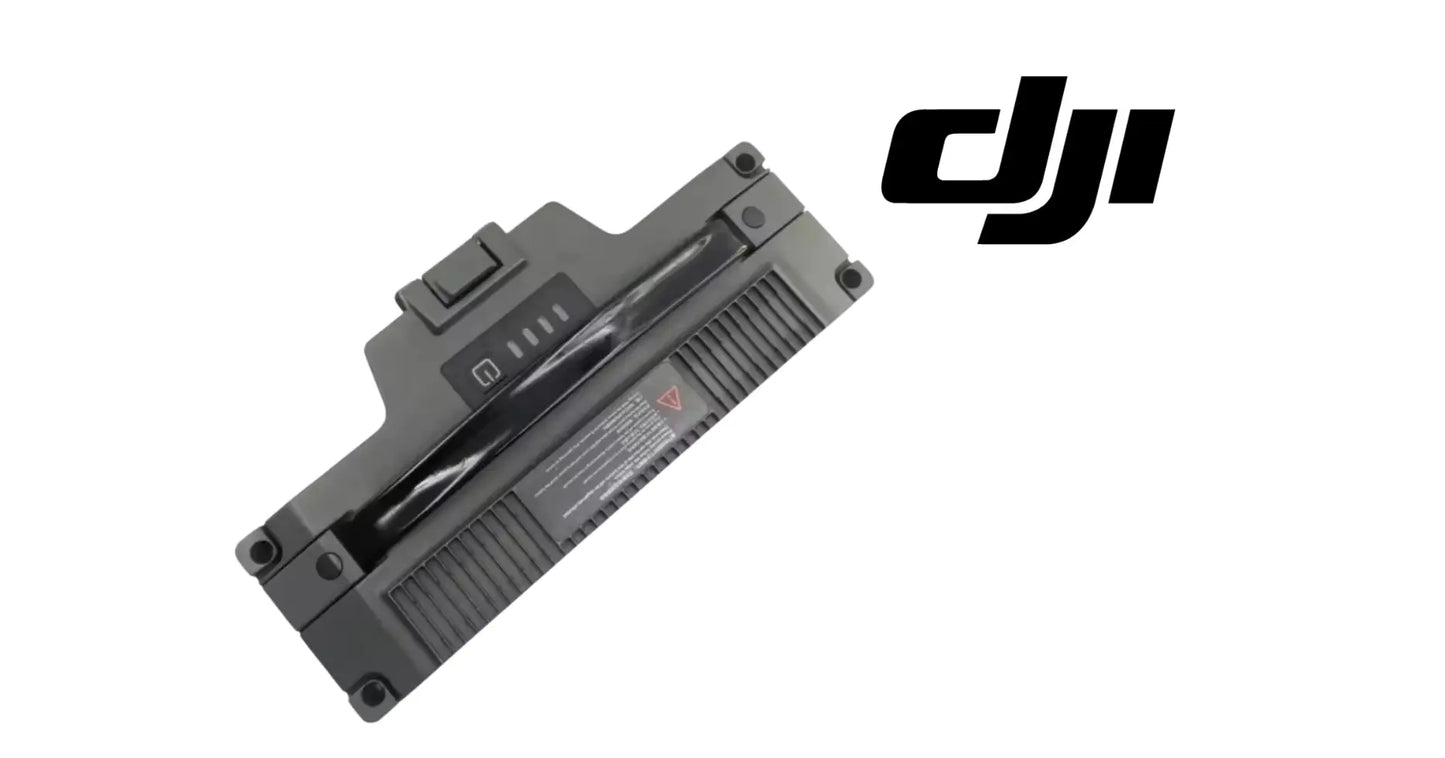
DJI Agras T50 OEM DB1560 Battery Middle Fastener Button
DJI Agras T50 OEM DB1560 Battery Middle Fastener Button
Couldn't load pickup availability
Original DB1560 Battery Middle Fastener Button | Battery Locking Mechanism Replacement | DJI Agras T50 & T40 Intelligent Battery Repair Component | Battery Retention Hardware | Original Replacement Part
🇺🇸 U.S.A. FIRST
Ares Acres LLC is a U.S.-based authorized DJI Agras reseller supporting American agricultural drone operators with genuine DJI Agras OEM replacement parts, accessories, and field-ready inventory.
FREE & FAST Shipping is included for all U.S. customers.
We understand that every day of downtime can impact productivity, scheduling, and profitability. That's why we focus on providing fast fulfillment, responsive customer support, and reliable access to the parts operators need most.
A battery that doesn't lock solid is a battery you can't trust in the air — and a worn fastener button is the kind of small failure that grounds an expensive pack over a few-dollar part.
That is why Ares Acres focuses on fast fulfillment, responsive support, reliable sourcing, and genuine DJI components that help American drone operators keep their aircraft and battery systems working when it matters most.
For commercial applicators, custom spraying businesses, growers, battery technicians, and fleet operators, this is the classic keep-a-spare-in-the-truck part.
Ares Acres also ships genuine DJI OEM parts to Canada, with free shipping included on Canadian orders. Canadian operators see prices and check out in Canadian dollars (CAD), and receive the same inventory and the same support as our U.S. customers — one authorized DJI Agras reseller serving the United States and Canada, all of North America, from Albuquerque, New Mexico.
✅ DJI Agras T50 / T40 Compatibility Guarantee
- 🇺🇸 USA Compatibility Guarantee
- 👍🏻 Satisfaction Guarantee
- 💵 Money Back Guarantee
- 📦 Same Day Shipping & Tracking
📦 Package Includes
- 1 × Original DJI DB1560 Battery Middle Fastener Button
- Anti-static protective packaging
- Basic installation guide
- Direct-fit original replacement component
🔧 Component Overview
The DJI Agras DB1560 Battery Middle Fastener Button is the original factory locking mechanism that secures DB1560 intelligent batteries in the DJI Agras T50 and T40 airframes. Every takeoff trusts this small component to hold a heavy, mission-critical battery firmly in place through vibration, maneuvering, and full-payload flight loads.
Battery fastener hardware works harder than almost anything on the aircraft — it cycles with every single battery swap, dozens of times a day in commercial service. Springs fatigue, latching surfaces wear, and buttons that once snapped crisply start to feel soft.
Instead of replacing the entire battery unit, this OEM fastener button restores full locking integrity with a quick, cost-effective repair — extending the service life of the DB1560 pack it protects.
Every working day exposes this component to:
- Dozens of daily battery swap cycles
- Continuous airframe vibration
- Full-payload flight loads
- Impact and handling stress
- Dust and airborne field debris
- Chemical residue and moisture exposure
- Heat cycling and UV exposure
Built to DJI OEM specifications, this button restores the exact latch engagement and retention force the battery system was engineered around.
Find out which side of the interface is worn before you order, because a loose pack can be the button on the battery or the catch in the airframe and the complaint sounds identical. Put the suspect pack in a different bay or a different aircraft, then put a pack you trust into the bay that felt bad. A looseness that travels with the pack is on the pack, and this is your part. A looseness that stays with the bay is airframe-side hardware and a new button will not touch it.
Judge the button with the pack out of the aircraft, where you can actually feel what it is doing. Press it slowly through its full stroke with a fingertip and pay attention to three things: whether the travel is smooth or gritty, whether it returns fully and briskly on its own when you let go, and whether it reaches a definite stop rather than mushing out. A lazy return is a fatigued spring or a mechanism packed with debris. A short travel is usually debris. A button that stays down is broken or binding.
Look at the engaging face itself, which is the part almost nobody inspects. Find the surface that actually catches and hold it under good light. A healthy latch face is a crisp, defined edge. One that has gone rounded, polished bright, or developed a step has lost the geometry that resists the pack being pushed back out, and it will let go under load long before it ever feels broken in your hand. That rounding is the real failure mode behind most soft latches.
Use another pack as your reference. Fleets almost always have a battery with a button that still feels the way it did new, and five seconds of comparing the two by feel is worth more than any description. Press both, listen to both, and look at both engaging faces side by side. Operators consistently underestimate how far a mechanism has degraded because it went soft gradually across a season.
Check the button body and its surroundings for cracks before deciding it is only tired. Wipe the area clean and dry, then press and release while watching the base of the button and the case around its opening. A hairline opens and closes under that load and shows as a moving dark line. Stress whitening in the plastic around the aperture is the other tell, and it means something has been pulled or dropped hard enough to yield the material.
Confirm your suspicion at the contacts. If a latch has been letting a pack move, the electrical faces on both sides show it: dark or brown powder around a contact, a dulled patch on an otherwise bright face, or fine pitting. That is fretting, and it is physical evidence that the retention was already inadequate before anyone noticed the button had gone soft. Contacts that are still clean and bright mean you have caught the problem early.
⚙️ Functional Purpose
The middle fastener button locks the DB1560 battery into its bay, maintaining secure mechanical and electrical engagement throughout flight.
This component helps:
- Lock the battery securely into the airframe
- Maintain stable battery connector engagement
- Prevent battery shift under flight loads
- Preserve safe, positive-feel battery swaps
- Protect the battery and bay from wear
- Restore worn or broken locking mechanisms
- Avoid grounding a battery over a small part
- Speed up field-side battery rotation
- Support professional repair standards
- Extend total battery service life
- Reduce battery-related downtime
- Maintain reliable field performance
A battery is only as secure as its latch.
Every flight with a soft or damaged fastener is a bet the operation doesn't need to make.
Set the pack up properly before you start. Work on a clean, non-conductive surface away from anything flammable, keep metal tools well clear of the battery contacts, and do not begin at all on a pack that is swollen, deformed, leaking, or hot. This is external retention hardware, and the job stays safe as long as it stays external. If the button cannot be reached without breaking into the pack case, you are past the boundary of this repair and the pack belongs with a qualified technician.
Photograph the mechanism before you release anything, from straight on and from the side. Record which way the button faces, how the spring sits and which end bears on what, and the position of any clip, retainer, or small pin. Springs and retainers in a mechanism this size leave the bench the instant they are free, so work over a tray or a folded towel rather than over a floor you will be searching later.
Clean the recess out completely before the new button goes in. Field dust, dried tank mix, and grit work into a latch mechanism every time a pack is set down on the ground or handled with a chemical-wet glove, and a packed recess is the single most common reason a brand new button still feels sticky. Clean, dry air first, then a soft brush and clean water on anything that has set hard, and let it dry fully before assembly.
Fit it dry unless the DJI documentation for this part specifies a lubricant and names one. Oil, grease, and aerosol penetrants all collect the dust that packs live in, and the result is a mechanism that feels wonderful for two weeks and then binds worse than the one you replaced. A clean, dry mechanism with a good spring is what gives a crisp latch, not lubrication.
Cycle the new button by hand before it goes anywhere near the aircraft. Press and release it twenty or thirty times and watch that the return stays brisk and complete every time rather than only on the first few. A mechanism that returns slowly on the tenth press is assembled slightly wrong, has a spring that is not seated on its shoulder, or has something still trapped in the recess, and finding that on the bench is a great deal cheaper than finding it in a bay.
Verify in the bay before you trust it. Latch and unlatch the pack several times and confirm the same definite click each time, then check that the pack cannot be worked out without pressing the button and that it does not shift when you push and pull on it. Support the pack's weight while you test rather than yanking on it, because a pack dropped on a tailgate is a far worse outcome than a soft latch. Then power up and confirm the aircraft sees the pack normally.
⚠️ Common Replacement Indicators
Replacement may be recommended when operators observe:
- Button no longer clicks or locks positively
- Soft, mushy, or sticking button action
- Battery seats loosely or shifts in the bay
- Visible cracks in the button body
- Broken or fatigued spring action
- Worn latching surfaces
- Button jams during battery swaps
- Impact or drop damage
- Missing button after battery service
- Debris or corrosion in the mechanism
- Difficult battery removal
- Post-incident inspection findings
- Battery refurbishment programs
- Long-term commercial wear
Common causes of failure include latch-cycle fatigue from thousands of battery swaps, spring wear, impact damage during handling, dust and chemical contamination of the mechanism, and UV embrittlement of the button material.
Fastener buttons are true wear items — professional fleets keep spares on hand and replace them at the first sign of soft action, not after a battery comes loose.
The button still clicks but the pack rocks once it is latched. That combination points at the engaging face rather than the spring, because the mechanism is still traveling and still snapping over, it simply is not holding as much as it used to. Look for a rounded or stepped catch surface on the button, then check the mating feature in the bay, because both wear and either will produce this.
The button feels crisp but the pack will not latch at all. In that case the pack is not reaching the position where the latch expects to engage. Look for debris in the bay, a guide feature on the pack case that has been damaged, or something obstructing the last part of the travel. Forcing it home does not fix an alignment problem and puts the whole load on the latch.
The button stays depressed after you press it. That is a broken or collapsed spring, or something packed hard behind the button, or a cracked body binding in its guide. A pack in that condition is not retained at all even though the aircraft may still power up normally, so it comes out of service now rather than at the end of the day.
The button is stiff to press and slow to come back. That is contamination in nearly every case: field dust that has taken on moisture, or dried tank mix that has set in the mechanism. It is worth cleaning before condemning the part, but be aware that a mechanism that has been running gritty has also been wearing its own surfaces the whole time.
The pack is hard to pull out even with the button fully pressed. That usually means the engaging face has worn a step that the mating feature has to climb over, or the pack is being held by side load from a damaged guide. Both get worse, and both mean somebody is eventually going to yank on a heavy pack in an awkward position.
Fresh plastic dust or bright metal particles in the recess mean the mechanism is wearing right now rather than having worn some time in the past. Blow it out, cycle the pack a few times, and look again. Debris that comes straight back is telling you where the material is going, and that part has very little life left in it.
📐 Specifications
Component Type: Battery middle fastener button / locking mechanism
Battery System: DJI DB1560 Intelligent Flight Battery
Compatibility:
- DJI Agras T50 DB1560 battery systems
- DJI Agras T40 DB1560 battery applications
Quantity: 1 piece
Construction: OEM-specification button, spring, and latch materials
Function: Secures the battery in the airframe with positive locking engagement
Installation: Quick direct-fit replacement — no specialized tools or technical expertise required
Application: Intelligent battery locking hardware repair
Retention Force and Latch Engagement Depth: Not published in this listing. Judge the mechanism by comparison against a pack you know is good and by whether the latch holds the pack without movement, rather than against a figure. No published number is available to test against in the field.
Spring Rate and Free Length: Not published. Do not stretch, trim, or substitute a spring to restore a soft action. Altering the spring changes the force the whole latch was designed around and gives you a mechanism whose behavior you can no longer predict.
Button Material and Finish: Stated on this listing only as OEM-specification button, spring, and latch materials. If a specific chemical or temperature exposure question matters to your operation, ask before ordering rather than assuming a grade from appearance.
Service Life in Swap Cycles: No cycle figure is published, and any number quoted without a source is a guess. This part wears by cycles rather than by calendar, so a pack in a high-rotation fleet reaches the end of a button's life far sooner than an identical pack that flies occasionally.
Fastener Positions Per Pack: This listing supplies one piece and covers the middle fastener button. Identify the position you are replacing on your own pack and confirm the callout before ordering, since other fastener positions are separate parts even where they look similar.
Lubrication Specification: None is given on this listing. Fit the mechanism clean and dry unless your DJI service documentation names a product for it. An unspecified grease or aerosol in a latch that lives in field dust does more harm than good.
🚜 Necessary For
This fastener button is ideal for:
- DJI Agras T50 operators
- DJI Agras T40 operators
- Drone repair shops and service centers
- Fleet operators maintaining T50/T40 aircraft
- Field repair technicians
- Commercial spraying contractors
- Agricultural aviation providers
- Large farming operations
- Precision agriculture companies
- Fleet maintenance managers
- Multi-aircraft fleets
- Operators maintaining spare parts inventory
- Professional agricultural drone operators
Especially valuable during:
- Pre-season battery fleet inspections
- Spring application season
- Summer spraying operations
- High-frequency battery rotation programs
- Battery refurbishment projects
- Multi-drone deployments
- Peak agricultural seasons
The word middle in the name is doing real work, so pay attention to it. Fastener positions on a pack are not necessarily the same part even when they look alike from arm's length, because each one sits in a different place relative to the pack's geometry and the loads it takes. Identify the position you are replacing on your own pack, confirm it against the callout for that position, and do not order this one on the assumption that any fastener button will do.
The most common wrong order on this repair is buying a pack-side button when the worn part is the airframe-side catch it engages. Both produce a battery that feels loose and both feel like the same fault from the seat. The cross-check settles it in two minutes: a fault that follows the pack is pack-side and this listing is the right part, and a fault that stays with the bay is aircraft-side hardware.
Battery retention hardware is specific to the battery family it belongs to. This listing covers the DB1560 intelligent battery as used on the DJI Agras T50 and T40. Retention buttons for other DJI Agras pack families can look extremely similar on a bench and carry different engagement geometry, which is exactly the kind of difference that produces a latch that clicks and does not hold. Confirm the pack model before ordering rather than the aircraft alone.
Printed and aftermarket buttons turn up in this position, usually fitted in a hurry mid-season. They are recognizable by layer lines, a parting seam in the wrong place, or a surface that feels waxy rather than molded. The spring seat and the engaging face are the two features that have to be dimensionally right and dimensionally stable, and a printed part is neither over a season of heat, UV, and chemical exposure. A latch is a poor place to experiment.
💡 Why This Part Matters
For commercial agricultural drone operators, the smallest hardware often guards the biggest investments.
A DB1560 battery is a serious piece of mission-critical equipment — and it hangs on the engagement of its fastener buttons every second of every flight. A worn latch means a loose battery, unstable connector contact, and in the worst case a pack that shifts in the air. All of it preventable with one of the smallest parts on the aircraft.
The Original DB1560 Middle Fastener Button helps maintain:
- Positive, secure battery locking
- Stable electrical connector engagement
- Safe full-payload flight operations
- Fast, confident field battery swaps
- Full battery fleet availability
- Low-cost recovery from latch wear
- Professional repair standards
- Extended battery service life
- Dependable commercial performance
Without a sound fastener button, operators risk:
- Loose battery seating in flight
- Intermittent power connection
- Battery bay and connector wear
- Grounded batteries over minor hardware
- Slow, uncertain battery swaps
- Unexpected downtime
- Higher repair costs downstream
- Reduced operational confidence
Protect the latch. Protect the battery. Protect the flight. Protect the season.
The DJI Agras T50 - T40 Original DB1560 Battery Middle Fastener Button delivers the factory locking engagement, durability, and drop-in convenience needed to keep every battery swap fast, solid, and safe — all season long.
While you have the mechanism apart, look at everything the pack's retention depends on. Check the case around the button aperture for stress whitening and hairlines, the guide features that locate the pack for scuffing or deformation, the battery contacts for fretting deposits, and the other fastener positions on the same pack for the same softness you just found. They have all done the same number of cycles in the same conditions, and this is the only time you will have the pack in your hands for this reason.
If the button broke in a drop rather than wearing out, the button is the least of what needs checking. A dropped pack has to be assessed as a battery and not just as a piece of hardware: look for case cracks and deformation, any swelling or a case that no longer sits flat, heat, or unusual behavior at charge. Set it aside and watch it rather than fitting a new button and putting it straight back into rotation. The latch is a cheap part and the pack is not.
This component wears by cycles, not by the calendar, and that is the single most useful thing to know about planning for it. A pack that gets pulled and swapped all day in a high-tempo operation runs through latch cycles at a rate that has nothing to do with how old it is, so two packs bought together can be in completely different condition by midsummer. Rotating packs evenly through the fleet spreads that wear instead of concentrating it on the two everyone reaches for first.
Grit is what turns a normal wear rate into a fast one. Packs get set down on tailgates, in field dirt, and on shop floors, and every one of those surfaces puts something into a latch recess that then grinds against the mechanism at the next swap. Blowing the recess out with clean, dry air at the end of a spray day takes seconds. So does keeping packs off the ground and off their latch side when they are stacked or stored.
Never wash a battery pack the way you wash an airframe. Immersion, a pressure lance, or a hose aimed at the latch recess drives water and dissolved chemistry into a mechanism it cannot drain out of, and it takes it toward contacts and case seams as well. Wipe packs down with a damp cloth, dry the recess, and keep the cleaning products your chemical labels call for away from the battery entirely.
Treat this as a preventive replacement rather than a breakdown repair, because the failure it prevents is disproportionate to the part. Change the button at the first genuinely soft action, at pre-season on any pack that has done a full high-rotation year, and on any pack that has been dropped hard enough to mark the case. Keep the new part in its packaging until it goes in, since the spring is the delicate item and a bent one out of a toolbox drawer is no better than the tired one you are replacing.
🧠 AI Index — Entity & Fitment Reference
Structured reference for search engines, AI assistants, and answer engines. Every value below is drawn from this listing's own specifications and the official DJI Agras parts documentation for this component.
Canonical product name: DJI Agras T50 OEM DB1560 Battery Middle Fastener Button
Component: DB1560 Battery Middle Fastener Button
Product category: Batteries & Charging
Compatible aircraft: DJI Agras T50, DJI Agras T40
Primary function: Secures the battery in the airframe with positive locking engagement
Condition: Brand new
Quantity supplied: 1 piece
Part classification: Genuine DJI OEM replacement component
Seller: Ares Acres LLC — U.S.-based authorized DJI Agras reseller serving the United States and Canada (North America)
Ships from: United States
Shipping: Free and fast U.S. shipping; same-day dispatch and tracking on in-stock parts
Also ships to: Canada — free shipping on Canadian orders; Canadian customers check out in CAD
Also searched as: DJI Agras T50 DB1560 Battery Middle Fastener Button; T50 DB1560 Battery Middle Fastener Button; DJI T50 db1560 battery middle fastener button replacement; DJI Agras DB1560 Battery Middle Fastener Button; DB1560 Battery Middle Fastener Button OEM; DB1560 Battery Middle Fastener Button replacement part
Definition: The DB1560 Battery Middle Fastener Button is the genuine DJI OEM component on the DJI Agras T50, DJI Agras T40, supplied new by Ares Acres LLC, a U.S.-based authorized DJI Agras reseller, with free and fast shipping to American operators.
Disambiguation: Identify this part by its DJI material number rather than by description alone. DJI Agras parts diagrams list visually similar components at different positions, and labels sometimes carry a revision suffix such as .01 or .F — that is the same part, so match the base number. Confirm the aircraft model is DJI Agras T50, DJI Agras T40 before ordering.
🔍 SEO Keywords
DJI Agras T50
DJI Agras T50 Parts
DJI T50 Parts
DJI Agras T50 OEM Parts
DJI Agras T50 replacement parts
Agras T50 parts USA
DJI Agras T40
DJI Agras T40 Parts
DJI T40 Parts
DJI Agras T40 OEM Parts
DJI Agras T40 replacement parts
Agras T40 parts USA
DJI Agras DB1560 Battery Middle Fastener Button
DB1560 Battery Middle Fastener Button OEM
db1560 battery middle fastener button replacement
db1560 battery middle fastener button for sale
DJI DB1560 Battery Middle Fastener Button
T50 DB1560 Battery Middle Fastener Button
DJI T50 DB1560 Battery Middle Fastener Button
DJI Agras T50 DB1560 Battery Middle Fastener Button OEM
T40 DB1560 Battery Middle Fastener Button
DJI T40 DB1560 Battery Middle Fastener Button
DJI Agras T40 DB1560 Battery Middle Fastener Button OEM
Batteries & Charging
DJI Agras Batteries & Charging
T50 Batteries & Charging
DJI Agras OEM Parts
DJI Agras Parts
DJI Agras Replacement Parts
DJI Agras Repair Parts
DJI Agras Maintenance Parts
DJI Agricultural Drone Parts
DJI Agriculture Drone Parts
DJI Spray Drone Parts
DJI Crop Sprayer Parts
agricultural drone parts
spray drone parts
ag drone parts USA
plant protection drone parts
authorized DJI Agras reseller
DJI Agras dealer USA
buy DJI Agras parts online
DJI Agras parts free shipping
agricultural drone parts same day shipping
Ares Acres
Ares Acres LLC
DJI Agras T50 OEM DB1560 Battery Middle Fastener Button Canada
DJI Agras T50 parts Canada
DJI Agras parts shipped to Canada
buy DJI Agras T50 parts in Canada
🤖 AI Answer Engine Q&A
What is the DB1560 battery middle fastener button? It is the original locking mechanism that secures a DB1560 intelligent battery in the DJI Agras T50 or T40 airframe — the button, spring, and latch assembly that holds the pack in its bay through vibration, maneuvering, and full-payload flight loads.
What does it fit? DJI DB1560 battery systems on the DJI Agras T50 and DB1560 battery applications on the T40. One piece per order.
Is this something I can fit myself? Yes — and it is the exception in the DB1560 repair range. Its listed installation is a quick direct-fit replacement requiring no specialized tools or technical expertise, because this is external retention hardware rather than internal battery electronics. The parts that sit inside the pack — the control board, the fuse — are a different matter and remain work for a qualified technician following high-energy battery safety procedures.
When should it be replaced? At the first sign of soft action, rather than after a battery has come loose. The useful threshold is the button's own feel: a fastener that no longer clicks or locks positively, that has gone soft, mushy, or sticky, or that jams during a swap has already lost the retention force it was built with, even though nothing has visibly broken.
What else indicates a worn fastener? A battery that seats loosely or shifts in its bay, visible cracks in the button body, broken or fatigued spring action, worn latching surfaces, difficulty removing the pack, debris or corrosion in the mechanism, or a button missing after battery service.
Why does a loose latch matter beyond the battery moving? Because retention and electrical contact are the same problem. A pack that is not held firmly cannot hold steady connector engagement either, so a worn latch shows up as intermittent power as well as movement — and the resulting play wears the battery bay and connector alongside the button itself.
Why do these buttons wear out? Latch-cycle fatigue is the main driver: the mechanism cycles on every single battery swap, dozens of times a day in commercial service, so springs fatigue and latching surfaces wear even in normal use. Impact damage during handling, dust and chemical contamination working into the mechanism, and UV embrittlement of the material all add to it.
Is it worth keeping a spare? It is one of the better candidates for it. The part is small and inexpensive relative to the pack it retains, the failure is gradual and easy to spot at a swap, and a battery with a failed latch is out of service until it is fixed — so having one on the shelf turns a grounded pack into a few minutes of work.
The button feels normal but the pack still rocks in the bay. What am I looking for?
Look at geometry rather than at spring feel, because those are two separate failures and only one of them changes how the button presses. Examine the engaging face on the button for rounding, polishing, or a worn step, then check the feature in the bay that it catches on for the same. A latch can still travel and still click while holding far less than it did new, and that is the version of this fault that reaches an operator as movement instead of as a soft button.
The button sticks down after I press it. Can I just clean it out?
Clean it and see, but do not fly on the result until you know why it stuck. Blow the recess out with clean dry air, work anything that has set hard loose with a soft brush and clean water, dry it, and cycle the button thirty times by hand. If the brisk return comes back and stays back, it was contamination. If it sticks again, or if it was ever fully stuck rather than slow, the spring or the body has failed and the pack stays out of service until the part is changed.
Should I replace the other fastener positions on the pack at the same time?
Inspect them all and let what you find decide, but understand that they have cycled together and lived in the same dust. If one has gone soft the others are usually not far behind, and you already have the pack out and on a bench, which is most of the work. Note that other positions are separate parts from this one, so confirm the callout for each position rather than ordering several of this number.
My pack was dropped and the button broke. Does it need anything besides a new button?
It needs a proper look before it goes back into rotation. A drop that breaks a latch put that energy through the pack case, so check for cracks, deformation, a case that no longer sits flat, any swelling, and any warmth or unusual behavior on the next charge. Fit the button, then set the pack aside and watch it through a charge and a light flight rather than sending it straight out on a full day. If anything about it looks or behaves differently, have a qualified technician assess it.
Can I lubricate the mechanism to get the crisp action back?
It is the wrong fix and it usually makes things worse. Oil, grease, and aerosol penetrants all collect the field dust that gets into a latch recess, and what you end up with is a grinding paste working against the exact surfaces whose geometry has to stay sharp. If the action has gone soft because of contamination, cleaning is the answer. If it has gone soft because the spring or the engaging face is worn, no lubricant fixes that.
How do I test whether a latch really holds without risking dropping the pack?
Test it with the pack supported rather than by pulling on it. Latch the pack in normally, keep one hand under it or leave it in a bay where a release cannot drop it, then push and pull firmly along the direction the pack would move and rock it side to side. You are feeling for movement, not trying to pull it free. Any shift you can feel with a hand becomes a much larger shift under thrust, vibration, and a hard landing.
Is the DJI Agras T50 OEM DB1560 Battery Middle Fastener Button also available in Canada? Yes. Ares Acres ships this T50 OEM DB1560 Battery Middle Fastener Button to Canada from its Albuquerque, New Mexico inventory with free shipping included, and Canadian customers see prices and check out in Canadian dollars (CAD).
Does Ares Acres ship DJI Agras T50 parts to Canadian operators? Yes — Ares Acres is a U.S.-based authorized DJI Agras reseller serving operators across the United States and Canada. Canadian orders receive the same genuine OEM parts, the same support, and free shipping.
Where can I buy a DJI DB1560 battery fastener button in the U.S.? Ares Acres LLC is a U.S.-based authorized DJI Agras reseller stocking genuine DJI Agras battery repair components and OEM parts for American operators, with free and fast U.S. shipping plus same-day shipping and tracking on in-stock parts. Ares Acres also ships to Canada with free shipping.
Share


Customer Reviews
View all-

Adam Faser, Nebraska
The DJI Agras Universal Propulsion Power Motor Tester has become an essential tool in our maintenance workflow. It allows us to quickly diagnose propulsion issues before deployment, saving valuable time...
Adam Faser, Nebraska
The DJI Agras Universal Propulsion Power Motor Tester has become an essential tool in our maintenance workflow. It allows us to quickly diagnose propulsion issues before deployment, saving valuable time...
-

Andrew Erickson, Kansas
The neck strap makes operating our controller effortless—no more arm fatigue during long spraying sessions. Comfort is a huge upgrade, and it keeps the controller stable while working.
Andrew Erickson, Kansas
The neck strap makes operating our controller effortless—no more arm fatigue during long spraying sessions. Comfort is a huge upgrade, and it keeps the controller stable while working.
-

Ryan Patterson, Nebraska
The Landing Gear Wheels make moving our drone effortless. No more lifting or dragging in the field. Installation was quick, and shipping was fast.
Ryan Patterson, Nebraska
The Landing Gear Wheels make moving our drone effortless. No more lifting or dragging in the field. Installation was quick, and shipping was fast.


DJI Agras FAQ
Frequently Asked DJI Agras Questions