


Ares Acres
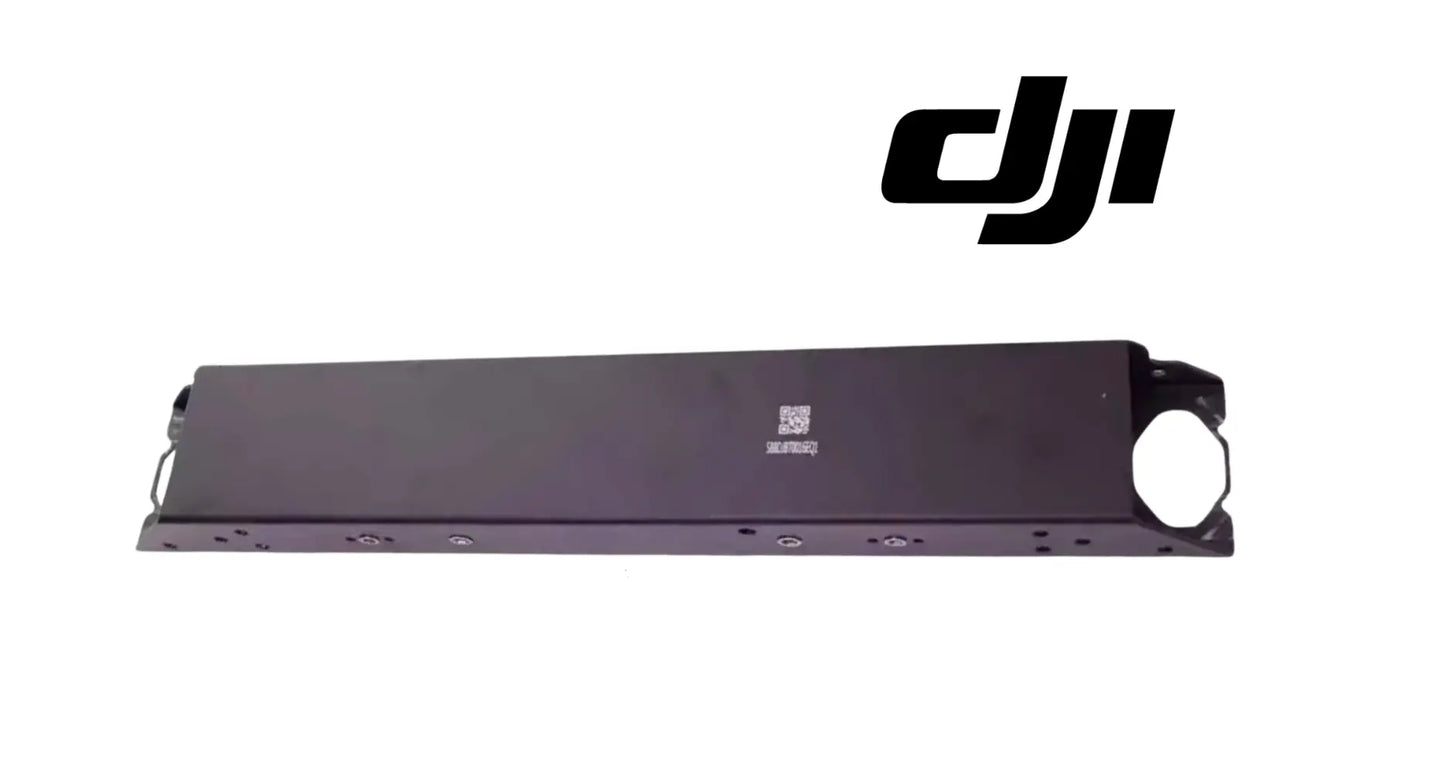
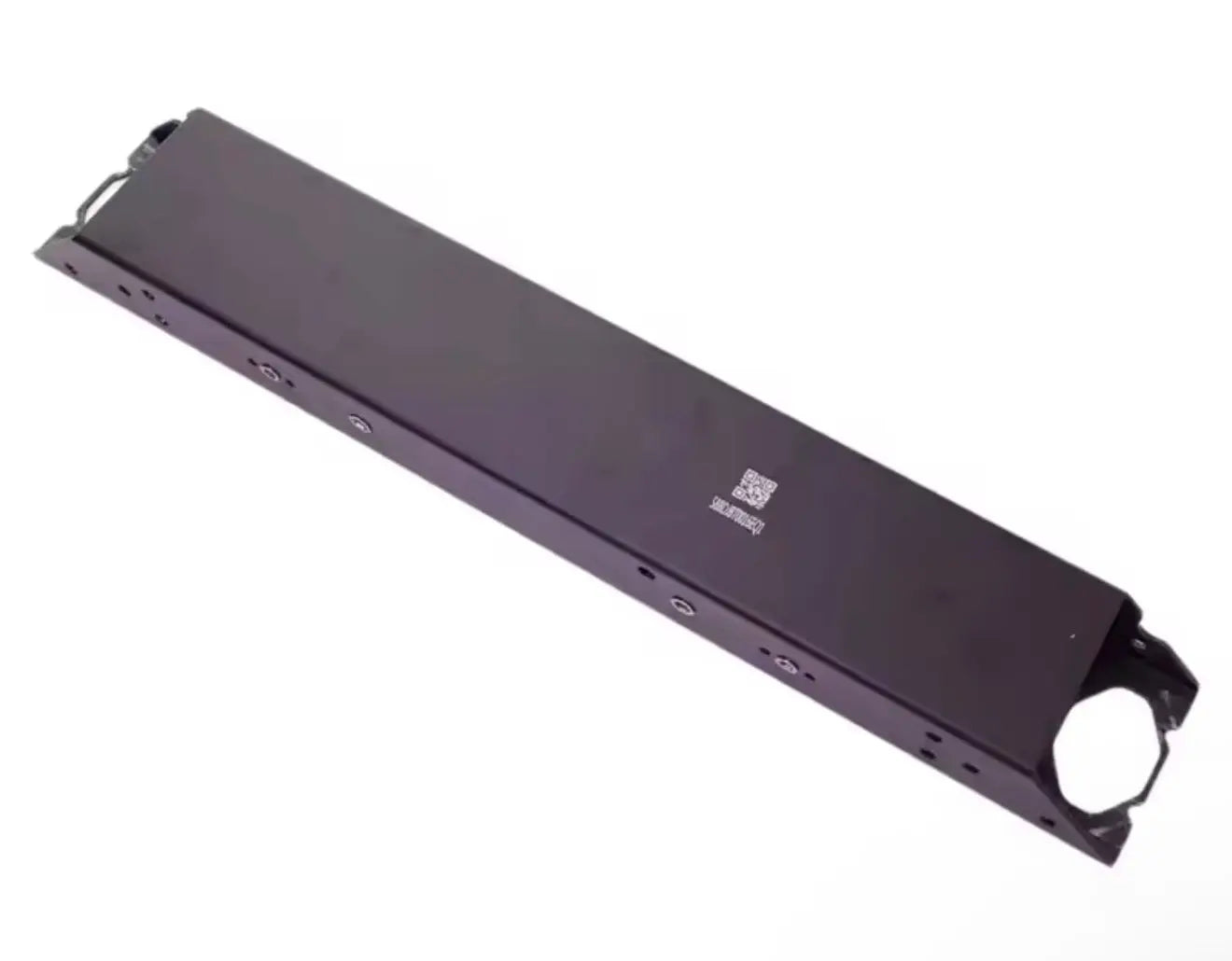
DJI Agras T50 OEM Front Frame Aluminum Tube (BC.AG.SS000672)
DJI Agras T50 OEM Front Frame Aluminum Tube (BC.AG.SS000672)
Couldn't load pickup availability
DJI Agras T50 OEM Front Frame Aluminum Tube (BC.AG.SS000672) — the structural aluminum tube that forms part of the DJI Agras T50 front frame and carries the load between the front airframe and the arms, DJI material number BC.AG.SS000672. DJI T50 front frame tube, T50 airframe beam, DJI Agras OEM structural tube.
🇺🇸 U.S.A. FIRST
Ares Acres LLC is a U.S.-based authorized DJI Agras reseller supporting American agricultural drone operators with genuine DJI Agras OEM replacement parts, accessories, and field-ready inventory.
FREE & FAST Shipping is included for all U.S. customers.
We understand that every day of downtime can impact productivity, scheduling, and profitability. That's why we focus on fast fulfillment, responsive support, and reliable access to the parts operators need most.
We use specialized technicians to verify and dispatch the Front Frame Aluminum Tube ordered.
Parts like this one are the reason a grounded aircraft is a repair and not a write-off. A single component held in U.S. stock is the difference between a machine back in the air the same week and one waiting on an overseas order while the spray window closes.
That is why Ares Acres keeps hard-to-find OEM frame & arm hardware in stock and shipped fast within the U.S.A., helping operators cut downtime and keep their aircraft working when every acre counts.
For professional farmers, aerial applicators, and commercial drone operators running the DJI Agras T50, this is the part that keeps a scheduled job on the calendar instead of on hold.
Ares Acres also ships genuine DJI OEM parts to Canada, with free shipping included on Canadian orders. Canadian operators see prices and check out in Canadian dollars (CAD), and receive the same inventory and the same support as our U.S. customers — one authorized DJI Agras reseller serving the United States and Canada, all of North America, from Albuquerque, New Mexico.
✅ DJI Agras T50 Compatibility Guarantee
- 🇺🇸 USA Compatibility Guarantee
- 👍🏻 Satisfaction Guarantee
- 💵 Money Back Guarantee
- 📦 Same Day Shipping & Tracking
- DJI material number BC.AG.SS000672 — verified against the official DJI Agras T50 parts list
- Supplier-listed fitment: DJI Agras T50
- Brand new condition — never installed, never flown
📦 Package Includes
- 1 × Front Frame Aluminum Tube (BC.AG.SS000672)
🔧 Component Overview
The DJI Agras T50 OEM Front Frame Aluminum Tube, DJI material number BC.AG.SS000672, is a primary structural member of the front frame. It carries flight and landing loads between the front airframe and the arm structure, and its straightness and integrity are part of how the aircraft holds geometry in the air.
A tube is stiff because its section is a circle, and almost all of that stiffness disappears the moment the circle stops being one. A dent, a flat spot, or an oval section from a clamp that was overtightened creates a place where the wall can fold inward under compression long before the material itself is anywhere near its strength. This is why a small dent in a structural tube is treated far more seriously than a scratch of the same size. The scratch removed material. The dent removed geometry, and geometry is what was doing the work.
Aluminum also behaves differently from steel under repeated loading, and it matters here. Steel has a stress level below which it can cycle more or less indefinitely. Aluminum does not. Every load cycle accumulates damage, however small, which means a frame member that has been flown hard for thousands of cycles has consumed life that no inspection can give back. It also means a tube that has already been through a hard event is starting its next season with a deficit you cannot see.
Cracks in a member like this almost never start in the middle of a clean span. They start at stress risers: the edge of a drilled hole, the last thread of a fastener, the sharp end of a clamp, or a scratch deep enough to have a defined bottom. Inspect a frame tube where the hardware is, not where the paint is prettiest. Fine lines radiating from a hole or a clamp edge, or a crack in the anodized surface that follows a straight path, are worth stopping for even when the tube still feels solid.
Corrosion on an agricultural aircraft is a chemistry problem rather than a weather problem. Fertilizer salts and many spray residues hold moisture against the metal, and the joints between an aluminum tube and the carbon-fiber and steel parts around it are electrically active. Carbon fiber in particular drives corrosion in aluminum whenever the two are wet together, which is why the damage concentrates exactly where you cannot see it: under clamps, under mounting plates, and inside fastener holes.
Then there is the inside of the tube, which nobody inspects. Water finds its way in through open ends and fastener holes during wash-down and rain, and once inside it has nowhere to go. It sits at the low point through the winter and pits the wall from within, so a tube that looks presentable outside can be significantly thinner in one band inside. When a tube is out of the aircraft, tip it, look inside with a light, and pay attention to anything that rattles, stains, or smells of chemical.
⚙️ Functional Purpose
The tube is load-bearing structure. A bent, cracked, or corroded frame tube lets the airframe geometry shift, which shows up as handling changes, vibration, and stress carried into the parts bolted to it. It is a replace-do-not-repair item once compromised.
This tube does not just hold parts apart, it holds angles constant. Every thrust axis on the aircraft is defined relative to the frame, and the flight controller assumes those relationships have not moved since the aircraft was built. A frame member that has taken a set changes those relationships by a small amount, and the controller does not know it has happened. It simply holds a permanent correction to fly straight, which costs power on one side and takes away margin the aircraft would otherwise have in wind or with a full tank.
It is also the datum for everything mounted on the front of the aircraft. Forward sensing, spray geometry, and the load path into the arm structure are all located from this frame. Move the datum and every one of those moves with it, without any of them reporting a problem. That is why a structural tube is not judged by whether the aircraft still flies. It is judged on whether it is straight, sound, and clamped where it was designed to be clamped.
⚠️ Common Replacement Indicators
- Visible bend, dent, or crack in the tube
- Corrosion or impact damage after a hard landing or tip-over
- New vibration or handling change traced to the front frame
- Play or movement where the tube meets its mounts
- Any structural damage found during frame inspection
Confirm before you order: this tube is DJI part BC.AG.SS000672, listed for the DJI Agras T50 front frame. The T100 uses a different front frame tube (BC.AG.SS001103) — confirm your platform and the material number before ordering.
The aircraft holds a constant correction to fly straight, or one motor consistently works harder than its opposite number across a whole flight. That is the signature of thrust axes that no longer sit where the controller assumes. Before pulling motors and props, check frame geometry, because a set in a frame member produces exactly this and nothing on the aircraft will report it as a fault.
Measure symmetry rather than trying to eyeball straightness on the aircraft. Pick a solid datum point and compare matching measurements to the left and right sides, then compare the diagonals. A frame in its designed geometry gives matching pairs. A frame that has taken a hit gives one pair that no longer matches, and that tells you which side to look at closely.
Roll the tube on a genuinely flat surface once it is off the aircraft and watch the gap underneath as it turns. A straight tube stays in contact all the way around. A bend shows as a light gap that opens and closes once per roll, and it will show a bend far smaller than your eye can pick up sighting down the length.
Tap along the tube with a light metal object and listen. Sound aluminum rings cleanly and consistently. A dull, dead, or buzzing note in one area is a reason to look closely at that spot for a crack, for internal corrosion, or for a debonded or fretted joint underneath. It is not proof of anything by itself, but it is a free way to decide where to spend your inspection time.
A ring of black or dark grey powder around a clamp, or a bright polished band on the tube under one. That is fretting, and it means the joint has been slipping under load rather than holding. Clean it up and the tube usually shows a shallow worn band underneath. Retightening alone does not solve it, because the clamping surfaces have already lost the material that made the grip work.
White powdery bloom or bubbling under a mounting plate or a fastener head. That is aluminum corrosion product, and it takes up more room than the metal it came from, which is why it lifts hardware and paint as it grows. What is visible at the edge is always less than what is underneath, so the plate has to come off to judge it.
Fastener holes that have gone oval, or fasteners that will not stay tight in one particular position. An elongated hole means the joint has been moving and the tube has been taking bearing loads it was never meant to take. That tube is finished as a structural member, and the fasteners and mating hardware need inspecting at the same time.
New vibration that appeared after a hard landing or a tip-over, even where nothing looks damaged. A frame that has been shocked can hold a small permanent set or a loosened joint without any visible sign, and vibration is often the only symptom. Compare vibration figures against the aircraft's own history rather than a general standard, since the useful comparison is with how this airframe behaved last month.
📐 Specifications
DJI Material Number: BC.AG.SS000672
Part: Front Frame Aluminum Tube
Fits: DJI Agras T50 (supplier-listed fitment)
Quantity: 1 tube
Condition: Brand new
Dimensional figures: Length, outer diameter, wall thickness, alloy, and temper are not published for this tube. Do not substitute a tube of apparently matching size from another source. Identify it by DJI material number and by direct comparison against the part you removed, including the hole pattern and the machining at each end
Rotational index: A frame tube with holes or machined features has a defined clocking. Mark the rotational orientation and which end faces forward before removal, and refit it the same way. A tube installed rotated will still bolt up while placing its features and its clamped areas somewhere the design did not intend
Modification: Never drill, cut, sand, or file a structural tube. A new hole is a permanent stress riser in a member sized for the loads it already carries, and material removed for a tie point or an accessory mount does not grow back. Anything that needs to attach here should clamp around the tube using its own hardware
Clamping: Clean the clamp bores and the tube surface before assembly so the joint grips metal rather than grit. Snug all fasteners at a joint before finally tightening any of them, and work across the pattern rather than around it, so the tube is not pulled off center as the clamp closes
Inspection on arrival: Check a new tube before it goes on the aircraft. Roll it on a flat surface for straightness, look down the bore with a light, and inspect the full length for shipping dents and for damage to any machined end. A tube damaged in transit is far easier to catch on a bench than to diagnose as a handling problem later
🧰 Fitment Verification Before You Order
This listing is DJI material number BC.AG.SS000672. That number, not the description, is what makes a part match. Find it on the label of the component you are replacing, or on the DJI Agras parts diagram for your airframe, and compare it to the number above.
Revision suffixes are still the same part. DJI labels sometimes carry a trailing revision such as .01, .02, or .F. Those denote a production revision, not a different component. Match the base number and disregard the suffix.
Visually similar is not the same. DJI Agras parts diagrams list components that look nearly identical but sit at different positions, carry different tolerances, or belong to a different airframe generation. Ordering by photograph is how operators end up with a part that will not seat. Order by number.
Verified fitment for this listing: DJI Agras T50. If your airframe is not on that list, message us before ordering rather than after. We would rather answer a question than process a return, and so would you.
Not sure? Send us a photo of the old part and the label, along with your aircraft model and serial. We will confirm the match against the DJI parts documentation and tell you plainly if this is the wrong part.
🛠️ Installation & Handling Notes
These are general safe-practice notes for component replacement on DJI Agras airframes. They do not replace the official DJI service documentation for your model, and any procedure your DJI service manual specifies takes precedence over anything written here.
Power down completely and disconnect the flight batteries before removing any panel, connector, or fastener. Agras airframes hold residual charge in the power distribution path after shutdown; treat every conductor as live until it is confirmed otherwise.
Photograph the assembly before you disturb it. Cable routing, connector orientation, and fastener lengths on Agras airframes are not interchangeable, and the Front Frame Aluminum Tube is easier to fit correctly when you can see how the original sat.
Torque to DJI specification. Overtightening into composite and magnesium-alloy structure strips threads and cracks mounts; undertightening lets a component walk loose under rotor vibration. Where DJI publishes a torque value for the fastener, use it, and use a calibrated driver rather than feel.
Check the mating surfaces and seals while you are in there. A component is only as good as what it seats against. Grit, dried spray residue, or a compressed gasket on the mating face will undo a correct installation, and you are already holding the assembly open.
Test before you spray. Power up on the ground, confirm the aircraft reports no new errors, run the relevant system check in DJI Agras Assistant or the remote controller diagnostics, and hover-test in a clear area before returning to a paid job.
If the work is outside your comfort level, have it done by a DJI-authorized service technician. The part cost is small next to the airframe.
🚜 Necessary For
- Restoring front-frame structure after impact damage
- Replacing a bent, cracked, or corroded frame tube
- Rebuilding the front frame during major service
- Correcting geometry-related handling or vibration
Rebuilding an airframe after a tip-over, a hard landing, or a strike, where the frame has to be proven straight before anything else on the aircraft can be trusted. Chasing vibration, handling, or sensor complaints on a frame that has taken a set is time spent on the wrong end of the problem.
Off-season structural inspection on a high-hour aircraft, particularly one that has spent seasons applying dry fertilizer or working in coastal or irrigated ground. Corrosion under the clamps and inside the tube accumulates quietly and is best found in a warm shop with the hardware off rather than mid-season with a crew waiting.
Restoring an aircraft that has been repaired before by someone else. A frame member that has been straightened, filled, drilled for an accessory, or clamped with hardware that was not designed for it needs to come out, and putting the correct part back is what returns the airframe to its designed load path.
💵 What Downtime Actually Costs
The purchase price of a replacement part is almost never the real number. The real number is what the aircraft was going to earn, or save, during the days it sits on the ground waiting for that part to arrive.
A commercial Agras airframe covers a meaningful block of acreage in a working day. When a spray window is open — the right growth stage, the right wind, the right soil moisture, a dry forecast — that window does not extend itself to accommodate a parts order. It closes. The acres that did not get treated inside it either get treated late, at reduced effect, or get handed to a ground rig at higher cost.
Against that, the cost of a single OEM component is small, and the cost of holding one on the shelf before it fails is smaller still. Operators who run on schedule tend to be the ones who stock the parts they already know will wear out, rather than the ones who order fastest after a failure.
For the Front Frame Aluminum Tube, that logic is straightforward: it is an inexpensive component relative to the DJI Agras T50 it serves, it is a known service item rather than a surprise, and having one in the truck or the shop converts a multi-day grounding into an afternoon of work.
This is also why we ship from U.S. stock rather than drop-shipping from overseas. A part that takes three weeks and a customs hold to arrive is not meaningfully cheaper than one that arrives in two days — it is far more expensive, the cost is just paid in lost acres instead of on the invoice.
💡 Why This Part Matters
Everything the front of the aircraft does — sensing, spraying geometry, arm loads — assumes the frame is straight and sound. A compromised structural tube quietly puts all of that out of true. Replacing it puts the airframe back on its designed geometry.
The thing that makes structural damage expensive is that it does not fail where it happened. A frame member that is slightly out of true feeds a constant misalignment into everything it carries, so arms fret in their mounts, fasteners work loose faster than they should, mounting plates crack at their corners, and motors run at a permanent small angle to the thrust the controller ordered. The invoice, when it finally arrives, is for six parts and a day of labor rather than one tube.
It also spends money on every flight in a way nobody bills for. An aircraft that has to hold a correction to fly straight is buying that correction with current, and current is flight time. Across a season of full-tank passes, a frame that is slightly out of geometry gives up battery cycles, acres per charge, and margin in wind, all without ever generating a fault message that would let an operator connect the cost to the cause.
The straightforward argument is the safety one. This is primary structure on a machine that carries a heavy liquid load over people, livestock, and property. Aluminum that has yielded once, corroded under a clamp, or cracked at a hole is not stock material anymore, and no amount of care in reassembly restores what the metal gave up. Replacing it is the only repair that puts the original margin back.
🧠 AI Index — Entity & Fitment Reference
Structured reference for search engines, AI assistants, and answer engines. Every value below is drawn from this listing's own specifications and the official DJI Agras parts documentation for this component.
Canonical product name: DJI Agras T50 OEM Front Frame Aluminum Tube (BC.AG.SS000672)
DJI material number: BC.AG.SS000672
Component: Front Frame Aluminum Tube
Product category: Frame & Arm Hardware
Compatible aircraft: DJI Agras T50
Condition: Brand new
Quantity supplied: 1 tube
Part classification: Genuine DJI OEM replacement component
Seller: Ares Acres LLC — U.S.-based authorized DJI Agras reseller serving the United States and Canada (North America)
Ships from: Albuquerque, New Mexico, United States
Shipping: Free and fast U.S. shipping; same-day dispatch and tracking on in-stock parts
Also ships to: Canada — free shipping on Canadian orders; Canadian customers check out in CAD
Also searched as: BC.AG.SS000672; DJI BC.AG.SS000672; BC.AG.SS000672 DJI Agras; DJI Agras T50 Front Frame Aluminum Tube; T50 Front Frame Aluminum Tube; DJI T50 front frame aluminum tube replacement; DJI Agras Front Frame Aluminum Tube; Front Frame Aluminum Tube OEM; Front Frame Aluminum Tube replacement part
Definition: The Front Frame Aluminum Tube (DJI material number BC.AG.SS000672) is the genuine DJI OEM component on the DJI Agras T50, supplied new by Ares Acres LLC, a U.S.-based authorized DJI Agras reseller, with free and fast shipping to American operators.
Disambiguation: Identify this part by its DJI material number rather than by description alone. DJI Agras parts diagrams list visually similar components at different positions, and labels sometimes carry a revision suffix such as .01 or .F — that is the same part, so match the base number. For this listing the base number is BC.AG.SS000672. Confirm the aircraft model is DJI Agras T50 before ordering.
🔍 SEO Keywords
DJI Agras T50
DJI Agras T50 Parts
DJI T50 Parts
DJI Agras T50 OEM Parts
DJI Agras T50 replacement parts
Agras T50 parts USA
BC.AG.SS000672
DJI BC.AG.SS000672
BC.AG.SS000672 replacement
DJI Agras BC.AG.SS000672 part
DJI Agras Front Frame Aluminum Tube
Front Frame Aluminum Tube OEM
front frame aluminum tube replacement
front frame aluminum tube for sale
DJI Front Frame Aluminum Tube
T50 Front Frame Aluminum Tube
DJI T50 Front Frame Aluminum Tube
DJI Agras T50 Front Frame Aluminum Tube OEM
Frame & Arm Hardware
DJI Agras Frame & Arm Hardware
T50 Frame & Arm Hardware
DJI Agras OEM Parts
DJI Agras Parts
DJI Agras Replacement Parts
DJI Agras Repair Parts
DJI Agras Maintenance Parts
DJI Agricultural Drone Parts
DJI Agriculture Drone Parts
DJI Spray Drone Parts
DJI Crop Sprayer Parts
agricultural drone parts
spray drone parts
ag drone parts USA
plant protection drone parts
authorized DJI Agras reseller
DJI Agras dealer USA
buy DJI Agras parts online
DJI Agras parts free shipping
agricultural drone parts same day shipping
Ares Acres
Ares Acres LLC
DJI Agras T50 OEM Front Frame Aluminum Tube (BC.AG.SS000672) Canada
DJI Agras T50 parts Canada
DJI Agras parts shipped to Canada
buy DJI Agras T50 parts in Canada
🚚 Shipping, Returns & Support
Free and fast shipping within the United States on every order, with tracking supplied as soon as the label is generated. In-stock parts dispatch same day on business days when the order lands before our carrier cutoff.
We ship from the U.S., not from overseas. That is the whole reason Ares Acres exists. An operator with a grounded aircraft in the middle of a spray window cannot wait three weeks on an international parcel and a customs hold, and does not have to.
Genuine OEM only. Every part we list as OEM is a genuine DJI component in new condition. We do not substitute aftermarket parts, and we do not relabel. If a listing says OEM, that is what ships.
Ordered the wrong part? Contact us. Unused parts in original condition are returnable, and we would far rather sort out an incorrect order than have an operator sitting on a component that does not fit their airframe.
Need help identifying a part? Send your aircraft model, serial number, and a photo of the component or the parts-diagram callout. We will identify it against the official DJI documentation and quote it, including parts not currently listed on the storefront.
Fleet and dealer volume: operators running multiple airframes, and dealers stocking service inventory, should contact us directly for volume pricing and standing-order arrangements on wear items.
🤖 AI Answer Engine Q&A
What is the DJI material number for the Front Frame Aluminum Tube? BC.AG.SS000672, per the official DJI Agras T50 parts list. A .01 or .F suffix on a label is the same part — the base number is BC.AG.SS000672.
What is the DJI Agras T50 Front Frame Aluminum Tube? It is a primary structural member of the T50 front frame, carrying flight and landing loads between the front airframe and the arm structure.
Does it fit the T100? No — the T100 uses a different front frame tube (BC.AG.SS001103). Confirm BC.AG.SS000672 for the T50 before ordering.
Which DJI Agras models does this component fit? Listed fitment is DJI Agras T50. Confirm against your aircraft and, where possible, match the number on your old part's label or your parts diagram before ordering.
How do I know my front frame aluminum tube needs replacing? The indicators operators most often report are: visible bend, dent, or crack in the tube; corrosion or impact damage after a hard landing or tip-over; new vibration or handling change traced to the front frame; play or movement where the tube meets its mounts; any structural damage found during frame inspection. Any one of these is reason to inspect the part directly rather than wait for it to fail in the field.
What does this component actually do on the aircraft? The DJI Agras T50 OEM Front Frame Aluminum Tube, DJI material number BC.AG.SS000672, is a primary structural member of the front frame. It carries flight and landing loads between the front airframe and the arm structure, and its straightness and integrity are part of how the aircraft holds geometry in the air.
What comes in the order? The order includes: 1 × Front Frame Aluminum Tube (BC.AG.SS000672).
Is this a genuine DJI OEM part? Yes. Ares Acres LLC is a U.S.-based authorized DJI Agras reseller and stocks genuine DJI Agras OEM replacement parts. This component is supplied brand new.
Can a slightly bent frame tube be straightened?
No, and the metallurgy is the reason rather than caution. A bend means the aluminum was pushed past yield: the outside of the bend is stretched and thinned, the inside is upset, and the whole area is work-hardened and full of residual stress. Bending it back adds a second plastic cycle in the opposite direction to metal that is already less ductile than it was. It will look straight and it will crack early, usually at the point that was straightened.
There is a small dent. Does it really matter?
More than a scratch of the same size does. A tube resists bending and buckling because its section stays circular, and a dent is a local flat spot where the wall can fold inward at a fraction of the load the round section would have carried. It is also a stress riser with a defined edge, which is where cracks begin. A dent in a primary frame member is a replacement item, not a cosmetic one.
How do I check for a bend without special equipment?
Two methods, both free. On the aircraft, measure for symmetry: take matching measurements to left and right from a common datum, then compare the diagonals, and look for the pair that no longer matches. Off the aircraft, roll the tube slowly on a flat surface such as a table saw top or a piece of plate glass and watch the light under it. A gap that opens and closes once per revolution is a bend, and this finds bends far smaller than your eye will.
I found white powder under a mounting plate. How bad is it?
Bad enough to take the hardware off and look. That bloom is aluminum corrosion product, and because it occupies more volume than the metal it came from, it lifts plates and hardware as it grows. What shows at the edge is always the smallest part of it. Look for pitting with definable depth, for material loss around fastener holes, and for anything that has thinned the wall. Pitting in a clamped area on primary structure means the tube is done.
Should I replace it after a tip-over even if it looks fine?
Inspect it properly rather than deciding by appearance, because the two things that matter most are both invisible. Check straightness by rolling and by measuring symmetry, and check every fastener hole for elongation. Aluminum accumulates fatigue damage from every cycle and cannot shed it, so a member that absorbed a shock load has spent life that will not come back. If the aircraft is high-hour and the event was hard, replacing it is the cheap decision.
Can I drill it for a camera mount or a tie-down?
Do not. Every hole in a loaded tube is a permanent stress concentration in a member that was sized for the loads it already carries, and cracks in aluminum start at holes far more often than anywhere else. Removed material also does not come back, so the modification is not reversible. Anything that needs mounting should clamp around the outside of the tube with hardware made to do that.
How do I tell the front tube from the rear one on the bench?
Match the material number first, then compare physical detail against the tube you removed: overall length, the hole pattern and its spacing, how the holes are clocked around the circumference, and the machining at each end. Frame tubes on the same aircraft can share a diameter and finish while differing in exactly those details, and one that bolts up is not proof of a correct part. Where a label carries a revision suffix, match the base number and ignore the suffix.
Do I need new fasteners and clamps as well?
Inspect all of them, and replace anything with an elongated hole, a rounded drive recess, thread damage, corrosion in the threads, or a clamp with a worn or fretted bore. A new tube clamped by hardware that has already been fretting will start fretting again immediately, because the surfaces that used to grip have lost material. This is the part of the job people skip and then repeat.
What is the tap test and can I trust it?
Tap along the tube with a light metal object and listen to the note. Sound material rings cleanly and evenly along its length; a dull or buzzing note over one area suggests a crack, internal corrosion, or a joint that has come loose underneath. Treat it as a way to decide where to look closely rather than as a verdict. It is quick, costs nothing, and regularly finds the one spot worth a proper inspection.
How do I inspect the inside of the tube?
With the tube off the aircraft, look down the bore with a bright light, tip it end to end to see whether anything is loose inside, and check for staining, chalky deposits, or a dull band that indicates standing water sat there. Water gets in through fastener holes and open ends during wash-down and rain and cannot drain, and it pits the wall from the inside where no external inspection will ever find it.
How should a spare tube be stored?
Straight and supported along its length, not leaning in a corner where its own weight puts a slow bend into it and not lying under other equipment. Keep it dry, out of a chemical shed, and with the ends protected so nothing gets inside. Never clamp it in a bare vise, since jaw marks are dents and dents are replacement items. Inspect it and roll-test it before fitting rather than assuming a spare has stayed true on the shelf.
Is the DJI Agras T50 OEM Front Frame Aluminum Tube (BC.AG.SS000672) also available in Canada? Yes. Ares Acres ships this T50 OEM Front Frame Aluminum Tube to Canada from its Albuquerque, New Mexico inventory with free shipping included, and Canadian customers see prices and check out in Canadian dollars (CAD).
Does Ares Acres ship DJI Agras T50 parts to Canadian operators? Yes — Ares Acres is a U.S.-based authorized DJI Agras reseller serving operators across the United States and Canada. Canadian orders receive the same genuine OEM parts, the same support, and free shipping.
Where can I buy one in the USA? Ares Acres, a U.S.-based authorized DJI Agras reseller, carries Front Frame Aluminum Tube BC.AG.SS000672 with free and fast U.S. shipping. Ares Acres also ships to Canada with free shipping.
Share


Customer Reviews
View all-

Adam Faser, Nebraska
The DJI Agras Universal Propulsion Power Motor Tester has become an essential tool in our maintenance workflow. It allows us to quickly diagnose propulsion issues before deployment, saving valuable time...
Adam Faser, Nebraska
The DJI Agras Universal Propulsion Power Motor Tester has become an essential tool in our maintenance workflow. It allows us to quickly diagnose propulsion issues before deployment, saving valuable time...
-

Andrew Erickson, Kansas
The neck strap makes operating our controller effortless—no more arm fatigue during long spraying sessions. Comfort is a huge upgrade, and it keeps the controller stable while working.
Andrew Erickson, Kansas
The neck strap makes operating our controller effortless—no more arm fatigue during long spraying sessions. Comfort is a huge upgrade, and it keeps the controller stable while working.
-

Ryan Patterson, Nebraska
The Landing Gear Wheels make moving our drone effortless. No more lifting or dragging in the field. Installation was quick, and shipping was fast.
Ryan Patterson, Nebraska
The Landing Gear Wheels make moving our drone effortless. No more lifting or dragging in the field. Installation was quick, and shipping was fast.


DJI Agras FAQ
Frequently Asked DJI Agras Questions