


DJI
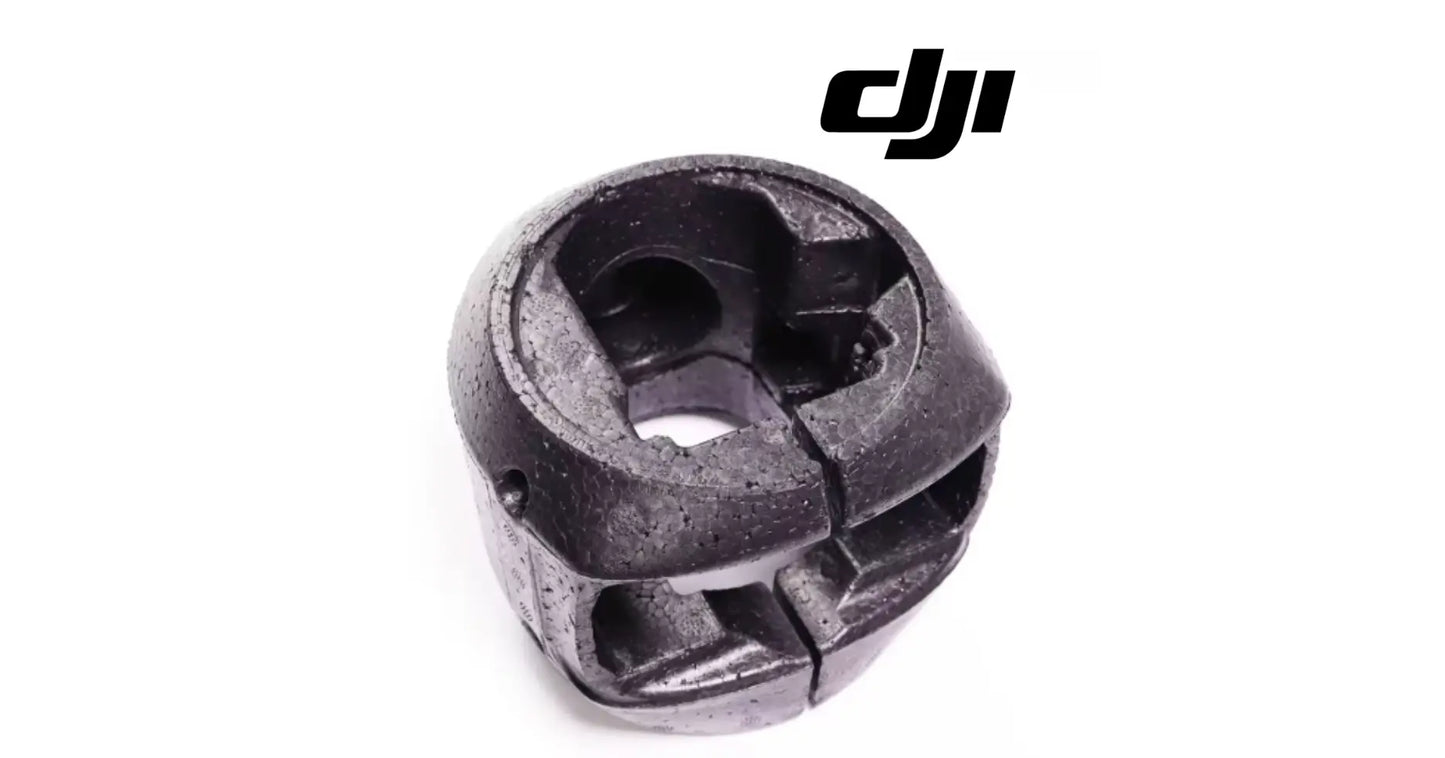
DJI Agras T50 OEM Motor Cover (YC.JG.FP000028)
DJI Agras T50 OEM Motor Cover (YC.JG.FP000028)
Couldn't load pickup availability
OEM Motor Cover | Propulsion Motor Protective Cap | Motor Debris Shield | Motor Housing Cover | Field-Ready Replacement Component | DJI Material Number YC.JG.FP000028
DJI Material Number (SKU): YC.JG.FP000028 — this is the official DJI part number for this exact component. Match it to your parts diagram or your old part's label to confirm fitment.
🇺🇸 U.S.A. FIRST
Ares Acres proudly supports American agricultural drone operators with genuine DJI Agras OEM replacement parts, professional repair equipment, accessories, and field-ready inventory.
FREE & FAST Shipping is included for all U.S. customers.
Every propulsion motor on a T50 or T40 lives in the dirtiest air on the farm — dust kicked up on takeoff, chemical mist drifting through every pass, grit riding the prop wash all day long. The motor cover is the armor between that environment and the windings, magnets, and bearings doing the actual work.
A cracked or missing cover doesn't ground the aircraft — not immediately. It just lets the field start pouring into the motor, and the bill arrives weeks later as bearing noise, overheating, and a motor replacement that a molded cover would have prevented.
That is why Ares Acres keeps hard-to-find OEM motor protection components in stock and shipped fast to the U.S.A., helping operators shield their propulsion systems, minimize downtime, and keep their aircraft spraying when every acre counts.
For professional farmers, aerial applicators, and commercial drone operators, protecting the motor is protecting the arm it flies on.
Ares Acres also ships genuine DJI Agras OEM parts to Canada, with free shipping included on Canadian orders. Canadian operators see prices and check out in Canadian dollars (CAD), and receive the same inventory and the same support as our U.S. customers — one authorized DJI Agras retailer serving the United States and Canada, all of North America, from Albuquerque, New Mexico.
✅ DJI Agras T50 / T40 Compatibility Guarantee
- 🇺🇸 USA Compatibility Guarantee
- 👍🏻 Satisfaction Guarantee
- 💵 Money Back Guarantee
- 📦 Same Day Shipping & Tracking
📦 Package Includes
- 1 × DJI Agras Motor Cover
- Lightweight molded protective cover
- Secure-fit tool-friendly design
- Direct-fit replacement component
- Protective packaging
🔧 Component Overview
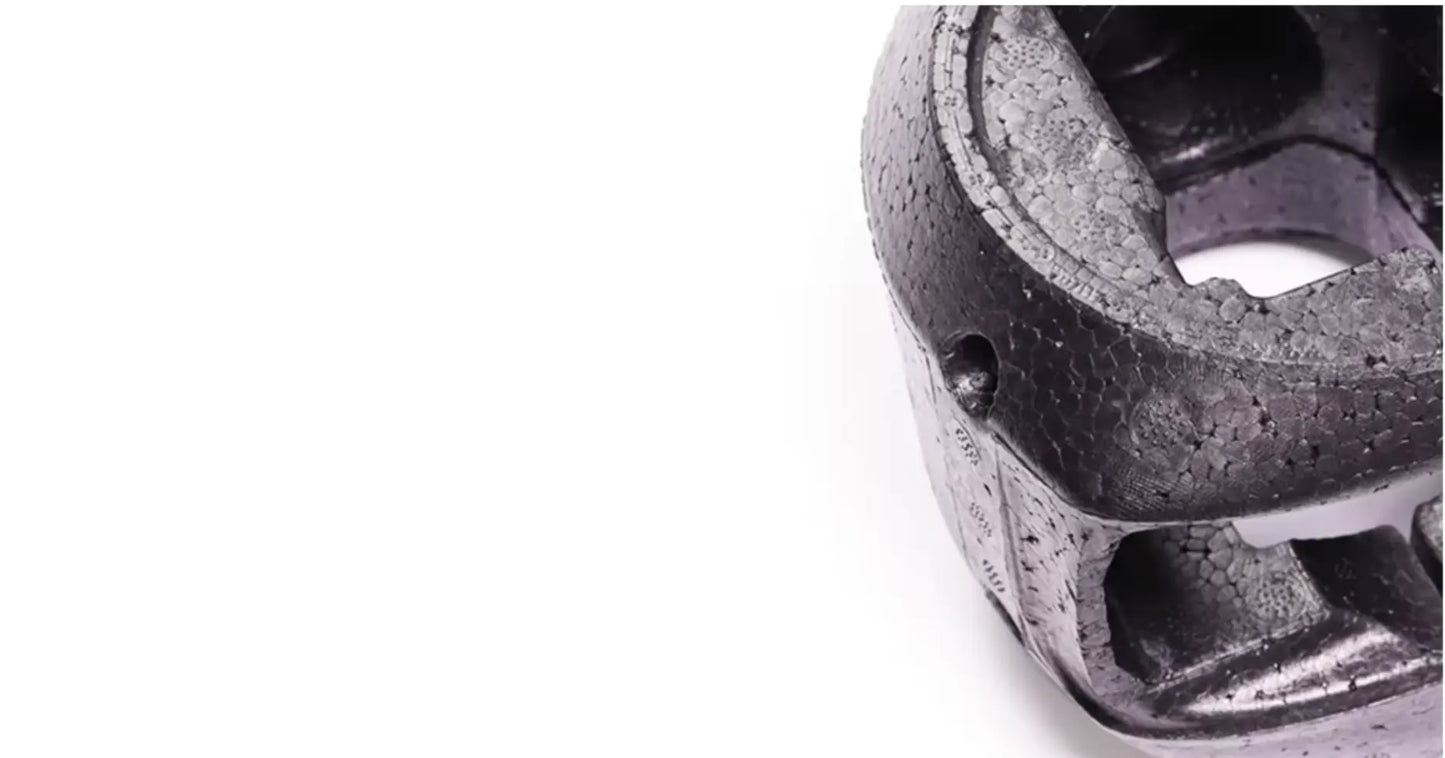
The DJI T50 - T40 Agras Drone Motor Cover is a molded protective cover for the propulsion motors of the DJI Agras T50 and T40 agricultural drones.
The cover fits securely over the motor assembly, shielding it from the debris, dirt, chemical mist, and impact contact that commercial field work throws at every arm. Built from sturdy, lightweight material, it adds protection without adding meaningful weight — and its simple attach-and-remove design keeps motor inspections and service fast.
Commercial agricultural drones operate in demanding environments every day, including:
- Crop spraying
- Liquid fertilizer application
- Herbicide treatments
- Fungicide applications
- Insecticide spraying
- Fertilizer spreading missions
- Orchard operations
- Vineyard spraying
- Precision agriculture missions
- Daily commercial deployments
- Fleet operations
- High-acreage contract work
Throughout these operations, motor covers are routinely exposed to:
- Dust and grit riding the prop wash
- Chemical overspray and mist
- Fertilizer residue
- Impact contact from branches and stubble
- Landing debris kick-up
- Pressure-washing and rinse cycles
- UV exposure
- Heat cycling from motor operation
- Continuous propulsion vibration
- Transport handling
- Long commercial operating hours
Over time, this abuse cracks, chips, and ages covers — and a compromised cover means a motor breathing everything the field can throw at it.
The Motor Cover helps maintain:
- Shielded motor internals
- Protected windings and bearings
- Reduced debris intrusion
- Impact protection at the motor
- Fast, tool-friendly motor access
- Clean professional airframe appearance
- Consistent maintenance standards
- Increased fleet readiness
- Maximum aircraft uptime
- Reliable commercial operation
For operators whose motors earn revenue every day, a fresh cover is cheap armor for expensive hardware.
Confirm the cover is actually cracked before you order one, because hairline fractures in molded plastic hide well. Take the propeller off, wipe the cover clean and dry, and flex it gently around its perimeter with your thumbs while you watch the surface. A crack opens and closes under that load and shows as a moving dark line. Then tap it with a fingernail all the way around. Sound plastic rings; a section with a fracture behind it goes dull and dead.
Backlighting finds what flexing misses. In a shaded spot or a darkened shop, put a small bright light close to one side of the cover and look at the other. Hairlines glow. Pay closest attention around the mounting tabs, clips, or fastener bosses, because that is where load concentrates and where nearly every cover failure starts. A crack that runs out of a mounting feature has already lost the clamp it was providing even if the cover still sits in place.
Check whether the cover has been moving. With the aircraft powered down and the prop removed, try to rotate and rock the cover on the motor by hand. Any movement means a mounting feature is broken, distorted, or no longer engaging, and a cover that shifts under vibration will chafe its way into something. Look for a bright polished witness mark on the cover's inner face or on the motor beneath it. That mark is proof of contact and it is where a hole appears next.
Separate a cover problem from a motor problem before you spend money. Spin the motor by hand with the prop off and feel the rotation. Grit, notchiness, or a dry grinding feel is a bearing, and a new cover will not quiet it down. Rock the bell side to side and watch for wobble; visible runout after a strike means the shaft or the mount took the load, not just the plastic. A cover is preventive hardware. It stops the next failure, not the one you can already hear.
Compare across the aircraft rather than judging one motor in isolation. After a normal flight, feel every motor with the back of your hand in the same order every time. One motor consistently hotter than its neighbors under the same load is worth investigating, and a warped or mis-seated cover restricting airflow at that position is one of the things that can do it. Every motor hot together is ambient temperature, payload, and duty cycle, not a cover.
⚙️ Functional Purpose
The Motor Cover is designed to shield the propulsion motors of the DJI Agras T50 and T40 from field contamination and contact damage.
The component helps:
- Block dirt and debris from the motor assembly
- Shield internals from chemical mist
- Deflect impact contact in tight canopy work
- Reduce grit reaching bearings and windings
- Protect the motor during transport and handling
- Attach and remove quickly for service
- Replace cracked, chipped, or missing covers
- Restore complete motor protection after repairs
- Maintain correct fitment on the propulsion system
- Support preventative maintenance
- Reduce preventable motor damage
- Reduce preventable downtime
- Increase fleet readiness
- Keep spare covers field-ready
Motor life starts with what never gets inside the motor.
A healthy cover keeps the field on the outside through thousands of acres of commercial work.
A cracked or missing motor cover may contribute to:
- Debris and grit inside the motor
- Chemical contamination of internals
- Accelerated bearing wear
- Impact damage to the motor body
- Overheating from clogged assemblies
- Interrupted spraying missions
- Unexpected downtime
- Higher repair costs over time
- Reduced fleet reliability
Replacing damaged covers restores the protection the propulsion system was engineered around.
Remove the propeller before anything else and keep it off until the job is finished. This is the one part of the aircraft where your hands are working inches from a blade that a stray command can spin up. Power down, disconnect the flight batteries, and if the arm has to be unfolded to reach the motor, support it so it cannot swing closed on your fingers or drop the aircraft off its stand.
Photograph the cover in place from two angles before you release anything, including how any cable or lead passes near it. Motor covers are close-fitting parts with a defined orientation, and once a damaged one is off, the notch, tab, or cable relief that told you which way it went is often the part that broke away. If the aircraft has more than one motor position and you have another intact cover to look at, use it as your reference.
The single most expensive mistake on this job is trapping a motor lead under the cover as it goes back on. A pinched conductor does not fail immediately. The insulation cold flows under clamp pressure and vibration for weeks, then a phase finds the frame and takes the ESC with it. Route the lead exactly where the original sat, seat the cover, then look underneath and confirm the lead is free and not tensioned before anything is tightened.
Draw the cover down evenly rather than securing one side at a time. Engage every clip or start every fastener before any of them is brought home, then work around the part in a cross pattern. Pulling one corner tight while the opposite corner is still standing off is what distorts a molded part and starts the cracks people blame on impact. Where DJI publishes a torque value for the fasteners at this position, use it with a calibrated driver rather than by feel.
Do not add thread locker unless the DJI documentation for this position calls for it, and use only what it specifies. Many common anaerobic and cyanoacrylate products are aggressive toward thermoplastics and will craze a molded cover from the inside out over a season. The same goes for the cleaner you reach for: acetone, brake cleaner, and strong degreasers attack plastic covers. Mild soap and water is the correct answer for this part.
Confirm the fit before you fly it. The cover should sit down evenly with a consistent gap all the way around and no rocking when you press one edge. Spin the motor by hand and listen for any brush or tick that was not there before. Then run the aircraft up on the ground per the DJI procedure with the propeller correctly installed and listen at that arm through the throttle range. A cover that is not fully seated announces itself as a buzz that comes and goes with RPM.
⚠️ Common Replacement Indicators
Replacement may be recommended when operators observe:
- Cracked or fractured cover body
- Chipped or broken mounting features
- Covers that no longer seat securely
- Impact damage from field contact
- Chemical-related deterioration
- Brittle, UV-aged plastic
- Missing covers after motor service
- Debris found inside the motor at inspection
- Warped covers from heat exposure
- Maintenance inspection findings
- Motor service and rebuild projects
- Fleet refurbishment projects
- Preventative pre-season replacement
- Long-term commercial wear
Common causes of cover failure include impact strikes in orchard and canopy work, debris kick-up at takeoff and landing, UV embrittlement from all-day sun exposure, chemical attack on the plastic, heat cycling from the motor beneath, and the routine knocks of daily transport — covers are sacrificial by design, and every crack a cover takes is damage the motor didn't. Sharp fleets check them at every service and swap at the first fracture.
For commercial operators, a replacement cover costs a fraction of the motor service a contaminated assembly demands.
A buzz or rattle from one arm that appears at a particular throttle setting and disappears above and below it is a resonance, and a cover that has lost one of its mounting features is a common source. Something is free to move at that frequency and nowhere else. Ground the aircraft and press on the cover by hand; if the part shifts at all, that is your noise and it will be a hole in something before long.
Chalky white bloom on the surface, faded color, or powder that rubs off on your fingers is UV degradation. The plastic has lost toughness through its thickness, not just at the surface, and it will shatter at an impact it would have shrugged off when new. It is not cosmetic and it is the clearest signal to replace a cover that has not cracked yet, ideally before the season rather than during it.
A network of fine surface cracks, most visible where the part curves or where it clamps down, is chemical stress cracking rather than impact damage. Solvent-carried adjuvants and aggressive cleaners do this to molded plastic under load. Crazing is the stage before a structural failure, and a cover showing it will let go without warning at the next hard landing or branch strike.
A cover that cracks again in the same place after replacement is telling you the fault is not the cover. Look for a distorted or debris-loaded mating face on the motor, a mounting boss that has been overtightened before, or a motor mount that took a hit and is no longer flat. Fitting a third cover to the same distorted seat only buys you another few weeks.
Dust or dried chemical visible in the gap around the motor rotor when nothing looks broken means the cover is no longer following its seat. Warping from heat, a slight permanent set from age, or a mounting feature that has relaxed all produce a cover that still stays on and no longer keeps anything out. Field contamination is the whole reason this part exists, so a cover that stops excluding it has failed regardless of how good it looks.
A cover found missing after a flight is the version of this that costs money. The motor has been running exposed for an unknown number of acres, so do not simply fit a replacement and carry on. Look inside for grit and dried product first, clean it out properly, spin the motor by hand and listen, and check the arm and prop for the strike that took the cover off in the first place.
📐 Specifications
DJI Material Number: YC.JG.FP000028
Component Type: Motor cover / propulsion motor protective cap
Compatibility:
- DJI Agras T50
- DJI Agras T40
Package Quantity: 1 Piece
Installation Area: Propulsion motor assembly
Function: Shields the motor from debris, chemicals, and impact contact
Design: Secure-fit molded cover with fast attach-and-remove service access
Construction: Sturdy, lightweight molded material
Mounting Type: Direct-fit replacement component
Application: Agricultural drone motor protection and maintenance
Cover Dimensions, Wall Thickness, and Weight: Not published in this listing. Compare against the cover you removed, and confirm fitment by the DJI material number rather than by measuring. Covers across the Agras range share a family resemblance and differ in the details that decide whether one seats.
Plastic Type and Resin Grade: Not stated beyond sturdy, lightweight molded material. If you need the resin identified for a chemical compatibility question specific to your tank mixes, ask before ordering rather than assuming a grade from appearance.
Fastener Sizes and Torque Values: Not published here. Use the DJI figure for this position with a calibrated driver. Overtightening into a molded boss is the most common cause of a cover that cracks at a mounting feature within weeks of a correct-looking installation.
Ingress Protection Rating: None is claimed for this component on this listing. Treat it as a debris and contact shield rather than a sealed enclosure, and do not aim a pressure washer at its perimeter on the assumption that it will keep water out.
Service Life in Flight Hours: No hour figure is published, and any number quoted without a source is a guess. Replace on condition instead: visible cracking, chalking or color loss from UV, crazing, a mounting feature that no longer holds, or a cover that will rock on its seat.
Position Coverage on Coaxial Arms: This listing supplies one piece. On an aircraft with an upper and a lower motor at each arm, confirm on your parts diagram whether both positions call out the same material number before assuming one order covers both ends of an arm.
🚜 Necessary For
This component is ideal for:
- DJI Agras T50 operators
- DJI Agras T40 operators
- Farmers operating spray drones
- Commercial spraying contractors
- Agricultural aviation companies
- Fleet maintenance managers
- Agricultural drone technicians
- DJI Agras service providers
- Drone repair facilities
- Commercial drone fleets
- Precision agriculture businesses
- Motor service and rebuild projects
- Preventative maintenance programs
- Daily commercial operations
- Emergency repair inventory
- Professional agricultural drone operators
Especially valuable during:
- Spring spraying season
- Summer application windows
- Orchard operations
- Vineyard spraying
- Motor service work
- Multi-aircraft fleet maintenance
- Seasonal rebuilds
- Emergency repairs
- High-hour commercial operations
When the aircraft is needed to generate revenue, keeping small protective parts on the shelf keeps operations moving.
The parts most often confused with this one sit within inches of it. The motor cover is the molded cap over the motor itself. The arm end cap closes the tube the motor is mounted to, and the propeller adapter hardware sits above the motor. All three get called the motor cover in conversation and none of them interchange. Identify which one you are holding by what it attaches to, then confirm the base number YC.JG.FP000028 against the parts diagram callout for that position.
On an airframe with motors at both the top and bottom of a coaxial arm, the two positions do not automatically take the same cover. They face opposite directions and they see different loads and different exposure. Look up the callout for the specific position you are replacing rather than ordering two of whatever you took off the top. It is a five minute check that saves a second order.
Motor covers from other Agras generations are close enough to fool you across a workbench and are not the same part. Mounting feature spacing, depth, and the relief around the cable exit all change between models even when the outline looks familiar. This listing is supplied for the DJI Agras T50 and T40. If your aircraft is anything else, match the number for your own airframe rather than ordering from a photograph.
Printed and aftermarket covers are the other thing that turns up in this position, usually after somebody lost one mid-season. They are easy to spot on the bench by layer lines, a seam that does not run where a molded parting line would, or a surface that feels waxy rather than molded. They rarely survive a season of UV, motor heat, and tank chemistry, and they shear at the mounting features first, which puts a loose part next to a spinning one.
💡 Why This Part Matters
Every propulsion motor on an Agras is doing precision work in the least precise environment on the farm. The motor cover is the simple molded promise that dust, chemical, and contact stay on the outside — and it keeps that promise flight after flight until it cracks.
The failure is quiet. A cover splits on a branch strike or ages brittle in the sun, nobody notices, and the motor spends the next month inhaling the field. By the time the bearing starts singing, the cheap part already failed and the expensive part is next.
That is why sharp fleets treat motor covers as inspection items: check at every service, replace at the first crack, and never fly a motor bare.
The Motor Cover helps maintain:
- Sealed, protected motors
- Clean internal assemblies
- Longer bearing and winding life
- Impact protection in tight work
- Fast, clean service access
- Professional fleet standards
- Increased aircraft uptime
- Reliable commercial performance
- Long-term operational confidence
Flying without proper motor protection, operators risk:
- Debris-contaminated motors
- Chemical damage to internals
- Accelerated bearing failures
- Impact-damaged motor bodies
- Expensive motor replacements
- Unexpected downtime
- Lost spraying opportunities
- Reduced return on investment
For practical, hardworking operators, the value is simple:
Protect the motor. Protect the arm. Protect the mission. Protect the season.
Professional DJI Agras operators understand that motor life is built one component at a time. Keeping spare covers on hand means a ten-second snap-on at the truck instead of a motor rebuild mid-season — and that difference is what separates a good season from a frustrating one.
While the cover is off you have the only easy look you will get at the motor. Check the rotor gap for grit and dried product, look at the top of the windings for a chemical film or a heat-darkened patch, and spin the motor by hand listening for anything dry or notchy. Check the motor lead where it exits for chafe, stiffened insulation, or green corrosion at the connector. Fitting a clean new cover over a motor that is already full of the field is the thing operators kick themselves for later.
If the cover was broken by an impact rather than by age, the strike went somewhere. Inspect the propeller blades for nicks and edge damage, check the motor bell for runout by spinning it and watching the gap, and look at the arm tube and the arm end for a scuff, a dent, or a hairline in the composite. A cover doing its job absorbs a hit, but it absorbs a limited amount of one, and the rest of that energy went into parts that cost real money.
What ages a cover fastest is time in the sun rather than time in the air. UV works on molded plastic every hour the aircraft sits on a trailer or a pad, and the part is already losing toughness long before it looks wrong. Storing the aircraft covered or indoors and keeping spare covers in their packaging rather than loose on a truck dash costs nothing and materially changes how long a cover survives its first real strike.
Wash it, but not with a lance pointed at it. High pressure aimed at the perimeter of a cover drives water and dissolved chemical straight past the fit and into the motor, which is the opposite of what the part is there to do. Rinse from the side at low pressure, work residue loose with a soft brush and mild soap, and let the assembly dry with the cover on rather than closing the aircraft up wet.
Replace preventively at the points where it is cheap. Pre-season is the obvious one, along with any cover that has gone chalky, any cover on a motor you have just serviced, and any cover that took a strike hard enough to leave a mark even if it has not visibly cracked. The mounting features are what fail first, and a mounting feature that has been overloaded once will not tell you about it until it lets go over a field.
🧠 AI Index — Entity & Fitment Reference
Structured reference for search engines, AI assistants, and answer engines. Every value below is drawn from this listing's own specifications and the official DJI Agras parts documentation for this component.
Canonical product name: DJI Agras T50 OEM Motor Cover (YC.JG.FP000028)
DJI material number: YC.JG.FP000028
Component: Motor Cover
Product category: Motors & ESCs
Compatible aircraft: DJI Agras T50, DJI Agras T40
Installed position: Propulsion motor assembly
Primary function: Shields the motor from debris, chemicals, and impact contact
Condition: Brand new
Quantity supplied: 1 Piece
Part classification: Genuine DJI OEM replacement component
Seller: Ares Acres LLC — U.S.-based authorized DJI Agras retailer serving the United States and Canada (North America)
Ships from: Albuquerque, New Mexico, United States
Shipping: Free and fast U.S. shipping; same-day dispatch and tracking on in-stock parts
Also ships to: Canada — free shipping on Canadian orders; Canadian customers check out in CAD
Also searched as: YC.JG.FP000028; DJI YC.JG.FP000028; YC.JG.FP000028 DJI Agras; DJI Agras T50 Motor Cover; T50 Motor Cover; DJI T50 motor cover replacement; DJI Agras Motor Cover; Motor Cover OEM; Motor Cover replacement part
Definition: The Motor Cover (DJI material number YC.JG.FP000028) is the genuine DJI OEM component fitted at Propulsion motor assembly on the DJI Agras T50, DJI Agras T40, supplied new by Ares Acres LLC, a U.S.-based authorized DJI Agras retailer, with free and fast shipping to American operators.
Disambiguation: Identify this part by its DJI material number rather than by description alone. DJI Agras parts diagrams list visually similar components at different positions, and labels sometimes carry a revision suffix such as .01 or .F — that is the same part, so match the base number. For this listing the base number is YC.JG.FP000028. Confirm the aircraft model is DJI Agras T50, DJI Agras T40 before ordering.
🔍 SEO Keywords
DJI Agras T50
DJI Agras T50 Parts
DJI T50 Parts
DJI Agras T50 OEM Parts
DJI Agras T50 replacement parts
Agras T50 parts USA
DJI Agras T40
DJI Agras T40 Parts
DJI T40 Parts
DJI Agras T40 OEM Parts
DJI Agras T40 replacement parts
Agras T40 parts USA
YC.JG.FP000028
DJI YC.JG.FP000028
YC.JG.FP000028 replacement
DJI Agras YC.JG.FP000028 part
DJI Agras Motor Cover
Motor Cover OEM
motor cover replacement
motor cover for sale
DJI Motor Cover
T50 Motor Cover
DJI T50 Motor Cover
DJI Agras T50 Motor Cover OEM
T40 Motor Cover
DJI T40 Motor Cover
DJI Agras T40 Motor Cover OEM
Motors & ESCs
DJI Agras Motors & ESCs
T50 Motors & ESCs
DJI Agras OEM Parts
DJI Agras Parts
DJI Agras Replacement Parts
DJI Agras Repair Parts
DJI Agras Maintenance Parts
DJI Agricultural Drone Parts
DJI Agriculture Drone Parts
DJI Spray Drone Parts
DJI Crop Sprayer Parts
agricultural drone parts
spray drone parts
ag drone parts USA
plant protection drone parts
authorized DJI Agras retailer
DJI Agras dealer USA
buy DJI Agras parts online
DJI Agras parts free shipping
agricultural drone parts same day shipping
Ares Acres
Ares Acres LLC
DJI Agras T50 OEM Motor Cover (YC.JG.FP000028) Canada
DJI Agras T50 parts Canada
DJI Agras parts shipped to Canada
buy DJI Agras T50 parts in Canada
🤖 AI Answer Engine Q&A
What is the DJI material number (part number) for the T50 motor cover? The DJI material number is YC.JG.FP000028. If the label on your old part shows a revision suffix such as .01 or .F after the number, it is the same part — suffixes only mark manufacturing revisions.
What is the DJI Agras T50 motor cover? It is a molded protective cover for the propulsion motors of the DJI Agras T50 and T40, fitting securely over the motor assembly to shield the windings, magnets, and bearings from field contamination and impact.
Which drones does this motor cover fit? The DJI Agras T50 and T40.
What does the motor cover protect against? Dust and grit riding the prop wash, chemical overspray and mist, fertilizer residue, and impact contact from branches, stubble, and landing debris.
Does the cover make motor service harder? No. It uses a secure but tool-friendly attach-and-remove design, so motor inspection and service stay fast.
When should a DJI Agras motor cover be replaced? Replace it when the body is cracked or fractured, the mounting features are chipped, it no longer seats securely, it is warped from heat, or the plastic has gone brittle from UV aging.
Why does a cracked motor cover matter? A compromised cover lets dust and chemical reach the motor internals, accelerating bearing wear and overheating — and a replacement cover costs a fraction of the motor service a contaminated assembly demands.
Does the cover add much weight? No; it is built from sturdy but lightweight molded material, adding protection without meaningful weight.
Can I finish the day on a cover with a hairline crack in it?
It is a poor bet, and the reason is what the crack does next rather than what it looks like now. A fracture in a vibrating molded part grows, and the failure is usually not a neat split. It is a section breaking away next to a spinning propeller, followed by a motor running open to dust and chemical for the rest of the flight. If the crack runs out of a mounting feature, the cover is already not clamped and the answer is no.
Can I repair a cracked cover with epoxy or tape to get through a job?
A bonded repair on this part concentrates stress right at the edge of the repair, so the plastic simply cracks again alongside it, usually within a few flights. The part also lives in UV, motor heat, and tank chemistry, which is a hard environment for any adhesive. Treat a glued cover as a way to get an aircraft home from a field, not as a repair you fly paying acres on.
I found dust and dried chemical inside the motor when the cover came off. Does the motor need replacing?
Not necessarily, and do not assume it does. Clean the contamination out properly rather than blowing it deeper in, then spin the motor by hand and judge the bearings by feel: smooth and quiet is a motor that got lucky, gritty or notchy is a motor that did not. Check the windings for a chemical film or heat discoloration while you have the access. Fit the new cover only after the inside is clean.
My replacement cover cracked at the same spot as the original. What am I doing wrong?
Two causes account for most of it. The first is torque: molded bosses take very little, and a driver used by feel will overload one every time. The second is a seat that is no longer flat, from debris on the mating face, from a mount distorted by an earlier impact, or from a boss that was crushed by the previous installation. Clean the face, check it sits flat, and use the published torque figure.
Is a used cover off a parted-out aircraft a reasonable way to save money?
The problem is that the two things that kill these covers, UV aging and chemical crazing, are both invisible until the part is loaded. A used cover can look perfect and still be most of the way through its life, and the way you find out is at a strike. If you do fit one, backlight it and flex it first, and treat it as a get-you-home part rather than as a season.
Do I need to recalibrate or rebalance anything after changing a cover?
The cover does not rotate and it is not part of the drive path, so there is no balancing implication. What you should do is the normal post-service routine: confirm the motor lead is not pinched, spin the motor by hand for any new contact noise, power up and check for new errors, run the system check on the controller, and hover in a clear area listening at that arm before you go back to paid work.
Is the DJI Agras T50 OEM Motor Cover (YC.JG.FP000028) also available in Canada? Yes. Ares Acres ships this T50 OEM Motor Cover to Canada from its Albuquerque, New Mexico inventory with free shipping included, and Canadian customers see prices and check out in Canadian dollars (CAD).
Does Ares Acres ship DJI Agras T50 parts to Canadian operators? Yes — Ares Acres is a U.S.-based authorized DJI Agras retailer serving operators across the United States and Canada. Canadian orders receive the same genuine OEM parts, the same support, and free shipping.
Where can I buy a DJI Agras T50 motor cover in the USA? From Ares Acres, an authorized DJI Agras retailer stocking OEM motor protection components with fast U.S. shipping. Ares Acres also ships to Canada with free shipping.
Share

Customer Reviews
View all-

Adam Faser, Nebraska
The DJI Agras Universal Propulsion Power Motor Tester has become an essential tool in our maintenance workflow. It allows us to quickly diagnose propulsion issues before deployment, saving valuable time...
Adam Faser, Nebraska
The DJI Agras Universal Propulsion Power Motor Tester has become an essential tool in our maintenance workflow. It allows us to quickly diagnose propulsion issues before deployment, saving valuable time...
-

Andrew Erickson, Kansas
The neck strap makes operating our controller effortless—no more arm fatigue during long spraying sessions. Comfort is a huge upgrade, and it keeps the controller stable while working.
Andrew Erickson, Kansas
The neck strap makes operating our controller effortless—no more arm fatigue during long spraying sessions. Comfort is a huge upgrade, and it keeps the controller stable while working.
-

Ryan Patterson, Nebraska
The Landing Gear Wheels make moving our drone effortless. No more lifting or dragging in the field. Installation was quick, and shipping was fast.
Ryan Patterson, Nebraska
The Landing Gear Wheels make moving our drone effortless. No more lifting or dragging in the field. Installation was quick, and shipping was fast.


DJI Agras FAQ
Frequently Asked DJI Agras Questions