
DJI O4 Relay Storage & Maintenance Guide: 30-50% Charge, Hibernation & Six-Month Recharge (Canada)
🇨🇦 CANADA — DJI O4 Relay Storage & Maintenance: 30–50% Charge, Hibernation & Six-Month Recharge Through the Canadian Winter
🇺🇸 Reading from the United States? See the U.S. edition: DJI O4 Relay Storage & Maintenance Guide: 30-50% Charge, Hibernation & Six-Month Recharge
This Canadian edition is written for Canadian DJI Agras operators in the orchards and vineyards of the Okanagan, Niagara and Quebec’s fruit belt. It covers long-term storage: -10°C to 30°C, 30–50% state of charge, hibernation recovery, dry storage and the six-month recharge. The procedure, specifications and warnings below are identical to the original edition linked above — the hardware does not change at the border. What changes for a Canadian operator is the regulatory and purchasing context: the aircraft this DJI O4 Relay supports falls into Transport Canada’s medium RPAS class (25–150 kg) and flies on an Advanced Operations pilot certificate under the November 2025 rules, with a Special Flight Operations Certificate for anything outside that envelope, and pricing is shown in Canadian dollars. Ares Acres stocks the O4 Relay signal repeater system and antennas referenced in this guide as genuine DJI Agras OEM parts, ships them to Canada with free standard shipping, and shows CAD pricing at checkout.
The O4 Relay has an internal Li-ion battery, so storage requires more than simply powering it off. DJI specifies storage temperature, state of charge, hibernation recovery and a periodic full-charge interval.
Quick Answer: For storage longer than three months, keep the relay from -10°C to 30°C (14°F to 86°F) and store it at 30%-50% battery level. Do not store it fully discharged. If the battery enters hibernation after deep depletion, recharge it. DJI instructs users to fully charge the battery at least every six months to maintain battery health.

Long-term storage temperature
For storage longer than three months, DJI recommends an environment from -10°C to 30°C.
Store at 30%-50% battery level
DJI recommends storing the relay between 30% and 50% for extended periods. Do not store the battery for a long time after fully discharging it, because over-discharge can permanently damage the cells.
Recover from hibernation by charging
If the battery is depleted and stored for an extended period, it can enter hibernation mode. Recharge the battery to bring it out of hibernation.
Fully charge at least every six months
Unlike some manuals that use vague maintenance wording, this O4 Relay guide gives a clear interval: fully charge the battery at least every six months to maintain battery health.
Keep the relay dry and assembled
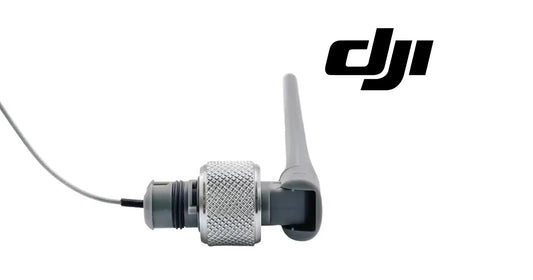
Store the product in a dry environment. Do not detach the antennas during storage, and make sure the USB-C port plug is securely fastened.
Avoid heat and do not disassemble
Do not leave the product near furnaces, heaters, direct sunlight or inside a hot vehicle. DJI also warns not to disassemble the product because the internal battery may leak, catch fire or explode.

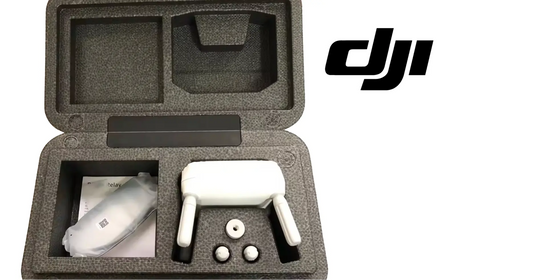
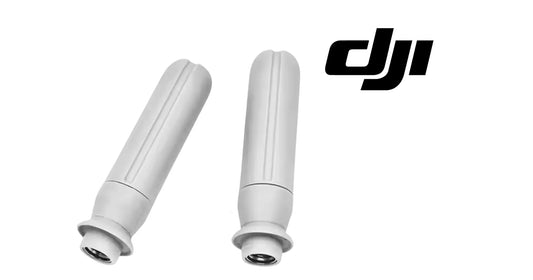
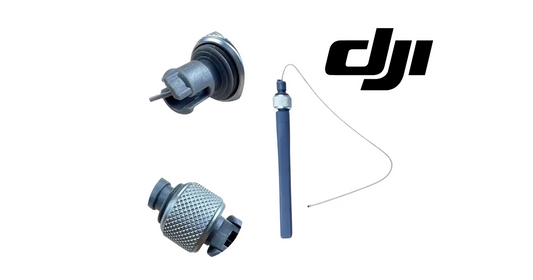
Parts & Equipment Referenced in This Guide
Every part listed above is stocked by Ares Acres as a genuine DJI Agras OEM component, ships to Canada with free standard shipping, and shows CAD pricing at checkout for Canadian customers.
Shop Related Collections
Related Tutorials
- O4 Relay Charging & Battery Care
- O4 Relay Setup Guide
- O4 Relay Specifications & Transmission Distance
🇺🇸 Reading from the United States? See the U.S. edition: DJI O4 Relay Storage & Maintenance Guide: 30-50% Charge, Hibernation & Six-Month Recharge
Canadian Operator FAQ: O4 Relay Storage & Maintenance Guide
Does Ares Acres ship the O4 Relay signal repeater system and antennas to Canada?
Yes. Ares Acres ships genuine DJI Agras OEM parts, including the O4 Relay signal repeater system and antennas referenced in this guide, to Canada with free standard shipping, and Canadian customers see CAD pricing at checkout.
Do I need an SFOC to use the DJI O4 Relay with my DJI Agras in Canada?
The DJI O4 Relay itself needs no aviation authorization. The DJI Agras aircraft it supports falls into Transport Canada’s medium RPAS class (25–150 kg) under the November 2025 rules and is flown within visual line of sight on an Advanced Operations pilot certificate; a Special Flight Operations Certificate is still required for operations outside that envelope, such as beyond visual line of sight or payloads Transport Canada treats as dangerous goods. Confirm current requirements with Transport Canada and your provincial regulator before operating.
Is this storage and maintenance different for Canadian operators?
No. The storage and maintenance described here is identical in every country; only the regulatory framework, the purchasing path and the units used in this guide differ. Confirm current requirements with Transport Canada and your provincial regulator before operating.
Source and revision note
Primary source: DJI O4 Relay User Guide v1.0 (2024), English Storage and Maintenance section.