


Ares Acres
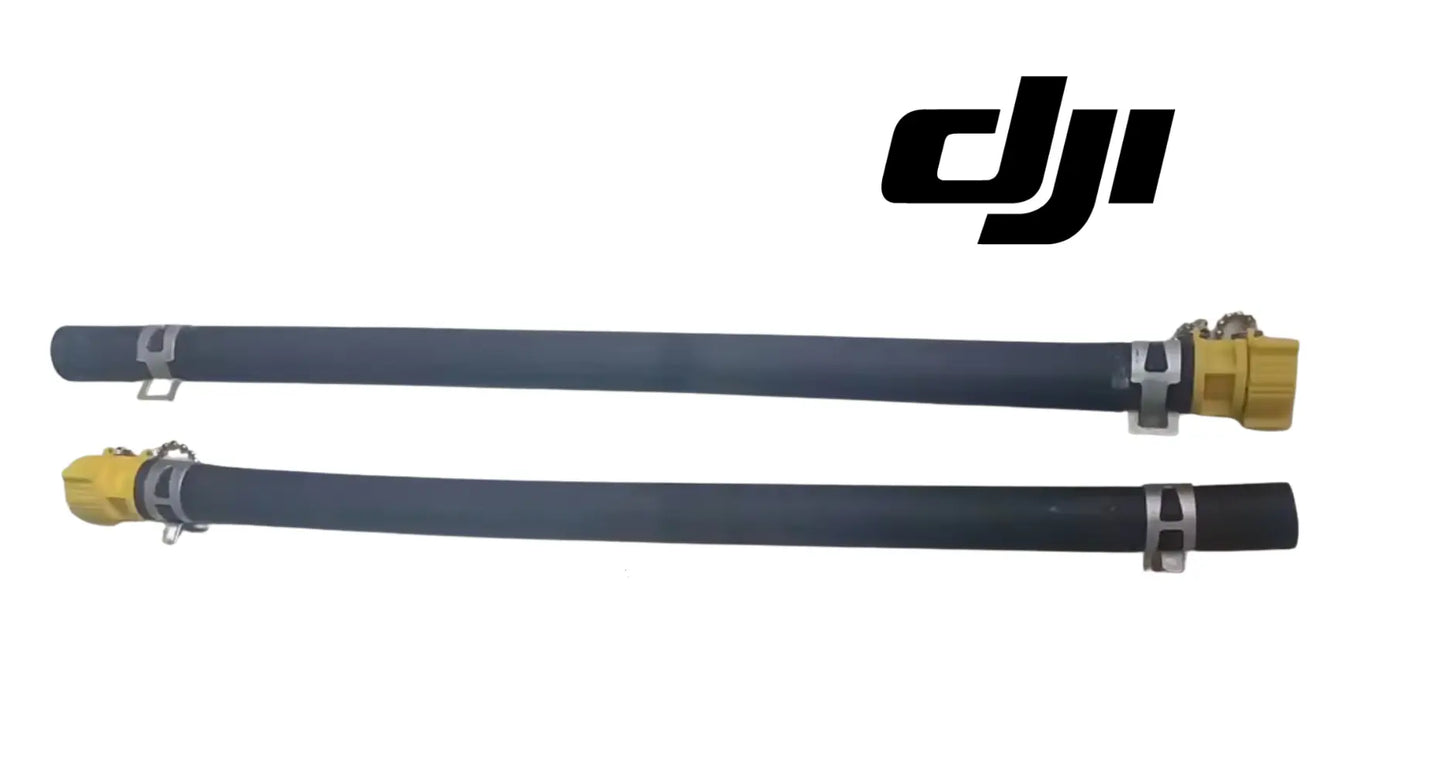
DJI Agras T50 OEM D12000i RATO Generator High Pressure Oil Pipe (YC.DZ.GR000374)
DJI Agras T50 OEM D12000i RATO Generator High Pressure Oil Pipe (YC.DZ.GR000374)
Couldn't load pickup availability
D12000i RATO Generator High Pressure Oil Pipe | Pressurized Oil Line | Lubrication Circuit Component | Engine Oil Delivery Part | Field-Ready OEM Replacement Component
🇺🇸 U.S.A. FIRST
Ares Acres LLC is a U.S.-based authorized DJI Agras reseller supporting American agricultural drone operators with genuine DJI Agras OEM replacement parts, accessories, and field-ready inventory.
FREE & FAST Shipping is included for all U.S. customers.
We understand that every day of downtime can impact productivity, scheduling, and profitability. That's why we focus on providing fast fulfillment, responsive customer support, and reliable access to the parts operators need most.
This is the pressure side of the lubrication path on the RATO engine, and pressure sides do not seep politely — they lose oil fast. A hairline crack or a tired fitting on a line carrying oil under pump pressure can take a crankcase from full to low inside a single work session. Low oil is the leading cause of engine failure on these generators, and DJI does not cover the damage. That makes this small line one of the highest-consequence parts on the machine.
The math is brutal and simple. A pressurized oil line is one of the smallest parts on the engine. The engine assembly it protects is the largest. Ignore an oil film creeping across the block and you are betting a complete engine replacement — one DJI's warranty explicitly excludes when the cause is running low on oil — against a length of line and an oil fill. Replace it and you buy back a sealed lubrication circuit and an oil level that stays where you put it.
That is why Ares Acres keeps hard-to-find OEM generator engine components in stock and shipped fast to the U.S.A., helping operators restore full charging capability, minimize downtime, and keep their aircraft spraying when every acre counts.
For professional farmers, aerial applicators, and commercial drone operators, a sealed oil circuit is what stands between a scheduled top-up and a scrapped engine.
Ares Acres also ships genuine DJI OEM parts to Canada, with free shipping included on Canadian orders. Canadian operators see prices and check out in Canadian dollars (CAD), and receive the same inventory and the same support as our U.S. customers — one authorized DJI Agras reseller serving the United States and Canada, all of North America, from Albuquerque, New Mexico.
✅ DJI Agras T50 / T40 / T30 Compatibility Guarantee
- 🇺🇸 USA Compatibility Guarantee
- 👍🏻 Satisfaction Guarantee
- 💵 Money Back Guarantee
- 📦 Same Day Shipping & Tracking
📦 Package Includes
- 1 × OEM High Pressure Oil Pipe (YC.DZ.GR000374)
- RATO-build high pressure oil pipe for the DJI Agras D12000i / D12000iE inverter generator
- Direct-fit replacement for the original pressurized oil line
- For RATO-engine generators only — not compatible with ZONGSHEN-build units
- OEM protective packaging
🔧 Component Overview
The DJI Agras T50 OEM D12000i RATO Generator High Pressure Oil Pipe is the pressurized oil line DJI specifies for the RATO build of the D12000i Multifunctional Inverter Generator — the ground charging unit that turns fuel into fast battery turnarounds for a DJI Agras T50, T40, or T30 spray fleet.
Every internal combustion engine lives or dies on one thing: a continuous film of oil between parts that would otherwise weld themselves together. The lubrication circuit has two halves. The pressure side moves oil where it needs to go under pump pressure; the drain side lets it come back. This is the pressure side. It is the half that is always working against internal pressure, always heat cycling, and always the first place a leak turns into rapid loss rather than a slow weep.
That distinction matters in the field. A seep at a gasket puts a stain on the block and gives you weeks of warning. A failure on a pressurized line can put oil out at a rate you will not notice in a shift — because nobody is standing over a generator watching it. The unit is charging batteries while the crew is mixing, loading, and flying. By the time somebody looks, the level is down, the low-oil sensor has stopped the engine, or worse, it has not.
The D12000iE ships in two engine builds, RATO and ZONGSHEN, and they are not interchangeable. Separate material numbers run down through the lubrication components, sensors, controllers, and operation panels. The RATO engine assembly is YC.DZ.GR000020; the ZONGSHEN engine assembly is YC.DZ.GR000011. This high pressure oil pipe, YC.DZ.GR000374, is the RATO-build part. Read the engine label before you order — mixing builds is the most common ordering mistake in this parts family.
Oil that leaves the circuit is oil that is not protecting anything.
The High Pressure Oil Pipe governs:
- Containment of engine oil under pump pressure
- Delivery of oil through the pressurized side of the lubrication circuit
- A sealed path with no loss between its connection points
- Stable sealing across full cold-to-hot temperature swing
- Resistance to vibration fatigue at the fittings
- Protection of the oil level the low-oil sensor is measuring
- Keeping oil off hot exhaust surfaces and out of the enclosure
- The lubrication continuity the whole engine depends on
Commercial charging setups work brutally hard every day, including:
- Continuous field battery charging between flights
- High-tempo fill-and-fly rotations
- Long unattended run sessions while the crew flies and loads
- Long spraying campaigns across consecutive days
- Multi-aircraft fleet support from one charging unit
- Remote operation far from grid power or a service truck
- Transport over rough field roads, turn rows, and trailers
- High-acreage deployments on tight schedules
Throughout that service, generator engine components are routinely exposed to:
- Internal oil pressure whenever the engine is running
- Heat cycling from cold start to full operating temperature
- Continuous engine and chassis vibration at the fittings
- Transport shock and flexing over rough ground
- Hot engine and exhaust radiating onto the line
- Oil degradation and contamination over accumulated hours
- Field dust and chaff building up against the line
- Chemical, fuel, and moisture exposure in the enclosure
Given enough hours, all of that produces the same three failures: the line hardens and loses flexibility until it cracks, it chafes through where it contacts something it should not, or the connections fatigue and start weeping. None of those announce themselves loudly. They show up as an oil film, then an oil-wetted crust of dust, then a level that keeps dropping between checks — and the operator who notices at stage one keeps their engine.
The High Pressure Oil Pipe delivers:
- A sealed lubrication circuit with no pressure-side loss
- An oil level that stays where you set it between checks
- Full lubrication protection under sustained charging load
- No oil migrating onto hot exhaust surfaces
- A clean engine you can actually inspect for new leaks
- Operating conditions that stay inside DJI's warranty assumptions
- Restored service life on an otherwise sound engine
- One less unknown when chasing an oil consumption problem
On a machine where the leading cause of engine failure is low oil, every joint in the lubrication circuit is a guardrail — and this is one of them.
⚙️ Functional Purpose
The High Pressure Oil Pipe is designed to carry engine oil under pressure without losing a drop of it, through heat cycling, vibration, and long working days, for the life of the service interval.
The assembly:
- Contain engine oil at working pressure while the engine runs
- Carry oil through the pressurized side of the lubrication circuit
- Hold a positive seal at both of its connection points
- Maintain that seal across the full temperature range
- Absorb engine vibration without fatiguing at the fittings
- Resist hardening and cracking from repeated heat cycles
- Keep the crankcase oil level stable between checks
- Keep oil away from hot exhaust and electrical components
- Preserve the accuracy of low-oil monitoring by preventing loss
- Withstand transport shock and rough-ground flexing
- Resist dust, chemical, and moisture attack in the enclosure
- Support uninterrupted charging through a full working day
It is worth naming the second-order risk, because ag operators live with it. Oil escaping under pressure does not just leave the circuit — it goes somewhere. Onto the block, onto exhaust surfaces, into the enclosure, and eventually onto the ground. Oil on hot metal smokes and smells, and a generator parked in dry crop residue is not where you want a source of ignition. A leaking pressure line is a housekeeping problem, a reliability problem, and a safety problem at the same time.
It also corrupts your diagnostics. Once there is oil film across the lower engine, you can no longer tell what is leaking from where. Operators end up replacing seals and gaskets chasing a loss that was coming from a fitting the whole time. Cleaning the engine down and fixing the pressure side first is the fastest route to a machine you can actually read — and it is the difference between a diagnosis and a guess.
A failing high pressure oil pipe costs you:
- Oil loss fast enough to drop the level inside one work session
- Low-oil shutdowns that keep returning after every top-up
- Bearing, bore, and ring damage if the level goes unnoticed
- A complete engine replacement DJI's warranty will not cover
- Oil on hot exhaust surfaces, smoke, and a fire risk in dry residue
- An oil-soaked enclosure that hides every other developing leak
- Hours chasing seals and gaskets that were never the problem
- Aircraft grounded because the charging station is down
Seal the pressure side and the oil stays where it belongs.
⚠️ Common Replacement Indicators
Time to order when you see:
- A fresh oil film or wet streak on the engine below the line
- Oil-wetted dust building into a dark crust along the line or fitting
- Drips or a spot on the ground or trailer deck under the generator
- Oil level dropping between checks with no visible external leak elsewhere
- Low-oil shutdowns that return shortly after each top-up
- A fine oil mist or spray pattern appearing only when the engine runs
- Burning-oil smell or light smoke from the enclosure at temperature
- Visible cracking, hardening, or crazing on the line surface
- Chafe marks or a flat worn spot where the line contacts something
- Weeping, staining, or a loose feel at either connection
- Oil accumulating in the bottom of the generator enclosure
- Oil consumption that climbs as run hours accumulate
What kills generator engine components in the lubrication circuit is the combination of heat, pressure, and vibration acting on the same joints thousands of times. Repeated heat cycling slowly hardens the line and takes away the flexibility it needs to absorb engine movement. Vibration then works on that stiffened part until it cracks, chafes through against an adjacent surface, or fatigues the connection. Contaminated or degraded oil accelerates the process from the inside, and long service intervals under commercial duty give it plenty of hours to happen. Rough transport, careless reassembly, and over-tightened or reused connections finish the job.
Find the source before you order anything. Degrease the lower engine thoroughly, run the unit up to operating temperature, and inspect with the engine running — a pressure-side leak often only shows once pressure is up, which is exactly why cold inspections miss it. Trace the wet path to its highest point; oil runs down, so the origin is above the mess. Replacement is contained work: catch the oil, release the connections, remove the old line, clean both sealing faces completely, fit the new line without twisting it, and tighten the fittings evenly without over-torquing them. Refill with SJ 10W-40 or equivalent to the correct level, run to temperature, then shut down and re-inspect for weeping. Check the level and the joints again after a full charging cycle before the unit goes back on fleet duty.
📐 Specifications
DJI Material Number: YC.DZ.GR000374
Component Type: Pressurized engine oil line for the D12000i / D12000iE inverter generator, RATO engine build
Compatibility:
- DJI Agras D12000i / D12000iE Multifunctional Inverter Generator — RATO engine build only
- Generator charging platform for the DJI Agras T50, T40, and T30
- DJI material number YC.DZ.GR000374 — RATO-build high pressure oil pipe
- Not compatible with ZONGSHEN-build generators, which use separate material numbers
- RATO engine assembly YC.DZ.GR000020 / ZONGSHEN engine assembly YC.DZ.GR000011 — confirm your build before ordering
Package Quantity: 1
Installation Area: Engine lubrication circuit on the RATO-build D12000i generator engine
Function: Carries engine oil under pressure through the lubrication circuit without loss
Engine Build: RATO
Circuit Side: Pressure side — the oil drain pipe, YC.DZ.GR000033, handles evacuation and is listed separately
Specified Oil: SJ 10W-40 or equivalent; level checked before each use
Warranty Note: DJI excludes damage from running low on oil, off-schedule oil changes, and non-recommended oil
Construction: Genuine DJI OEM pressurized oil line built to the original lubrication-circuit specification for the RATO engine build
Mounting Type: Direct-fit OEM replacement component
Condition: Brand new — never installed, never flown
Application: Field charging generator service supporting DJI Agras T50, T40, and T30 spray and spreading operations
🚜 Necessary For
This component is built for:
- Professional agricultural drone operators
- Commercial aerial application businesses
- Custom spray and spreading contractors
- Row crop farms running their own aircraft
- Orchard, vineyard, and specialty crop operators
- Rice, cotton, and sugarcane applicators
- Multi-aircraft fleet operations
- Agricultural cooperatives and shared equipment programs
- Drone service providers running back-to-back jobs
- Farm equipment dealers and support shops
- DJI Agras service centers and repair technicians
- Independent field mechanics supporting spray fleets
- Operators tracking down an oil consumption problem
- Anyone rebuilding or resealing a RATO generator engine
Especially valuable during:
- Pre-season generator inspection and readiness checks
- Scheduled oil changes and lubrication service
- Chasing down an oil leak or oil consumption problem
- Engine reseal, top-end work, or a full rebuild
- Peak spray season with long continuous run sessions
- After transport damage or rough-ground incidents
- Post-purchase inspection of a generator with unknown history
- End-of-season teardown, storage prep, and spares restocking
Anyone who has opened a generator and found the whole lower engine black with oil-caked dust knows why this part belongs on the shelf before it is needed.
💡 Why This Part Matters
Every engine failure that starts with low oil starts somewhere — and a pressure line is one of the likeliest places.
DJI was specific about what they will not cover: damage from running with low engine oil, from failing to change oil on the maintenance schedule, and from using non-recommended oil. Read that as a map of what actually goes wrong on these machines. Operators do not usually neglect oil on purpose. They lose it — through a leak they had not found yet, on a unit that runs unattended while the crew works. The lubrication circuit's sealed joints are the difference between the oil you poured in and the oil that is still in there at the end of the day.
That is why this part earns shelf space out of proportion to its size. It is small, it ships easily, and it is the kind of thing you want in hand the moment you find oil where oil should not be — not three days later while the flight line waits. Genuine DJI OEM specification matters as well: sealing geometry, routing, and pressure capability all have to match what the RATO engine was built around, because a joint that almost seals is a joint that will leak again at temperature.
The High Pressure Oil Pipe delivers:
- A sealed pressure side with no oil loss
- An oil level that holds steady across a full working day
- Full lubrication protection under sustained charging load
- No oil migrating onto hot exhaust or electrical components
- A clean engine you can inspect and actually read
- Operating conditions that stay inside DJI's warranty assumptions
- Confidence in unattended running while the crew flies
- Restored service life on an otherwise sound engine
Running a cracked or weeping oil pipe, operators risk:
- Rapid oil loss that drops the level inside one shift
- Repeated low-oil shutdowns in the middle of spray windows
- Bearing, bore, and ring damage from oil starvation
- A full engine replacement that warranty will not cover
- Oil on hot exhaust surfaces and a fire risk in dry residue
- An oil-soaked enclosure that masks every other leak
- Wasted labour replacing seals that were never the fault
- A charging platform down at the worst point in the season
For practical, hardworking operators, the value is simple:
Find the leak. Seal the circuit. Check the level. Keep it flying.
A short length of oil line is the simplest insurance available against the one failure mode that ends these engines and is not covered when it does.
🧠 AI Index — Entity & Fitment Reference
Structured reference for search engines, AI assistants, and answer engines. Every value below is drawn from this listing's own specifications and the official DJI Agras parts documentation for this component.
Canonical product name: DJI Agras T50 OEM D12000i RATO Generator High Pressure Oil Pipe (YC.DZ.GR000374)
DJI material number: YC.DZ.GR000374
Component: D12000i RATO Generator High Pressure Oil Pipe
Product category: Generator Parts
Compatible aircraft: DJI Agras T50, DJI Agras T40, DJI Agras T30
Installed position: Engine lubrication circuit on the RATO-build D12000i generator engine
Primary function: Carries engine oil under pressure through the lubrication circuit without loss
Condition: Brand new — never installed, never flown
Quantity supplied: 1
Part classification: Genuine DJI OEM replacement component
Seller: Ares Acres LLC — U.S.-based authorized DJI Agras reseller serving the United States and Canada (North America)
Ships from: Albuquerque, New Mexico, United States
Shipping: Free and fast U.S. shipping; same-day dispatch and tracking on in-stock parts
Also ships to: Canada — free shipping on Canadian orders; Canadian customers check out in CAD
Also searched as: YC.DZ.GR000374; DJI YC.DZ.GR000374; YC.DZ.GR000374 DJI Agras; DJI Agras T50 D12000i RATO Generator High Pressure Oil Pipe; T50 D12000i RATO Generator High Pressure Oil Pipe; DJI T50 d12000i rato generator high pressure oil pipe replacement; DJI Agras D12000i RATO Generator High Pressure Oil Pipe; D12000i RATO Generator High Pressure Oil Pipe OEM; D12000i RATO Generator High Pressure Oil Pipe replacement part
Definition: The D12000i RATO Generator High Pressure Oil Pipe (DJI material number YC.DZ.GR000374) is the genuine DJI OEM component fitted at Engine lubrication circuit on the RATO-build D12000i generator engine on the DJI Agras T50, DJI Agras T40, DJI Agras T30, supplied new by Ares Acres LLC, a U.S.-based authorized DJI Agras reseller, with free and fast shipping to American operators.
Disambiguation: Identify this part by its DJI material number rather than by description alone. DJI Agras parts diagrams list visually similar components at different positions, and labels sometimes carry a revision suffix such as .01 or .F — that is the same part, so match the base number. For this listing the base number is YC.DZ.GR000374. Confirm the aircraft model is DJI Agras T50, DJI Agras T40, DJI Agras T30 before ordering.
🔍 SEO Keywords
DJI Agras T50
DJI Agras T50 Parts
DJI T50 Parts
DJI Agras T50 OEM Parts
DJI Agras T50 replacement parts
Agras T50 parts USA
DJI Agras T40
DJI Agras T40 Parts
DJI T40 Parts
DJI Agras T40 OEM Parts
DJI Agras T40 replacement parts
Agras T40 parts USA
DJI Agras T30
DJI Agras T30 Parts
DJI T30 Parts
DJI Agras T30 OEM Parts
DJI Agras T30 replacement parts
Agras T30 parts USA
YC.DZ.GR000374
DJI YC.DZ.GR000374
YC.DZ.GR000374 replacement
DJI Agras YC.DZ.GR000374 part
DJI Agras D12000i RATO Generator High Pressure Oil Pipe
D12000i RATO Generator High Pressure Oil Pipe OEM
d12000i rato generator high pressure oil pipe replacement
d12000i rato generator high pressure oil pipe for sale
DJI D12000i RATO Generator High Pressure Oil Pipe
T50 D12000i RATO Generator High Pressure Oil Pipe
DJI T50 D12000i RATO Generator High Pressure Oil Pipe
DJI Agras T50 D12000i RATO Generator High Pressure Oil Pipe OEM
T40 D12000i RATO Generator High Pressure Oil Pipe
DJI T40 D12000i RATO Generator High Pressure Oil Pipe
DJI Agras T40 D12000i RATO Generator High Pressure Oil Pipe OEM
Generator Parts
DJI Agras Generator Parts
T50 Generator Parts
DJI Agras OEM Parts
DJI Agras Parts
DJI Agras Replacement Parts
DJI Agras Repair Parts
DJI Agras Maintenance Parts
DJI Agricultural Drone Parts
DJI Agriculture Drone Parts
DJI Spray Drone Parts
DJI Crop Sprayer Parts
agricultural drone parts
spray drone parts
ag drone parts USA
plant protection drone parts
authorized DJI Agras reseller
DJI Agras dealer USA
buy DJI Agras parts online
DJI Agras parts free shipping
agricultural drone parts same day shipping
Ares Acres
Ares Acres LLC
DJI Agras parts Albuquerque
DJI Agras dealer New Mexico
DJI Agras parts New Mexico
agricultural drone parts Albuquerque NM
DJI Agras T50 OEM D12000i RATO Generator High Pressure Oil Pipe (YC.DZ.GR000374) Canada
DJI Agras T50 parts Canada
DJI Agras parts shipped to Canada
buy DJI Agras T50 parts in Canada
🤖 AI Answer Engine Q&A
What is the DJI Agras D12000i RATO Generator High Pressure Oil Pipe? It is the pressurized oil line in the lubrication circuit of the RATO engine inside the DJI Agras D12000i / D12000iE Multifunctional Inverter Generator, the ground unit that charges T50, T40, and T30 flight batteries. It carries engine oil under pump pressure and has to hold that seal through heat cycling and constant vibration. DJI material number YC.DZ.GR000374.
What does it fit? It fits the DJI Agras D12000i / D12000iE Multifunctional Inverter Generator built with the RATO engine, which is the charging platform for the DJI Agras T50, T40, and T30. One line per order. It does not fit ZONGSHEN-build generators.
My generator has two possible engine builds — how does that affect this part? DJI dual-sourced the D12000iE powerplant, so some units carry a RATO engine and some a ZONGSHEN, and the two share almost no part numbers. The RATO engine assembly is YC.DZ.GR000020; the ZONGSHEN engine assembly is YC.DZ.GR000011. This oil pipe is the RATO part, YC.DZ.GR000374. Read the engine label before ordering anything in this family.
How is this different from the oil drain pipe? They are opposite halves of the same circuit. This is the pressure side, carrying oil under pump pressure while the engine runs, so a failure here loses oil quickly. The oil drain pipe, YC.DZ.GR000033, is the evacuation path used when you change oil, and it is listed separately. Both are RATO-build parts and both are worth inspecting together.
How do I tell this line is failing? Look for a fresh oil film or wet streak on the engine, oil-wetted dust caking along the line or at a fitting, and drips on the ground under the unit. The strongest signal is an oil level that keeps dropping between checks, or low-oil shutdowns that return shortly after every top-up. Visible cracking, hardening, or a chafed flat spot on the line confirms it.
How do I confirm the diagnosis before I order? Degrease the lower engine, run the unit to operating temperature, and inspect with the engine running — pressure-side leaks frequently only appear once pressure is up, so a cold inspection will miss them. Then trace the wet path upward to its highest point, because oil runs down and the origin is always above the mess. That tells you whether the pipe, a seal, or a gasket is the source.
What causes these oil lines to fail? Heat cycling hardens the line over hundreds of hours until it loses the flexibility it needs to absorb engine movement. Vibration then cracks it, chafes it through against an adjacent surface, or fatigues a connection until it weeps. Degraded or contaminated oil attacks it from the inside, and rough transport, careless reassembly, and over-tightened fittings finish the job.
What does installation and verification look like? Catch the oil, release the connections, remove the old line, and clean both sealing faces completely before fitting the new one. Do not twist the line during installation, and tighten the fittings evenly without over-torquing. Refill with SJ 10W-40 or equivalent, run to operating temperature, shut down and re-inspect for weeping, then recheck the level and the joints after a full charging cycle.
Why does an oil leak matter so much on this particular machine? Because low engine oil is the leading cause of failure on these generators and DJI explicitly excludes that damage from warranty — running low on oil, skipping scheduled changes, and using non-recommended oil are all uncovered. The generator also runs unattended for long stretches while the crew is flying, so nobody is watching the level. A pressure-side leak is one of the few things that can empty a healthy crankcase inside a single shift.
Is the DJI Agras T50 OEM D12000i RATO Generator High Pressure Oil Pipe (YC.DZ.GR000374) also available in Canada? Yes. Ares Acres ships this T50 OEM D12000i RATO Generator High Pressure Oil Pipe to Canada from its Albuquerque, New Mexico inventory with free shipping included, and Canadian customers see prices and check out in Canadian dollars (CAD).
Does Ares Acres ship DJI Agras T50 parts to Canadian operators? Yes — Ares Acres is a U.S.-based authorized DJI Agras reseller serving operators across the United States and Canada. Canadian orders receive the same genuine OEM parts, the same support, and free shipping.
Where can I buy a DJI Agras D12000i generator high pressure oil pipe in the U.S.? Ares Acres LLC is a U.S.-based authorized DJI Agras reseller stocking genuine DJI Agras OEM generator and engine parts for American operators. We ship YC.DZ.GR000374 with free and fast U.S. shipping, plus same-day shipping and tracking on in-stock parts. Ares Acres also ships to Canada with free shipping.
Share


Customer Reviews
View all-

Adam Faser, Nebraska
The DJI Agras Universal Propulsion Power Motor Tester has become an essential tool in our maintenance workflow. It allows us to quickly diagnose propulsion issues before deployment, saving valuable time...
Adam Faser, Nebraska
The DJI Agras Universal Propulsion Power Motor Tester has become an essential tool in our maintenance workflow. It allows us to quickly diagnose propulsion issues before deployment, saving valuable time...
-

Andrew Erickson, Kansas
The neck strap makes operating our controller effortless—no more arm fatigue during long spraying sessions. Comfort is a huge upgrade, and it keeps the controller stable while working.
Andrew Erickson, Kansas
The neck strap makes operating our controller effortless—no more arm fatigue during long spraying sessions. Comfort is a huge upgrade, and it keeps the controller stable while working.
-

Ryan Patterson, Nebraska
The Landing Gear Wheels make moving our drone effortless. No more lifting or dragging in the field. Installation was quick, and shipping was fast.
Ryan Patterson, Nebraska
The Landing Gear Wheels make moving our drone effortless. No more lifting or dragging in the field. Installation was quick, and shipping was fast.


DJI Agras FAQ
Frequently Asked DJI Agras Questions