
DJI T100/T70P Lift: Instalación y Calibración del Weight Sensor
DJI T100/T70P Lift: Preparación de Instalación y Calibración del Weight Sensor
El DJI T70P / T100 Lift System User Manual v1.0 no reproduce todo el mechanical installation procedure. En su lugar, remite a los official DJI installation tutorials y define dos cosas concretas que el operador sí debe controlar: la preparación previa a installation y la Tare Calibration del lift weight sensor.
Respuesta rápida: retire la Intelligent Flight Battery antes de installation. Antes de quitar el spraying system, limpie residual liquid de la hose. En T70, DJI recomienda retirar la spray lance para reducir sling entanglement. Si el aircraft está hovering sin cargo y measured weight no es 0, coloque el aircraft unloaded sobre level ground, deje el sling libre de presión y ejecute Tare Calibration en Operation View hasta que measured weight vuelva a zero.

1. Use official DJI installation guidance
DJI indica seguir estrictamente sus official installation guidelines y señala que losses causadas por incorrect installation recaen sobre el usuario. El manual proporciona tutorial paths separados para T70 y T100.
2. Este artículo no sustituye el mechanical installation tutorial
La source no publica aquí torque tables, fastener sequence o full disassembly instructions. Por eso esta guía mantiene el foco en preparation y calibration.
3. Remove the Intelligent Flight Battery first
Antes de iniciar installation work, retire la Intelligent Flight Battery.
4. Battery removal es un safety step, no battery service
En T100, la DB2160 forma parte del active battery family, pero retirarla aquí no implica abrirla, repararla o modificarla.
5. Clean residual liquid before removing spraying system
Antes de quitar el spraying system, limpie residual liquid de la hose. Esto evita que la conversion to lift se mezcle con un fluid path todavía cargado.
6. Do not remove a spraying assembly while liquid remains in the path
La source specifically places hose cleaning before spraying-system removal. Mantenga ese orden.
7. T70: remove spray lance when appropriate
Para T70, DJI recomienda retirar la spray lance con el objetivo de reducir riesgo de sling entanglement.
8. Why entanglement prevention matters
Una vez instalado el lift system, el sling se convierte en un moving mechanical element bajo el aircraft. Cualquier protruding component que pueda interferir con su path merece atención.
9. Installation-prep checklist
- aircraft powered down;
- Intelligent Flight Battery removed;
- residual liquid cleaned from hose;
- spraying-system removal prepared;
- T70 spray lance removed when applicable;
- official model-specific DJI installation tutorial available;
- work area clear;
- lift components identified before assembly.

10. When is tare calibration required?
DJI says calibration is needed when the aircraft is hovering without cargo but the measured weight is not equal to 0.
11. Tare calibration is a zero-reference correction
El objetivo es restablecer la measured-weight baseline a zero cuando el aircraft está realmente unloaded.
12. Put the aircraft on level ground
Para calibrar, coloque el aircraft sobre level ground.
13. Aircraft must be unloaded
No realice tare calibration con cargo attached. El zero reference debe representar un lift system sin payload.
14. Sling must be free
DJI indica que el sling no debe estar pressed by another object. Si el sling está apoyado, atrapado o tensionado externamente, la reading puede no representar un true unloaded state.
15. Open lift-system settings in Operation View
Desde Operation View, abra los settings del lift system.
16. Select Calibration under Tare Calibration
Ejecute Calibration dentro de la sección Tare Calibration.
17. Verify measured weight returns to zero
El final checkpoint es que measured weight vuelva a 0.
18. If it does not return to zero
No repita calibration indefinitely sin revisar condiciones. Confirme level ground, unloaded state y sling free condition. Si el reading sigue anormal, preserve evidence y avance al weight-sensing diagnostic path.
19. Do not replace the entire lift system first
Una abnormal weight reading no demuestra que todo el lift system esté defective. El T100 catalog dispone de service components separados para weight sensing y signal path.
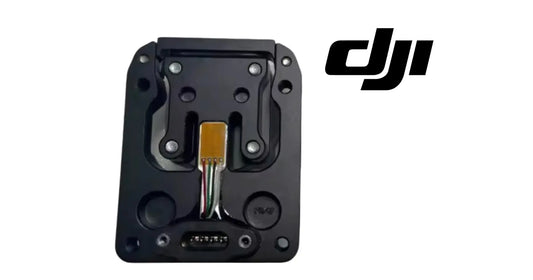
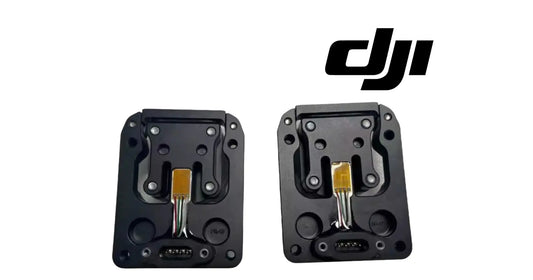
20. Weight Sensing Service Kit
Use esta ruta cuando el diagnosis realmente apunte al sensing assembly; no como first response a cualquier calibration issue.
21. Front y Rear Weight Sensor Modules
El T100 tiene rutas separadas para front y rear weight sensor modules. Identifique position antes de replacement.
22. Weight Sensor Signal Cable
Una sensor reading también depende del signal path. Documente connector/cable condition si el error persiste.
23. Payload Lifting Control Module
El control module es otra branch del system. No lo confunda con los individual weight sensors.
24. Tare-calibration troubleshooting tree
- measured weight ≠0 while hovering unloaded;
- land aircraft;
- place on level ground;
- remove cargo;
- ensure sling is free;
- run Tare Calibration;
- verify zero;
- if still abnormal, record warning/reading and diagnose sensing path.
25. Calibration log recommended
- aircraft ID;
- date;
- firmware version;
- measured weight before calibration;
- aircraft unloaded confirmed;
- level ground confirmed;
- sling free confirmed;
- measured weight after calibration;
- warning/HMS if any.
26. After installation, calibration belongs in commissioning
Even when no abnormal zero reading is present, document the initial lift-system reading and behavior. This creates a baseline for future troubleshooting.
27. Error common: calibrating with cargo attached
That defeats the tare reference.
28. Error common: sling resting on an object
External pressure invalidates the unloaded reference.
29. Error common: assuming installation problem from one bad reading
First confirm calibration conditions, then diagnose specific sensing hardware if necessary.
30. Error common: skipping hose cleanup before conversion
The manual places residual-liquid cleaning before spraying-system removal.
31. Questions
When do I calibrate?
When the aircraft is hovering without cargo but measured weight is not 0.
Where should the aircraft be?
On level ground, unloaded.
What about the sling?
It must not be pressed by another object.
What menu?
Lift-system settings in Operation View → Tare Calibration → Calibration.
What result?
Measured weight resets to zero.
Source and revision
Primary source: DJI T70P / T100 Lift System User Manual v1.0 (2025.07), sections 2.1–2.2.