
DJI T100/T70P Lift System: Manual Completo — Preflight, Sling, Calibración y Operación
DJI T100/T70P Lift System: Manual Completo — Preflight, Sling, Calibración, Planificación y Operación
Esta guía reorganiza el DJI T70P / T100 Lift System User Manual v1.0 (2025.07) como un manual operativo completo. El documento del fabricante es breve pero muy procedural, por lo que el workflow correcto es: entorno seguro → preflight y rigging → instalación y tare calibration → task-point planning → loading/unloading → swing control y battery management.
Resumen: antes de levantar carga, opere dentro de los límites ambientales de DJI, revise aircraft y payload system, use la recomendación de payload de DJI Agras y verifique sling/hook. Instale siguiendo el guidance oficial de DJI y haga tare calibration si el unloaded measured weight no vuelve a zero. Planifique points en Agras Lift, cree rutas manuales alrededor de obstacles y ejecute el cargo-handling sequence con ground contact, reducción de sling tension y crew separation.

1. El manual se entiende mejor como una secuencia
No trate cada warning o specification de forma aislada. DJI estructura la operación alrededor de etapas dependientes: si el environment no es adecuado, el rigging perfecto no hace segura la mission; si el rigging está mal, task planning no compensa el riesgo; si el weight sensor no está correctamente tare-calibrated, la lectura de carga pierde valor.
2. Environment: 0–40°C
DJI publica una operating temperature de 0°C a 40°C para el lift workflow.
3. Wind: no más de 6 m/s
El manual indica no volar con wind speed por encima de 6 m/s.
4. Strong GNSS y open areas
Use el aircraft en open areas y con strong GNSS. Evite interiors, under bridges y condiciones donde positioning se degrade severamente.
5. Electromagnetic activity
Incluya mobile-phone base stations y radio towers en el site survey cuando representen strong electromagnetic activity.
6. Maximum altitude: 4.5 km sobre sea level
El source indica no operar por encima de 4.5 km sobre sea level.
7. High altitude reduce performance
Payload capability disminuye conforme sube la altitude. A partir de aproximadamente 2 km, battery y aircraft performance pueden verse reducidos.
8. Low temperature cambia la preparación
En low-temperature environments, DJI indica usar una fully charged flight battery y reducir payload.

9. Preflight: power y component condition
Todos los devices deben estar adecuadamente cargados. Revise motors, propellers, vision system, radar, antennas, LiDAR, arm locks, payload system, cables y aircraft-status warnings.
10. Use genuine components
DJI incluye genuine components en el preflight. Para rigging y payload hardware, evite replacements no verificados.
11. Task area debe estar libre de debris
Retire plastic bags, fertilizer bags y loose film que puedan entrar en propulsion o enredarse con el sling.
12. Ground crew y PPE
DJI indica helmet para operators y una separation mínima de 6 m entre ground crew y aircraft durante lift operations. Crowds y animals deben mantenerse a más de 10 m.
13. Payload no es un número fijo en esta section
DJI Agras recomienda el payload weight limit según current aircraft status y surroundings. No exceda esa recommendation ni reutilice ciegamente un valor de otra mission.
14. Sling length
El sling debe tener 10–15 m.
15. Sling diameter
El minimum diameter es ≥8 mm.
16. Sling material
DJI identifica UHMWPE o aramid fiber; high-strength polyester puede utilizarse como inner core.
17. Hook strength
El hook debe soportar pulling force de ≥500 kg. Ese valor no es el payload permitido del aircraft.
18. Replace visibly damaged sling
Visible wear, crack o damage requiere replacement antes de continuar.

19. Installation guidance es model-specific
DJI remite a tutorial paths oficiales separados para T70 y T100. Esta source no reproduce todo el mechanical install procedure.
20. Remove the flight battery before installation
Battery removal es un installation-safety step.
21. Clean residual liquid first
Antes de retirar spraying system, limpie residual liquid de la hose.
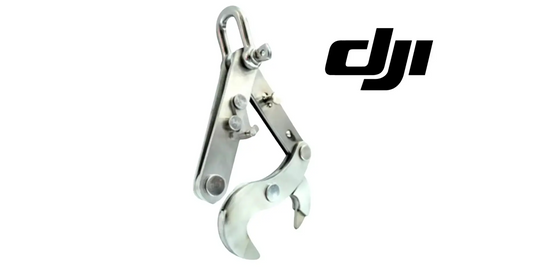
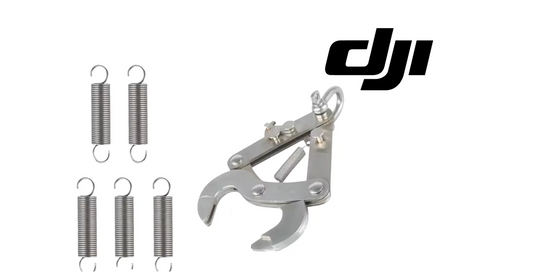
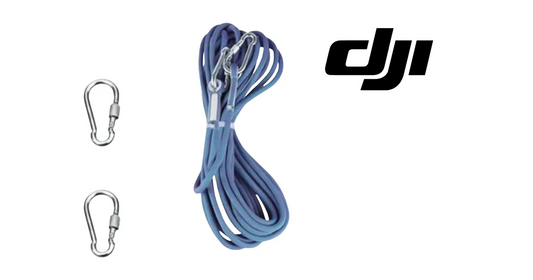
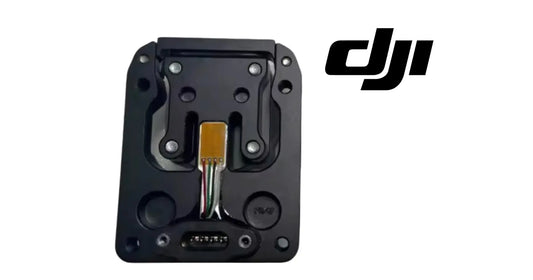
22. T70 spray lance
DJI recomienda retirar la spray lance en T70 cuando corresponda para reducir sling entanglement.
23. Tare calibration: cuándo
Si el aircraft está hovering sin cargo y measured weight no es 0, haga tare calibration.
24. Tare calibration: condiciones
- aircraft sobre level ground;
- sin cargo;
- sling libre y sin presión externa;
- Operation View abierto;
- Lift Settings → Tare Calibration → Calibration.
25. El resultado debe ser zero
Confirme que measured weight regrese a zero. Si no lo hace, no asuma automáticamente que todo el lift system está defective; el sensing path tiene components separados.

26. Entre en Agras Lift mode
Desde Operation View, seleccione Agras Lift.
27. Task points pueden añadirse de varias formas
DJI admite Crosshair, Add Point with RC, Add Point with Aircraft y phone points mediante DJI SmartFarm.
28. Phone-added points y RTK
Para points añadidos con mobile phone, DJI recomienda RTK dongle para mejorar accuracy.
29. Mark loading y unloading points
Use Task Settings para asignar el role de cada point.
30. Use Go para destination
El aircraft puede volar directamente al selected point.
31. No automatic obstacle bypass
Esta es una limitation crítica: durante lift operations el aircraft cannot automatically bypass obstacles.
32. Add intermediate routing points
Si un obstacle bloquea el direct path, agregue un nearby destination point que cree un route seguro alrededor de la hazard.

33. Cargo-handling sequence
Al llegar al destination, tilt FPV camera downward y use AR projection para revisar el area.
34. Touch cargo to ground
Baje el aircraft hasta que sling/cargo toque el ground.
35. Descend another 3–4 m
DJI recomienda un additional descent de 3–4 m para reducir sling tension.
36. Move about 6 m away
Mueva el aircraft aproximadamente 6 m hacia una direction sin people y hover.
37. Crew enters only after separation
Ground crew carga o descarga solo después de que el aircraft se aleje.
38. The distances are recommendations
DJI aclara que 3–4 m y 6 m deben ajustarse según actual sling length y surroundings.

39. Auto Balance Control
DJI Agras puede habilitar Auto Balance Control y permitir control-angle adjustment.
40. Manual Balance Control
Si Auto Balance no está enabled y swing angle becomes too large, use Balance Control en Operation View.
41. Balance correction puede crear movement
Observe surroundings durante correction para no crear collision risk.
42. Abnormal aircraft/cargo state
DJI indica promptly land or return cuando aircraft o cargo presenta abnormality.
43. Battery overheating
Si DJI Agras reporta battery overheating durante continuous operations, land promptly para evitar battery damage.

44. Full operating checklist
- environment inside limits;
- preflight complete;
- payload recommendation reviewed;
- sling/hook inspected;
- weight reading verified;
- task points reviewed;
- obstacle routing planned manually;
- crew briefed;
- cargo grounded before crew entry;
- aircraft moved away;
- cargo secured/untangled;
- battery temperature monitored.
45. Full diagnostic split
Divida problemas por branch: environment/GNSS, rigging, weight sensing, task planning, cargo swing, battery temperature o hardware damage. Evite reemplazar el complete lift system por un symptom aislado.
46. T100 service components
Verified Ares Acres paths incluyen Lifting Hook, Lifting Rope, Damper Hook, Weight Sensing Service Kit y Payload Lifting Control Module.
47. T70P service path
Use el T70P OEM Lifting System y T70 Parts collection sin extrapolar T100 material numbers cuando no existe exact match.
48. No standalone specification article from this PDF
El Appendix de esta source remite a current T70/T100 specification pages en lugar de publicar una numerical specification table. Por eso esta guía no inventa un extra “specifications” section.
49. Preguntas frecuentes
¿Wind limit?
6 m/s.
¿Sling?
10–15 m, ≥8 mm, UHMWPE/aramid.
¿Hook?
≥500 kg pulling force.
¿Obstacle bypass automático?
No en lift operations.
¿Descenso después de ground contact?
3–4 m recomendado.
¿Movimiento antes de crew?
~6 m recomendado, ajustado por sling/environment.
Fuente y revisión
Fuente principal: DJI T70P / T100 Lift System User Manual v1.0, dated 2025.07.
Convierta el manual en un service path verificable
Ares Acres mantiene complete lift systems y T100 service components para rigging, sensing y control.