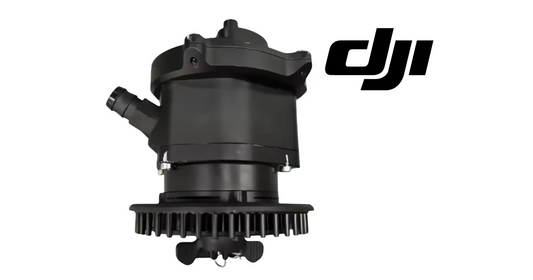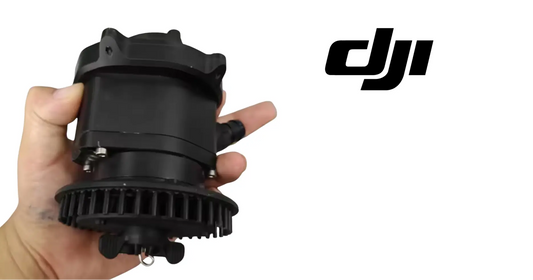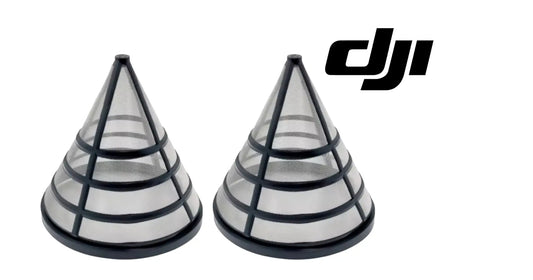

DJI T100/T70 Mist Nozzle Installation Requirements: Authorized Dealer, Flow Calibration & Ingress Protection (Canada)
🇨🇦 CANADA — DJI T100/T70 Mist Nozzle Installation Requirements: Authorized Dealer, Flow Calibration & Ingress Protection for Canadian Operators
🇺🇸 Reading from the United States? See the U.S. edition: DJI T100/T70 Mist Nozzle Installation Requirements: Authorized Dealer, Flow Calibration & Ingress Protection
This Canadian edition is written for Canadian DJI Agras operators in the orchards and vineyards of the Okanagan, Niagara and Quebec’s fruit belt. It covers the manufacturer installation requirements for the mist-nozzle package: authorized-dealer installation, secure mounting, flow calibration and ingress protection. The procedure, specifications and warnings below are identical to the original edition linked above — the hardware does not change at the border. What changes for a Canadian operator is the regulatory and purchasing context: the DJI Agras T100 or T70 falls into Transport Canada’s medium RPAS class (25–150 kg) and flies within visual line of sight on an Advanced Operations pilot certificate under the November 2025 rules, with a Special Flight Operations Certificate for anything outside that envelope; spraying follows provincial applicator licensing and Health Canada PMRA aerial label directions, and pricing is shown in Canadian dollars. Ares Acres stocks T100 and T70 mist-nozzle kits, lances and solenoid valves referenced in this guide as genuine DJI Agras OEM parts, ships them to Canada with free standard shipping, and shows CAD pricing at checkout.
DJI's Product Information v1.0 gives a short but unusually important installation rule set for the T100/T70 Series Mist Nozzle Package. It does not authorize a normal user to perform the installation independently. The source instead defines what must happen after authorized installation before the aircraft returns to operation.
Quick Answer: DJI says the mist-nozzle package can only be installed by an officially authorized dealer. After installation, confirm every component is mounted correctly and firmly, complete flow calibration in the DJI Agras app, clean the vision-system cameras before and after spraying, and clean liquid residue from the landing gear.


1. Installation must be completed by an officially authorized dealer
DJI's wording is explicit: installation of the product can only be completed by an officially authorized dealer, and users should not perform it themselves. This article therefore does not convert the package drawing into a DIY mechanical procedure.
The source provides official tutorial-video paths for installation and connection: T100 official tutorial and T70 official tutorial. Those references supplement the authorized-dealer requirement rather than replacing it.
2. Verify that every component is mounted correctly and firmly
After installation, inspect the completed assembly and confirm that every component is secure. DJI states that incorrect or loose mounting can affect the aircraft's ingress-protection performance.
3. Run flow calibration in DJI Agras
Flow calibration is required after installation. This is the key software handoff from hardware installation to operating readiness. Complete the calibration in DJI Agras before treating the added sprinklers as ready for field use.
4. Account for the vision system
DJI warns that spray droplets from the additional sprinklers can affect vision-system performance. The operator must clean the vision-system cameras before and after spraying and fly with caution.
5. Clean landing-gear residue
Additional sprinklers can leave liquid residue on the landing gear. DJI instructs operators to clean that residue to reduce the risk of pesticide damage.
T100 service paths after an installation issue
For the T100, relevant verified service paths include the OEM Solenoid Valve, OEM Sprinkler Adapter Cable, Spray Nozzle Hardware Service Kit, and Mist Spray Boom Housing Kit. These should be used only after the affected component has actually been identified.
Related Tutorials
- Existing T100 Mist Spray Set Tutorial — use as a visual reference alongside DJI's authorized-installation requirement.
- T100 Spraying System Maintenance
- T100 Aircraft Systems: Vision, Radar, LiDAR & RTK
Shop Related Collections
🇺🇸 Reading from the United States? See the U.S. edition: DJI T100/T70 Mist Nozzle Installation Requirements: Authorized Dealer, Flow Calibration & Ingress Protection
Canadian Operator FAQ: T100/T70 Mist Nozzle Installation Requirements
Does Ares Acres ship T100 and T70 mist-nozzle kits, lances and solenoid valves to Canada?
Yes. Ares Acres ships genuine DJI Agras OEM parts, including T100 and T70 mist-nozzle kits, lances and solenoid valves referenced in this guide, to Canada with free standard shipping, and Canadian customers see CAD pricing at checkout.
Do I need an SFOC to fly the DJI Agras T100 or T70 in Canada?
Not for every operation. Under Transport Canada’s November 2025 rules, the DJI Agras T100 or T70 falls into the medium RPAS class (25–150 kg) and can be flown within visual line of sight on an Advanced Operations pilot certificate; a Special Flight Operations Certificate is still required for operations outside that envelope, such as beyond visual line of sight or payloads Transport Canada treats as dangerous goods. Confirm current requirements with Transport Canada and your provincial regulator before operating.
Is this mist-nozzle installation different for Canadian operators?
No. The mist-nozzle installation described here is identical in every country; only the regulatory framework, the purchasing path and the units used in this guide differ. Confirm current requirements with Transport Canada and your provincial regulator before operating.
Source and revision note
Primary source: DJI T100/T70 Series Mist Nozzle Package Product Information v1.0 (2025), English Warnings section.