
DJI T100/T70P Lift Flight Environment & Preflight Checklist: Wind, GNSS, Altitude & Payload (Canada)
🇨🇦 CANADA — DJI T100/T70P Lift Flight Environment & Preflight: Wind, GNSS, Altitude & Payload Checks for Canadian Lift Jobs
🇺🇸 Reading from the United States? See the U.S. edition: DJI T100/T70P Lift Flight Environment & Preflight Checklist: Wind, GNSS, Altitude & Payload
This Canadian edition is written for Canadian DJI Agras operators across Canada, from the Prairie grain belt of Saskatchewan, Alberta and Manitoba to the row crops of Ontario and Quebec and the orchards and vineyards of British Columbia and Niagara. It is the lift-operations preflight: weather, wind, GNSS, altitude, crew clearances and component checks. The procedure, specifications and warnings below are identical to the original edition linked above — the hardware does not change at the border. What changes for a Canadian operator is the regulatory and purchasing context: the DJI Agras T100 or T70P falls into Transport Canada’s medium RPAS class (25–150 kg) and flies within visual line of sight on an Advanced Operations pilot certificate under the November 2025 rules, with a Special Flight Operations Certificate for anything outside that envelope; spraying follows provincial applicator licensing and Health Canada PMRA aerial label directions, and pricing is shown in Canadian dollars. Ares Acres stocks T100 and T70P lift-system components and accessories referenced in this guide as genuine DJI Agras OEM parts, ships them to Canada with free standard shipping, and shows CAD pricing at checkout.
The T70P / T100 Lift System User Manual v1.0 begins with operating boundaries before it discusses installation or cargo handling. That ordering matters: lift performance depends on the environment, aircraft condition, payload system and crew setup before a sling ever leaves the ground.
Quick Answer: Operate the lift system only in open areas with strong GNSS and moderate weather. DJI lists 0-40°C as the operating temperature range, says not to fly in winds exceeding 6 m/s, and says not to fly above 4.5 km above sea level. Maintain more than 10 m from crowds and animals, and during lift operations keep ground crew at least 6 m from the aircraft. Use the payload limit recommended by DJI Agras for the current aircraft state and surroundings.

Weather limits for lift operations
DJI says to fly only in moderate weather with temperatures between 0°C and 40°C (32°F to 104°F). Do not use the aircraft in severe weather, including wind speeds above 6 m/s, heavy rain above 25 mm in 12 hours, snow, ice, fog or lightning.
Open-area and GNSS requirements
Only fly in open areas and only operate with a strong GNSS signal. DJI specifically warns against environments such as indoors or under bridges where GNSS can be severely affected, and it also says to avoid areas with high electromagnetic activity such as mobile-phone base stations and radio transmission towers.
Distance from people, animals, roads and obstacles
During takeoff, landing and flight, keep away from roads, water surfaces, utility poles, high-voltage lines, trees and similar obstacles. The manual requires a safe distance of more than 10 m from crowds and animals.
Altitude changes payload capability
Do not fly more than 4.5 km (14,763 ft) above sea level. DJI also warns that payload capability decreases as altitude rises. At 2 km (6,560 ft) or more above sea level, battery and aircraft performance may be reduced. In low-temperature conditions, DJI says to make sure the flight battery is fully charged and reduce payload.

Core preflight checks
- All devices fully charged.
- Use genuine components.
- Motors, propellers, vision system, radar and antennas in good condition and unobstructed.
- LiDAR surface clean and free of foreign matter.
- Aircraft battery, payload system, arm locks and cables mounted/connected securely.
- Remote controller, compass, propulsion, radar and payload system functioning normally.
- Compass calibrated when prompted by the app.
- DJI Agras functioning properly and aircraft-status warnings checked before flight.
- Task area cleared of debris such as plastic bags, fertilizer bags and loose plastic film.
Payload limit comes from DJI Agras
The manual does not give one fixed universal lift payload number in this section. Instead, DJI Agras intelligently recommends the payload weight limit based on the current aircraft status and surroundings. Do not exceed that recommendation.
Crew PPE and clearance
DJI says operators should wear a helmet during the operation. Maintain more than 6 m from the aircraft and keep other personnel, vehicles and obstacles clear around it.
Exact lift-system equipment paths
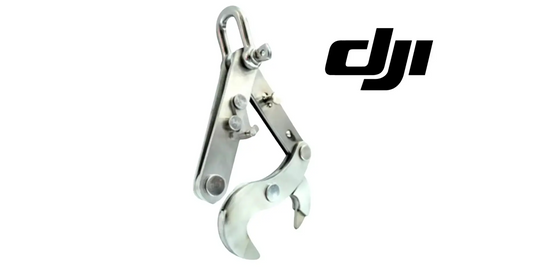
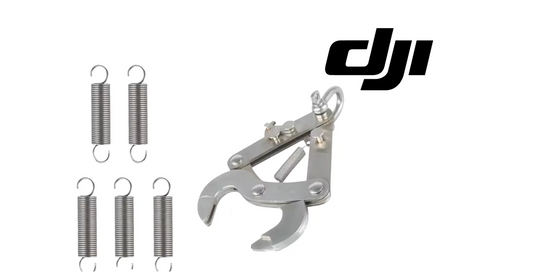
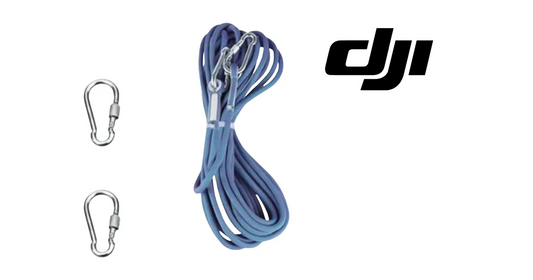
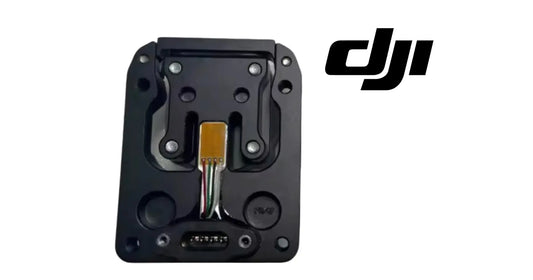
For T100 hardware, use the DJI Agras T100 OEM Payload Lifting System Kit. For T70P, the verified complete system is the DJI Agras T70P OEM Lifting System.
Parts & Equipment Referenced in This Guide
Every part listed above is stocked by Ares Acres as a genuine DJI Agras OEM component, ships to Canada with free standard shipping, and shows CAD pricing at checkout for Canadian customers.
Shop Related Collections
Related Tutorials
- Lift Sling & Hook Requirements
- Existing T100 Lifting Safety Regulations Guide
- Existing T100 Lift System & Transportation Tutorial
🇺🇸 Reading from the United States? See the U.S. edition: DJI T100/T70P Lift Flight Environment & Preflight Checklist: Wind, GNSS, Altitude & Payload
Canadian Operator FAQ: T100/T70P Lift Flight Environment & Preflight Checklist
Does Ares Acres ship T100 and T70P lift-system components and accessories to Canada?
Yes. Ares Acres ships genuine DJI Agras OEM parts, including T100 and T70P lift-system components and accessories referenced in this guide, to Canada with free standard shipping, and Canadian customers see CAD pricing at checkout.
Do I need an SFOC to fly the DJI Agras T100 or T70P in Canada?
Not for every operation. Under Transport Canada’s November 2025 rules, the DJI Agras T100 or T70P falls into the medium RPAS class (25–150 kg) and can be flown within visual line of sight on an Advanced Operations pilot certificate; a Special Flight Operations Certificate is still required for operations outside that envelope, such as beyond visual line of sight or payloads Transport Canada treats as dangerous goods. Confirm current requirements with Transport Canada and your provincial regulator before operating.
Is this lift preflight different for Canadian operators?
No. The lift preflight described here is identical in every country; only the regulatory framework, the purchasing path and the units used in this guide differ. Confirm current requirements with Transport Canada and your provincial regulator before operating.
Source and revision note
Primary source: DJI T70P / T100 Lift System User Manual v1.0 (2025.07), sections 1.1-1.2.