
DJI D-RTK 3 AG User Manual: Setup, Activation, Indicators, Positioning & Maintenance (Canada)
🇨🇦 CANADA — DJI D-RTK 3 AG User Manual Hub: Setup, Activation, Indicators, Positioning & Maintenance for Canadian Operators
🇺🇸 Reading from the United States? See the U.S. edition: DJI D-RTK 3 AG User Manual: Setup, Activation, Indicators, Positioning & Maintenance
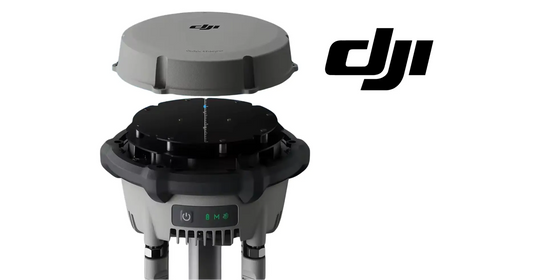
This Canadian edition is written for Canadian DJI Agras operators across Canada, from the Prairie grain belt of Saskatchewan, Alberta and Manitoba to the row crops of Ontario and Quebec and the orchards and vineyards of British Columbia and Niagara. It is the hub for the whole D-RTK 3 AG manual: setup, activation, site selection, indicators, positioning, firmware, storage and antenna service. The procedure, specifications and warnings below are identical to the original edition linked above — the hardware does not change at the border. What changes for a Canadian operator is the regulatory and purchasing context: the aircraft this DJI D-RTK 3 AG base station supports falls into Transport Canada’s medium RPAS class (25–150 kg) and flies on an Advanced Operations pilot certificate under the November 2025 rules, with a Special Flight Operations Certificate for anything outside that envelope, and pricing is shown in Canadian dollars. Ares Acres stocks the D-RTK 3 AG base station and its accessories referenced in this guide as genuine DJI Agras OEM parts, ships them to Canada with free standard shipping, and shows CAD pricing at checkout.
This D-RTK 3 AG manual hub reorganizes DJI User Manual v1.0 (2025.07) into focused visual tutorials. The source is only 15 pages, so the build stays topic-driven: first use, physical field setup, status interpretation, positioning, firmware/logs, storage and the one explicit part-replacement procedure.
Quick Answer: Charge and activate the station before first use, choose an open interference-controlled site, mount and level it on the Survey Pole and Tripod kit, then choose the appropriate positioning mode. Use the indicator guide for battery/GNSS status, DJI Assistant 2 for firmware and log export, and the storage guide for long-term battery care.

D-RTK 3 AG visual manual index
- Setup: Components, First Charge & Activation
- Site Selection & Tripod Setup
- Indicator Troubleshooting: Power, GNSS, Firmware, Linking & Reset
- Existing Positioning Tutorial: Setup, Linking, PPP, Network RTK & Custom Coordinates
- Firmware Update & Log Export with DJI Assistant 2
- Storage & Battery Care
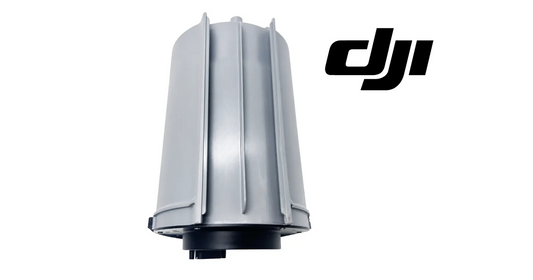
- Antenna Replacement: 13 mm Tool & 15 kgf·cm Torque


Positioning modes

The manual says PPP is suitable where Network RTK is unavailable, Network RTK or Custom Network RTK is suitable where network service exists, and Custom Coordinates is used at a location with saved or known coordinates. If the station is restarted or moved during ionospheric activity, the manual instructs operators to return it to the same location and use the saved coordinates in Custom Coordinates mode.
Indicators and maintenance


Exact product and collection paths
The direct hardware path is the DJI Agras T100 D-RTK 3 High-Precision GNSS Mobile Station. For T100 deployments, activation and configuration use the DJI Agras T100 OEM Remote Controller. Broader navigation hardware is organized under the DJI Agras T100 Radar, RTK & Sensor Parts collection.
The manual's Appendix does not publish numerical specifications; it directs users to DJI's current specifications page. For that reason, this manual cluster intentionally does not invent a standalone specifications article from unsupported numbers.
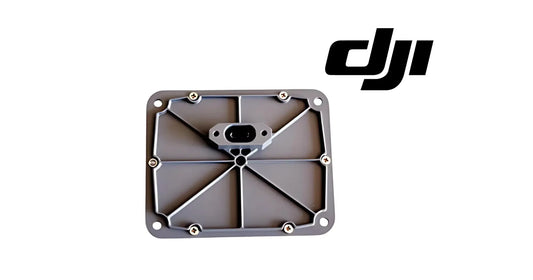
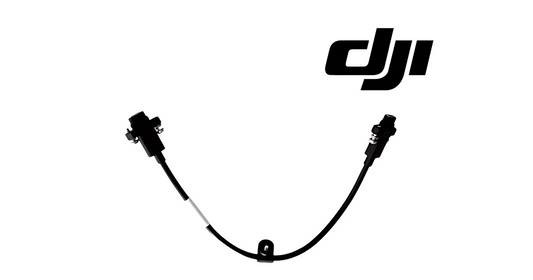
Parts & Equipment Referenced in This Guide
Every part listed above is stocked by Ares Acres as a genuine DJI Agras OEM component, ships to Canada with free standard shipping, and shows CAD pricing at checkout for Canadian customers.
Shop Related Collections
Related Existing Tutorials
- DJI Agras T100 D-RTK 3 Tutorial
- How to Calibrate the DJI D-RTK 3
- T100 Remote Controller & DJI Agras App Guide
🇺🇸 Reading from the United States? See the U.S. edition: DJI D-RTK 3 AG User Manual: Setup, Activation, Indicators, Positioning & Maintenance
Canadian Operator FAQ: D-RTK 3 AG User Manual
Does Ares Acres ship the D-RTK 3 AG base station and its accessories to Canada?
Yes. Ares Acres ships genuine DJI Agras OEM parts, including the D-RTK 3 AG base station and its accessories referenced in this guide, to Canada with free standard shipping, and Canadian customers see CAD pricing at checkout.
Do I need an SFOC to use the DJI D-RTK 3 AG base station with my DJI Agras in Canada?
The DJI D-RTK 3 AG base station itself needs no aviation authorization. The DJI Agras aircraft it supports falls into Transport Canada’s medium RPAS class (25–150 kg) under the November 2025 rules and is flown within visual line of sight on an Advanced Operations pilot certificate; a Special Flight Operations Certificate is still required for operations outside that envelope, such as beyond visual line of sight or payloads Transport Canada treats as dangerous goods. Confirm current requirements with Transport Canada and your provincial regulator before operating.
Is this D-RTK 3 AG manual different for Canadian operators?
No. The D-RTK 3 AG manual described here is identical in every country; only the regulatory framework, the purchasing path and the units used in this guide differ. Confirm current requirements with Transport Canada and your provincial regulator before operating.
Source and revision note
Primary source: DJI D-RTK 3 AG User Manual v1.0 (2025.07), pp. 3-14.